 Friday, July 3Friday, July 3
2 months · 20 summary articles
Iran has closed the Strait of Hormuz for the second time in three days, escalating tensions after Israel launched fresh strikes on southern Lebanon on Saturday morning that killed at least 16 people and left seven trapped under rubble. The Iranian armed forces announced the closure in a statement issued by the Khatam al-Anbiya headquarters, accusing the United States of failing to enforce a ceasefire agreement and Israel of violating the truce in southern Lebanon.
The move comes just hours after Israel conducted a wave of airstrikes in southern Lebanon, defying a U.S.-brokered memorandum of understanding signed earlier this week to end the war. The Iranian military described the closure as “the first step” in response to alleged violations, warning that further measures would follow if the aggression continued. The Revolutionary Guards Corps navy later declared the strait “closed to all vessels” and cautioned ships against approaching the area.
U.S. Central Command (CENTCOM) disputed Iran’s claim, stating that maritime traffic through the international waterway remained intact on Saturday, with 55 merchant ships transiting and carrying more than 17 million barrels of oil to global markets. “Safe passage through the international waterway remained intact today,” a senior U.S. defense official told reporters. The discrepancy underscores the fragile nature of the ceasefire and the high stakes of the unfolding crisis.
Iran’s decision to reclose the strait—one of the world’s most critical chokepoints for oil shipments—follows its initial reopening on Wednesday, which had been hailed as a sign of de-escalation. The latest closure signals a sharp deterioration in relations between Tehran and Washington, marking the first major crisis since the two sides signed the memorandum of understanding on Wednesday. Iranian officials, including Foreign Minister Abbas Araghchi and Parliament Speaker Mohammad Bagher Ghalibaf, are scheduled to arrive in Switzerland on Saturday for what were intended to be the first round of nuclear negotiations on Sunday.
The timing of Iran’s announcement, delivered shortly before Araghchi’s departure, suggests a deliberate attempt to pressure the U.S. and Israel ahead of the talks. In its statement, Iran accused Washington of “clear bad faith” and a “breach of its commitment” to implement the first clause of the ceasefire agreement. The Islamic Republic also reiterated its warning that further measures would be taken if the “Zionist regime” continued its attacks in southern Lebanon.
The escalation threatens to derail fragile diplomatic efforts and disrupt global oil markets, which remain highly sensitive to disruptions in the Strait of Hormuz. With both sides trading accusations and military posturing intensifying, the risk of a broader conflict in the region has never been higher.
Follow us for live European news
1 further source not geolocated

Vance expects Iran talks soon, as Guards say Hormuz is closed again U.S. Vice President JD Vance said on Saturday he expected to go to Switzerland soon for talks with Iran, even as Tehrans Islamic Revolutionary Guard Corps declared the Strait of Hormuz shut, alleging U.S. and Israeli truce violations. The move by the hardline IRGC appeared to raise the stakes ahead of the talks, as both […]
cyprus mail · 13 days ago
Iranul închide Strâmtoarea Ormuz și acuză SUA și Israelul că au încălcat armistițiul. Gardienii Revoluției: „Nu vă apropiați Armata iraniană a anunțat sâmbătă că va închide Strâmtoarea Ormuz ca urmare a atacurilor israeliene care continuă în Liban, Din partea SUA, vicepreședintele JD Vance s-a declarat încrezător că armistițiul va rezista și că „nu am văzut nicio dovadă că iranienii închid strâmtoarea, relatează BBC. Comandamentul militar al Iranului a acuzat încălcări „continue ale armistițiului …
hotnews.ro · 13 days ago
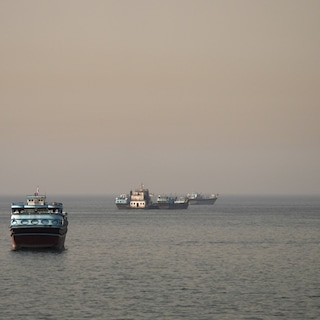
Live - Iran sluit Straat van Hormuz opnieuw wegens Israëlische aanvallen op Libanon: Vijand heeft beloftes gebroken
de morgen · 13 days ago
Irans militærledelse: Stenger Hormuzstredet etter israelske angrep Irans militærledelse sier i en uttalelse lørdag at de kommer til å stenge Hormuzstredet for all skipstrafikk, etter israelske angrep mot Libanon. Det er et brudd på det første punktet i intensjonsavtalen Iran og USA alt har signert. Delegater fra de to landene er i Sveits for å forhandle frem en endelig fredsavtale. Den amerikanske visepresidenten J.D. Vance sier i et intervju med Fox News at han tror konkrete samtaler kan skje søndag, etter at de ble utsatt fredag. Han sier samtidig at det ikke finnes bevis for at Iran faktisk stenger stredet. Han regner også med å dra til Sveits i løpet av de neste dagene.
nrk · 13 days ago
Iran: Hormuzsundet stängt Irans besked efter Israels attacker
expressen · 13 days ago
Iran: Hormuzsundet stängt Attackerna mellan Israel och Libanon har fortsatt – bara timmar efter att vapenvilan trädde i kraft. Nu meddelar Iran att Hormuzsundet förblir stängt. Men USA:s vicepresident tror inte på Iran.
expressen · 13 days ago
Iran schließt Straße von Hormuz erneut Teheran sieht in den Angriffen Israels im Südlibanon einen Verstoß gegen das Rahmenabkommen mit den USA zur Beendigung des Krieges.
die presse · 13 days ago
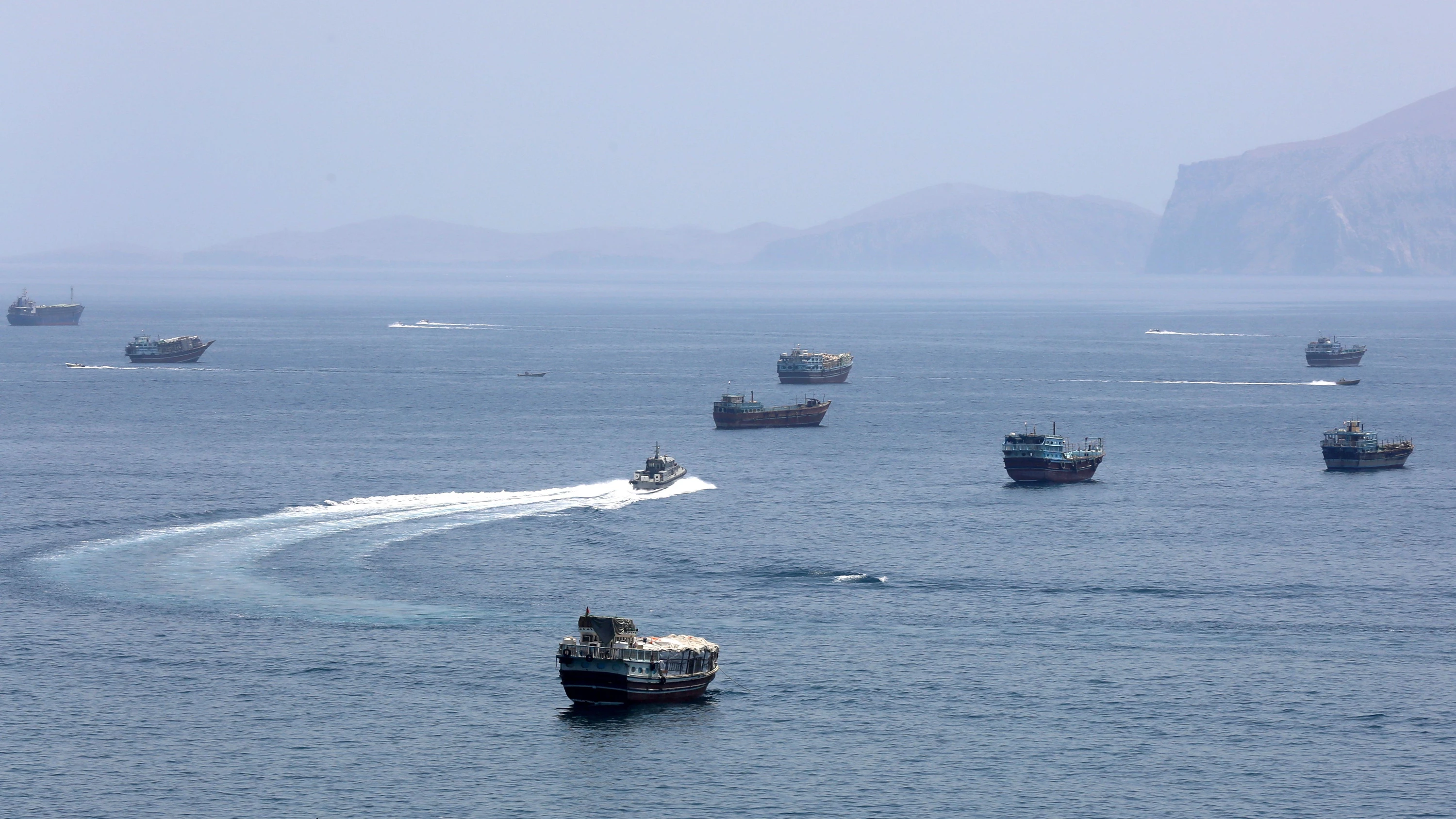
Liveblog Irankrieg: Teheran schließt die Straße von Hormus wieder Irans zentrales Militärkommando begründet dies mit den fortgesetzten Angriffen Israels im Südlibanon +++ US-Vize Vance: Keine Beweise, dass Iran die Straße von Hormus schließt +++ Libanon meldet mehrere Tote bei israelischem Luftangriff +++ alle Entwicklungen im Liveblog
faz · 13 days ago
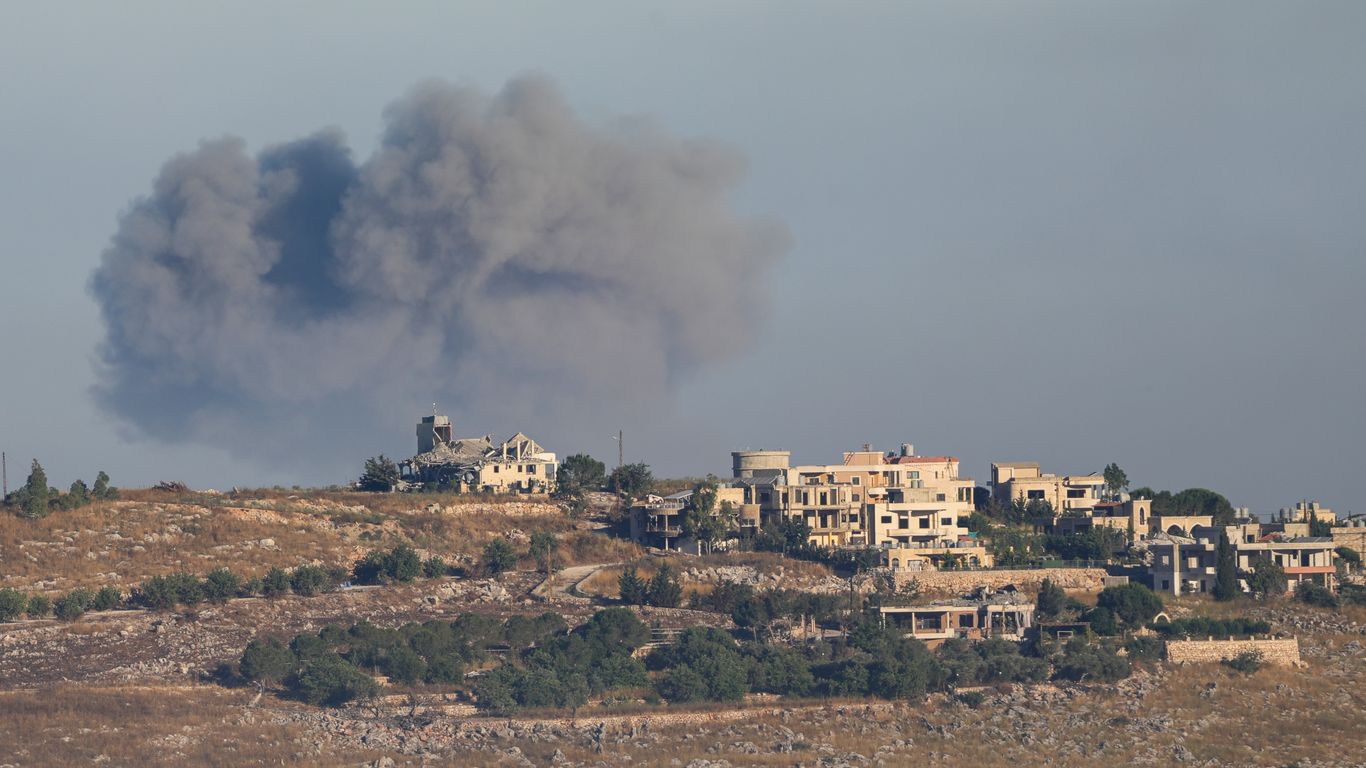
Iran says it is closing Strait of Hormuz over Israeli attacks on Lebanon The Iranian armed forces announced Saturday they will close the Strait of Hormuz — just three days after it reopened — alleging Americas failure to rein in Israeli attacks on Lebanon violates the new ceasefire deal. Why it matters: This is the first big crisis between the U.S. and Iran since signing a memorandum of understanding to end the war earlier this week. It takes place as President Trumps envoys are already in Switzerland ahead of a potential first round of nuclear negotiations planned for Sunday. The Iranian delegation headed by speaker of parliament Mohammad Bagher Ghalibaf and foreign minister Abbas Araghchi is expected to arrive in Switzerland on Saturday.State of play: A senior U.S. defense official said the U.S. military is still not seeing any Iranian military movements on the ground that reflect a potential "closing" of the strait. "Safe passage through the international waterway remained intact today as 55 merchant ships transited, moving large amounts of cargo and more than 17 million barrels of oil to global markets," U.S. CENTCOM said Saturday.What theyre saying: Shortly before Araghchi announced he is traveling to Switzerland, the Khatam al-Anbiya central headquarters of the Iranian armed forces announced it was closing the Strait of Hormuz."In light of the United States clear bad faith and breach of its commitment to implement the first clause of the memorandum of understanding for ending the war, and in response to the continuous and ongoing violations of the ceasefire by the Zionist regime in southern Lebanon, it is hereby announced that the Strait of Hormuz will be closed to maritime traffic."The Iranian military said this is "the first step" in responding to alleged violations of the ceasefire. "Should the aggression continue, further measures have been planned and will be implemented to compel the enemy to abide by and carry out its obligations."Shortly after that, the Iranian Revolutionary Guards Corps navy said the strait "is closed to all vessels" and warned ships not to approach.
axios · 13 days ago
Iran recloses Strait of Hormuz, citing Israeli strikes on Lebanon It comes after Israel carried out a wave of fresh strikes on southern Lebanon on Saturday morning.
euronews · 13 days ago
Iran officially announced the closure of the Strait of Hormuz. Tasnim, citing the IRGC, blames the US for breaking promises tied to a war-ending memorandum, plus Israels attacks on Lebanon. Iran calls it the "first step," warning of more if the aggression continues.
telegram bot · 13 days ago
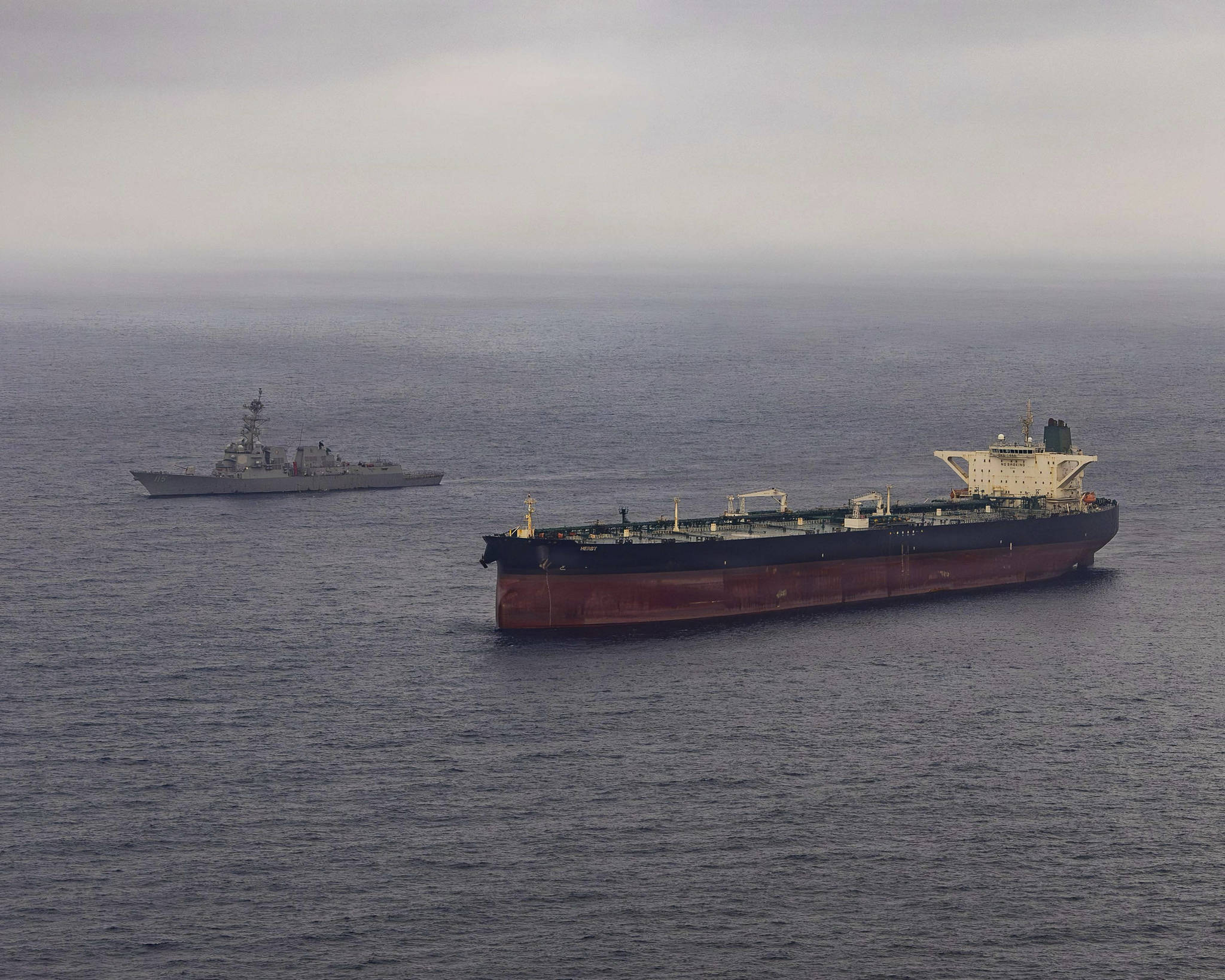
Irán anuncia el cierre de Ormuz por los ataques de Israel en el sur del Líbano Las Fuerzas Armadas iraníes anunciaron este sábado el cierre del estrecho de Ormuz al tránsito marítimo en respuesta a los ataques israelíes en el sur del Líbano y responsabilizaron a Estados Unidos de incumplir el memorando de entendimiento que puso fin a la guerra, según informó la agencia IRNA. Leer
expansion · 13 days ago
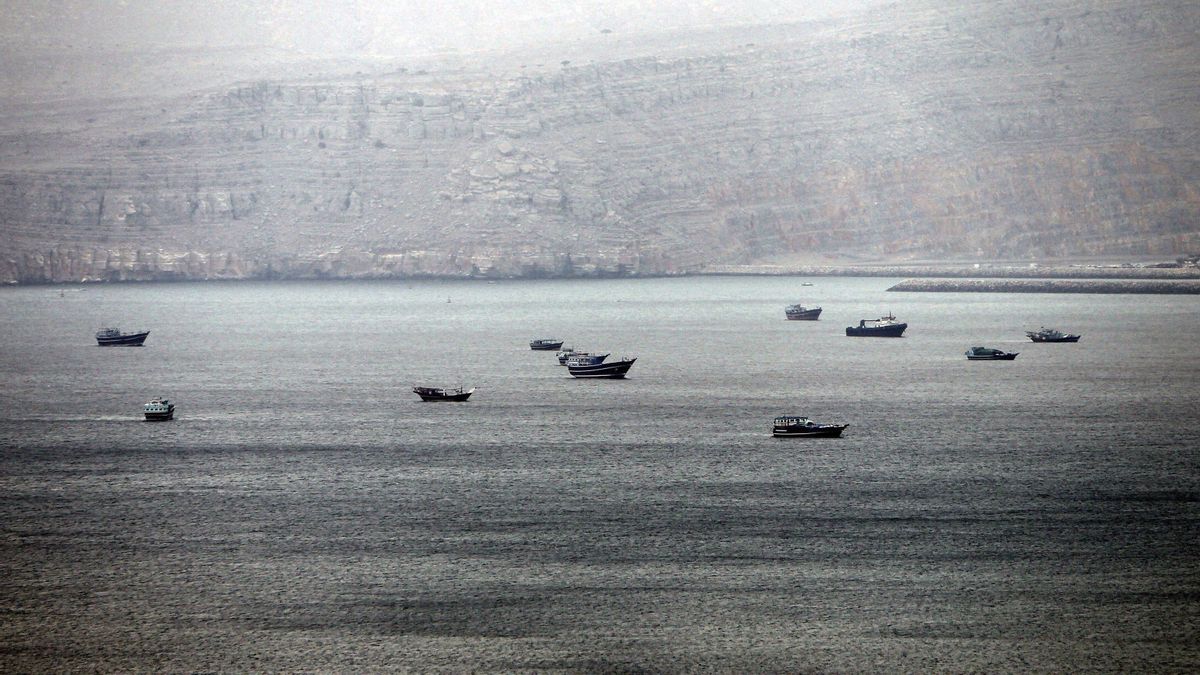
Irán anuncia el cierre del estrecho de Ormuz por los últimos ataques de Israel en el Líbano que dejan un centenar de muertos El ministro de Exteriores iraní ha viajado este sábado a Suiza para reclamar a EEUU el cumplimiento del principio de acuerdo que, según Teherán, ha sido vulnerado por los ataques israelíes contra HizbuláIsrael y Hizbulá pactan un alto el fuego en Líbano que ya ha entrado en vigor, según EEUU El Ejército de Irán ha anunciado un nuevo cierre del estrecho de Ormuz tras denunciar a Estados Unidos por flagrante incumplimiento de los términos del acuerdo preliminar de paz pactado esta semana al haber sido incapaces de impedir la continuación de la ofensiva israelí en Líbano. En un comunicado recogido por la radiotelevisión oficial iraní, IRIB, el Ejército denuncia que Estados Unidos no ha cumplido con el primer y fundamental punto de los 14 que componen el memorándum de entendimiento: garantizar el cese de las operaciones israelíes en Líbano, donde los bombardeos israelíes (según el Ejército israelí en respuesta a ataques de Hezbolá) han matado a más medio centenar de personas entre viernes y sábado. Así pues, en respuesta a la implacable y continua violación del alto el fuego por parte del régimen sionista en el sur del Líbano, así como al brutal asesinato y desplazamiento de cientos de miles de personas oprimidas de esta tierra y tras la negativa de las fuerzas de ocupación sionistas a retirarse de los territorios del sur del Líbano (tal y como aseguró el viernes el ministro de defensa israelí, Israel Katz) se anuncia por la presente que el estrecho de Ormuz quedará cerrado al tráfico marítimo. Minutos antes del anuncio del cierre, el grupo chií Hizbulá y el Ejército israelí confirmaron su adhesión al alto el fuego suscrito el viernes con la mediación de EEUU, pese a que ya el cese de las hostilidades en el frente libanés se recoge en el memorando de entendimiento firmado digitalmente el miércoles entre Washington y Teherán. De hecho, el ministro de Exteriores de irán, Abás Araqchí, ha viajado este sábado hacia Suiza para reclamar a EEUU el cumplimiento del principio de acuerdo que, según Teherán, ha sido vulnerado por los ataques de Israel contra el Líbano. En Suiza está previsto mantener conversaciones para exigir el cumplimiento de los compromisos de la otra parte y aclarar cómo pretende cumplir con sus obligaciones, ha declarado el portavoz del Ministerio iraní de Exteriores, Ismail Bagaei, a la televisión estatal. Escalada de violencia A pesar de esa tregua, desde anoche, Israel ha lanzado numerosos ataques contra el sur y este del Líbano, que ya han provocado, según la Defensa Civil libanesa, al menos 16 fallecidos, entre ellos un militar libanés. El ejército israelí declaró que estaba atacando objetivos de Hezbolá en respuesta a los lanzamientos de proyectiles nocturnos de la organización militante libanesa alineada con Irán. Uno de los ataques israelíes más mortíferos del sábado impactó un edificio residencial de tres pisos en la ciudad sureña de Barish, en el distrito de Tiro, causando la muerte de un padre, una madre y sus dos hijos, según informó a Reuters un funcionario local. La violencia escaló de forma intensa el viernes, que fue una de las jornadas más sangrientas en semanas con la muerte de al menos 83 personas por los ataques israelíes, entre ellos tres niños, y 141 heridos en el sur del país y el valle de la Bekaa, ha reportado este sábado el Ministerio de Salud Pública libanés. El recrudecimiento de la ofensiva se produce después de que cuatro soldados israelíes, incluido un oficial de alto rango, murieran al ser alcanzado un tanque por Hezbolá, que afirmó que el ataque se produjo después de que Israel rompiera el acuerdo de alto el fuego previo. El ministerio señaló que desde el pasado 2 de marzo, cuando comenzó la ofensiva israelí en el país mediterráneo, 4.057 personas han muerto y más de 12.000 han resultado heridas.
eldiario.es · 13 days ago
Iran heeft Straat van Hormuz alweer gesloten: Vijand heeft beloftes gebroken Iran meldt dat de Straat van Hormuz alweer dicht is en zegt dat schepen niet in de buurt moeten komen. De maatregel werd genomen omdat Israël Libanon heeft aangevallen. In het zuiden van het land zijn zeker zestien mensen om het leven gekomen, zo meldde het Libanese staatspersbureau NNA eerder. Na de aanvallen zouden ook nog zeven mensen onder het puin liggen.
rtl nieuws · 13 days ago
Iran sluit Straat van Hormuz na Israëlische aanvallen op Libanon Het Iraanse leger heeft aangekondigd dat de Straat van Hormuz weer dichtgaat vanwege de aanhoudende Israëlische aanvallen op Libanon. Daarbij zijn zaterdag zestien mensen omgekomen. Iran beschuldigt Israël en de VS van schendingen van het akkoord dat afgelopen week inging.
nu.nl · 13 days ago

Iran gibt erneute Schließung der Straße von Hormus bekannt Erneuter Rückschlag bei den Friedensbemühungen rund um den Iran: Teheran erklärte am Samstag überraschend, dass der Handelsweg durch die Meeresenge von Hormus wieder gesperrt ist.
welt.de · 13 days ago
Iran says Strait of Hormuz completely closed Irans Khatam al-Anbiya Central Headquarters has said it will close the Strait of Hormuz to shipping again, citing US violations of the war-ending memorandum and continued Israeli attacks in southern Lebanon.
intellinews · 13 days ago
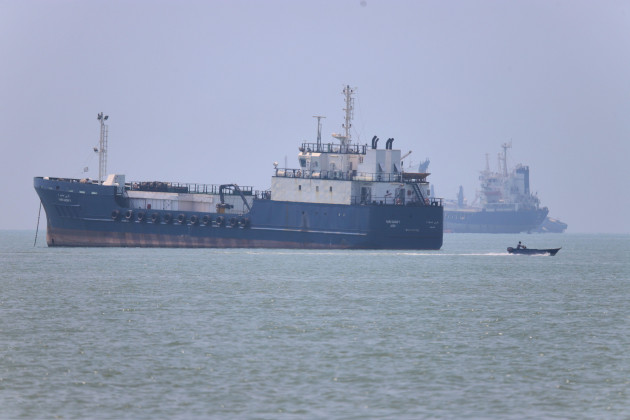
Iran announces that the Strait of Hormuz is closed again over Israels attacks on Lebanon At least seven people were killed in Israeli strikes on southern Lebanon this morning.
thejournal · 13 days ago
Russias Medvedev: Israel unhappy with Iran deal, may act further Russian Security Council Deputy Chairman Dmitry Medvedev has warned that Israel is dissatisfied with the US-Iran deal and may seek further action. He also said the agreement is easily blown apart by new strikes on Lebanon, and that the Strait of Hormuz has become a Persian nuke.
yenisafak · 13 days ago
Iran sluit Straat van Hormuz vanwege aanhoudende Israëlische aanvallen in Libanon
de volkskrant · 13 days ago
Nach Rahmenabkommen: Iran verkündet Schließung der Straße von Hormus Das Rahmenabkommen zwischen den USA und dem Iran ist noch keine Woche alt, da steht es bereits vor seinem ersten Härtetest. Auslöser sind die Kämpfe im Libanon.
handelsblatt · 13 days ago
+++ Iran-Krieg +++: Iran verkündet Schließung der Straße von Hormus Pakistan: Verhandlungen zwischen USA und Iran am Sonntag in der Schweiz +++ Pakistans Innenminister für Gespräche im Iran +++ 16 Tote bei israelischem Luftangriff im Libanon +++ Der Newsblog.
handelsblatt · 13 days ago
Iran sperrt Straße von Hormus erneut Die strategisch wichtige Straße von Hormus wird wieder für den Schiffsverkehr gesperrt. Das teilte das iranische Militärkommando am Samstag mit. Begründet wurde dieser Schritt mit den fortgesetzten Angriffen Israels im Südlibanon. Der Libanon meldete am Samstag zahlreiche Tote. Diese Angriffe bedeuteten eine Verletzung des mit den USA getroffenen Rahmenabkommens zur Beendigung des Iran-Krieges, hieß es aus dem Iran.
orf.at · 13 days ago

Iran Closes Strait of Hormuz as Fighting Flares Again in Lebanon The renewed clashes come as the U.S. and Iran set plans to meet for next round of peace talks.
wsj · 13 days ago
🔴 Live: Hormuz Strait closed over Israel attacks on Lebanon, Iran says
france24 · 13 days ago
Iran closes Strait of Hormuz despite ceasefire after continued Israeli strikes in Lebanon Iran has closed the strait of Hormuz – citing alleged violations of a ceasefire agreement by the US and Israel. Tehran said the closure was the "first step" in response to what it described as breaches of commitments regarding the continuing clashes in Lebanon - and warned that further measures would be taken if "aggression" continued. Details and analysis by FRANCE 24 international affairs editor Kethevane Gorjestani, and FRANCE 24 correspondent in Tehran, Reza Sayah.
france24 · 13 days ago
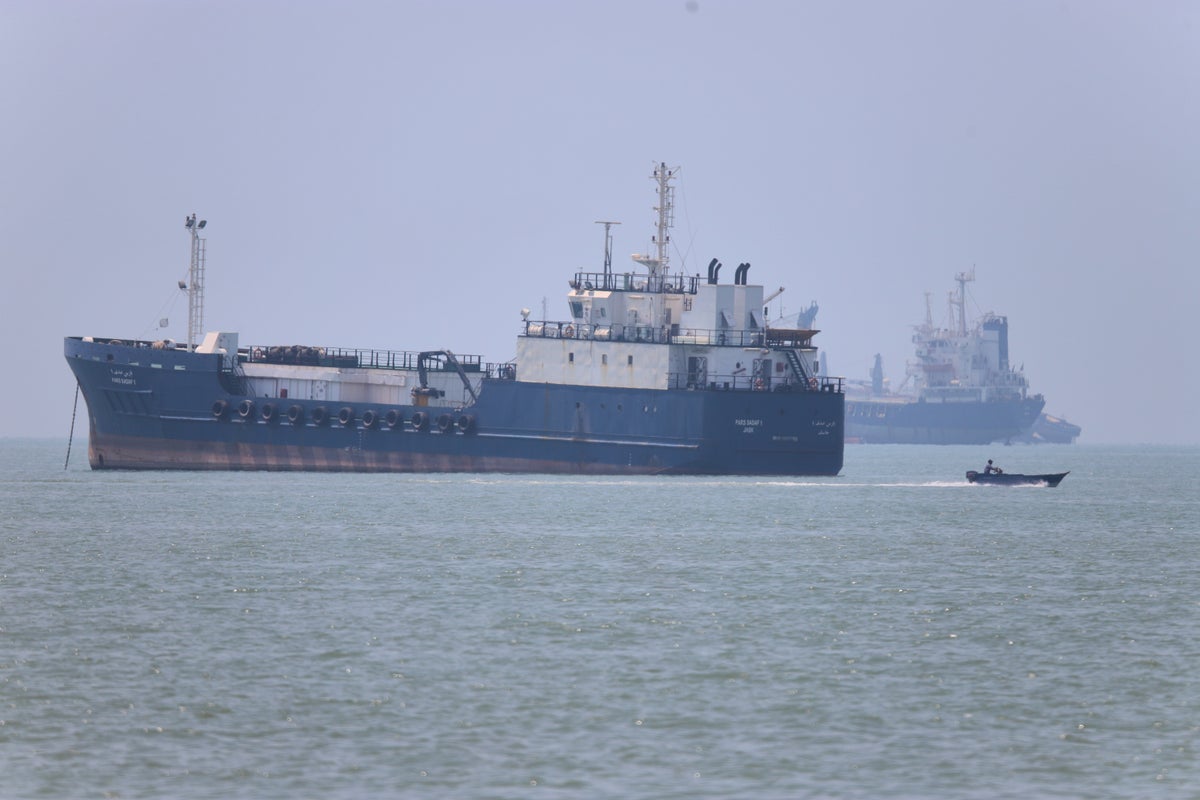
Iran-US war latest: Tehran says it is closing Strait of Hormuz days after Trump deal due to ceasefire violations Pakistans interior minister also heads to Tehran for meetings on Iran-US talks as five killed in Lebanon in Israeli strikes
independent · 13 days ago
Iran closes Strait of Hormuz over ceasefire violations Irans top joint military command, Khatam al-Anbiya Central Headquarters, said on Saturday that the Strait of Hormuz would be closed to vessel traffic, citing alleged violations of a ceasefire agreement by the US and Israel, Irans Mehr state news agency reported. It said that the closure was the first step in response to what it […]
cyprus mail · 13 days ago
Iran rejects Trump claims on draft deal as mixture of truth and falsehood Tehrans Fars News Agency said Friday that Trumps remarks mix "truth and falsehood" in an attempt to portray a manufactured victory, noting that no provision obliges Iran to reopen the Strait of Hormuz without fees and that Tehran demands the immediate release of $12 billion in frozen assets.
yenisafak · about 1 month ago
Iran downs hostile drone near strategic Qeshm island Iranian air defense units shot down a hostile drone near Qeshm Island overlooking the Strait of Hormuz, state media reported on Friday, as Yemens Houthi forces separately claimed to have destroyed an American unmanned aircraft over Marib province amid the ongoing two-month war.
yenisafak · about 1 month ago