
US strikes Iranian missile sites after drone attack on cargo vessel in Strait of Hormuz

Story Timeline
4 months · 19 summary articles
The fragile US-Iran ceasefire teetered on the brink of collapse on Friday after Iran launched a drone strike on a Singapore-flagged cargo vessel in the Strait of Hormuz, prompting President Donald Trump to brand the attack a “foolish violation” and order fresh US military strikes against Iranian missile and drone facilities.
US Central Command confirmed late Friday that American forces had struck Iranian missile and drone storage sites as well as coastal radar installations in the Hormuz area in retaliation for Thursday’s attack on the M/V Ever Lovely, which sustained damage to its upper deck but remained afloat. CENTCOM stated the drone strike violated the ceasefire and endangered freedom of navigation, adding that US forces continue to coordinate safe passage for commercial shipping through the strait while enforcing the Washington-Tehran agreement.
Iran, however, pushed back aggressively. Foreign Ministry spokesman Nasser Kanani insisted that safe passage through Hormuz cannot be guaranteed without prior coordination with Tehran, declaring that any framework must be based on the Islamabad memorandum’s Article 5. Iranian authorities also turned back three foreign tankers attempting unauthorized transit through a corridor not coordinated with Iran, asserting that such routes are illegal and pose serious security risks.
The escalation came as Washington and Gulf Cooperation Council members met in Manama on Thursday and demanded the immediate reopening of the strait, rejecting any attempts to impose tolls or assert control over the vital waterway. The US-GCC statement stressed their shared objective of preventing Iran from acquiring nuclear weapons while underscoring the need to protect maritime corridors and ensure freedom of navigation.
Meanwhile, the United Nations agency overseeing maritime evacuations suspended its operations in the strait after the attack, though ship traffic continued in both directions on Friday. Empty LNG carriers began gathering off Qatar’s Ras Laffan, signaling a gradual recovery in exports despite lingering tensions.
Trump, speaking from the White House, told reporters the Iranian drone strike was “a stupid violation of the ceasefire” and warned that further provocations would have “serious consequences.” The White House later confirmed the US military response, with CENTCOM stating the strikes were “proportionate and targeted” to degrade Iran’s ability to threaten maritime security.
Analysts warn the latest clashes risk unraveling the preliminary deal that had aimed to wind down the two-year conflict between Washington and Tehran. The fragile truce, brokered in May, now faces its sternest test as both sides dig in over control of one of the world’s most critical chokepoints.
Follow us for live European news
Articles

Drones to fly over motorways to collect traffic data Several drones will be flying over the islands motorways to collect traffic data in the period from June 29 to July 9. The drones will be deployed along selected sections of the Nicosia-Limassol motorway stretching from Alambra exit to Kornos exit, the route between Nicosia and Larnaca from Lymbia to the Rizoelia junction, as well […]
cyprus mail · 3 months ago
UAE stresses Hormuz security in rare call with Iran after war tensions UAE Foreign Minister Sheikh Abdullah bin Zayed on Friday stressed the need to protect maritime corridors and ensure freedom of navigation through the Strait of Hormuz in a call with his Iranian counterpart Abbas Araqchi. The exchange, reported by state news agency WAM, marks a rare public contact between Abu Dhabi and Tehran following tensions […]
cyprus mail · 3 months ago
Trump acuză Iranul că a încălcat armistițiul cu un atac asupra unei nave în strâmtoarea Ormuz: „O încălcare nechibzuită Președintele american Donald Trump a acuzat vineri Iranul că a lansat un atac cu dronă asupra unei nave comerciale în strâmtoarea Ormuz, pe care l-a catalogat drept o „încălcare nechibzuită a acordului de încetare a focului încheiat cu Statele Unite, notează The Guardian. Potrivit lui Trump, o dronă a avariat puntea superioară a navei, însă …
hotnews.ro · 3 months ago
GCC: Regional arrangements must safeguard Gulf security interests Gulf foreign ministers meeting with US Secretary of State Rubio in Manama emphasised that any future regional understandings must incorporate GCC security requirements and preserve their interests, based on international law, sovereignty, and non‑interference.
yenisafak · 3 months ago
Half of South Korean ships stranded in Hormuz Strait exit Thirteen of 26 South Korean-linked vessels stranded in the Strait of Hormuz have passed through following the waterways reopening, according to Yonhap News Agency. The IMO has begun evacuating around 11,000 seafarers stranded in the region.
yenisafak · 3 months ago
Development Road first phase to prioritise railway amid Gulf conflict Turkish Transport Minister Abdulkadir Uraloğlu has announced that the first phase of the Development Road project will focus on a cross‑border railway network linking Iraqs Grand Faw Port to European markets. The $17 billion corridor, backed by Qatar and the UAE, aims to provide an alternative trade route amid Middle East disruptions.
yenisafak · 3 months ago
Strâmtoarea Ormuz nu se va mai întoarce la statutul de dinainte de război. Mesajul Omanului pentru oficialii europeni Omanul a comunicat oficialilor europeni că nu există nicio posibilitate de a reveni la statu-quo-ul de dinainte de război în ceea ce priveşte Strâmtoarea Ormuz şi că navele care tranzitează zona ar putea fi taxate, potrivit unor persoane familiarizate cu această chestiune citate de Bloomberg.
adevarul · 3 months ago
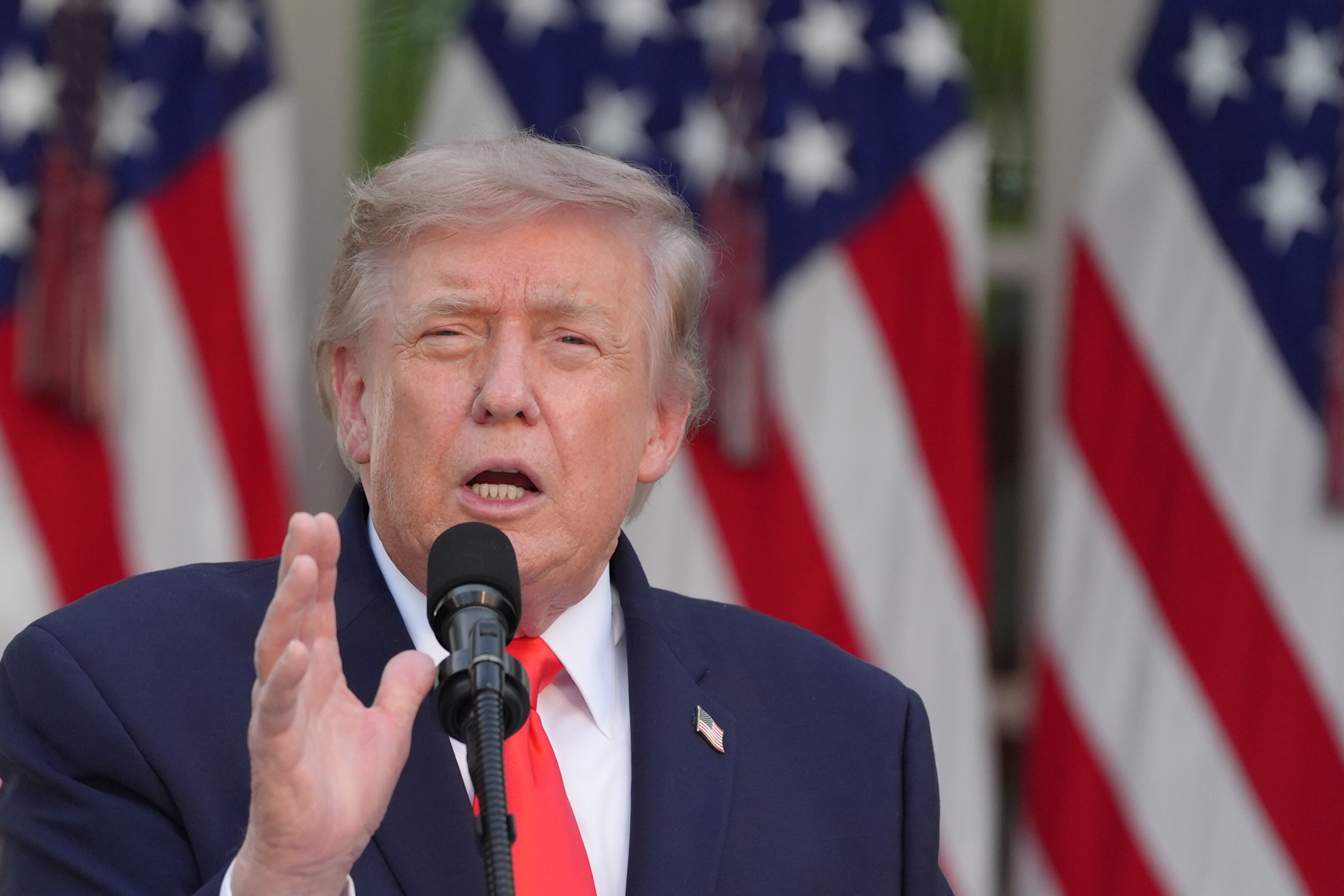
Donald Trump acusa a Irán de "violación estúpida" del alto el fuego al atacar un navío de carga en el Estrecho de Ormuz El mandatario estadounidense condena el impacto de un dron de Teherán en la cubierta de un barco en el paso marítimo Leer
elmundo · 3 months ago
US, Gulf states demand Hormuz reopening, reject tolls and control Washington and Gulf Cooperation Council members meeting in Manama on Thursday demanded the immediate reopening of the Strait of Hormuz, rejecting any attempts to impose fees or assert control over the vital waterway while stressing their shared objective of preventing Iran from acquiring nuclear weapons.
yenisafak · 3 months ago
Iran slams US-GCC joint statement as provocative Iran has condemned a joint US-GCC statement as interventionist, irresponsible and provocative, accusing Gulf states of aligning with Washington and Israel against regional security. Tehran warned that the US military presence has become a source of insecurity and urged Gulf states to reconsider their positions.
yenisafak · 3 months ago
Iran warns against Israeli military flights through neighbouring airspace Irans top military command has warned against Israeli military aircraft using the airspace of neighbouring countries to approach Iran, calling it a dangerous act and a threat. Tehran did not name specific countries but said it reserves the right to respond to such actions.
yenisafak · 3 months ago
US-Gulf summit in Bahrain rejects Hormuz tolls The US and Gulf states held a joint summit in Bahrain following the war. While the US stated that the agreement also took Gulf interests into account, summit participants adopted a joint stance against imposing fees for passage through the Strait of Hormuz
yenisafak · 3 months ago
Iran: Hormuz passage not guaranteed without Tehran coordination Iran has pushed back against the US-GCC call for free, unconditional navigation through the Strait of Hormuz, stating that safe passage cannot be guaranteed under ambiguous arrangements or parallel routes without Tehrans consent. Any credible framework must be based on coordination with Iran under Article 5 of the Islamabad memorandum.
yenisafak · 3 months ago
Hormuz traffic continues despite attack on container ship Ship traffic through the Strait of Hormuz continued in both directions on Friday despite an attack on a container vessel that prompted some owners to pause transit plans. Empty LNG carriers began gathering off Qatars Ras Laffan, signalling an expected increase in exports as traffic gradually recovers.
yenisafak · 3 months ago
Panama Canal revenue set to beat $5.2B forecast after Hormuz closure The Panama Canal expects fiscal 2026 revenue to exceed an initial $5.2 billion forecast, as the Hormuz closure rerouted vessels through the waterway. Traffic peaked at 41 ships daily, and LNG tankers increased transit as Asian buyers turned to US suppliers. A new administrator will oversee $8.5 billion in expansion projects.
yenisafak · 3 months ago
Iran turns back tankers over unauthorized Hormuz transit Iranian authorities said they turned back three foreign tankers attempting to transit through an unauthorized corridor in the Strait of Hormuz, declaring that alternative routes established without Tehrans coordination are illegal and pose serious security risks to maritime traffic.
yenisafak · 3 months ago

Trump chides Iran for ship attack after Tehran insists on control of the strait
news.yahoo.com · 3 months ago

U.S. Launches Fresh Attacks on Iran The strikes follow a drone attack on a commercial vessel in the Strait of Hormuz and threatens to unwind the fragile ceasefire deal between Washington and Tehran
wsj · 3 months ago
Trump blames Iran for foolish strike on cargo ship in Strait of Hormuz Fragile US-Iran ceasefire tested as drone strike off Oman draws stern warning from the US president.
aljazeera · 3 months ago
⚡#BREAKING Iranian outlets reports several explosions heard in Sirik, a port city in southern Iran, near Hormuz 💧 Rainbet.com the #1 Non-KYC Crypto Casino & Sportsbook @rainbetcom +18
telegram bot · 3 months ago
Bloomberg: Το Ομάν βάζει στο τραπέζι τέλη διέλευσης στα Στενά του Ορμούζ - Σκληρή γραμμή και από την Τεχεράνη Το Ομάν εξετάζει επιβολή τελών για υπηρεσίες στα Στενά του Ορμούζ, προκαλώντας ανησυχία στις δυτικές κυβερνήσεις και στις αγορές για το κόστος των θαλάσσιων μεταφορών - Την ίδια ώρα η Τεχεράνη διαμηνύει ότι διατηρεί το δικαίωμα να ελέγχει τα Στενά μαζί με το Μουσκάτ
protothema · 3 months ago
Prețul petrolului a crescut din nou, după atacul asupra unei nave comerciale în Strâmtoarea Ormuz Prețurile petrolului au scăzut după ce au înregistrat o creștere bruscă mai devreme, pe fondul reaprinderii violențelor în Strâmtoarea Hormuz. Petrolul Brent, indicatorul de referință internațional, a scăzut cu peste 2 vineri, după ce a înregistrat o creștere de până la 4 în urma deciziei Organizației Maritime Internaționale de a suspenda evacuarea planificată a navelor blocate în jurul acestei căi navigabile strategice, scrie Al Jazeera.
digi24 · 3 months ago
Tensiuni în Strâmtoarea Ormuz: Iranul revendică din nou controlul traficului maritim, după atacul asupra unei nave în apropiere de Oman Teheranul și-a reafirmat vineri dreptul de a controla traficul maritim în Strâmtoarea Ormuz și a avertizat statele din Golf să nu se alăture Statelor Unite, la o zi după ce un atac asupra unei nave în apropierea Omanului a scos în evidență fragilitatea unui acord preliminar menit să pună capăt conflictului cu Iranul. Teheranul a reacționat la ceea ce a numit o declarație comună „intervenționistă, iresponsabilă și provocatoare a Statelor Unite și a șase state din Golf, care a respins insistența Iranului de a putea percepe taxe de trecere de la navele care tranzitează strâmtoarea, anunță Reuters.
digi24 · 3 months ago
Trump acuză Iranul că a atacat nave în Strâmtoarea Ormuz cu drone kamikaze: „Este o încălcare prostească a armistițiului Președintele american Donald Trump a acuzat vineri Iranul că a lansat cel puțin patru drone kamikaze asupra unor nave care traversau Strâmtoarea Ormuz, afirmând că unul dintre aparatele fără pilot a lovit puntea superioară a unui cargou. Liderul de la Casa Albă a catalogat incidentul drept o încălcare a armistițiului convenit între cele două părți, relatează Reuters.
digi24 · 3 months ago
Oana Țoiu, discuție cu șeful diplomației iraniene: „Am subliniat necesitatea redeschiderii în condiții de siguranță a Strâmtorii Ormuz Ministrul interimar de Externe Oana Ţoiu a avut, vineri, o convorbire cu ministrul afacerilor externe al Republicii Islamice Iran, E.S. Abbas Araghchi, privind situaţia actuală din Orientul Mijlociu, Memorandumul de Înţelegere semnat recent cu Statele Unite şi abordarea României în conformitate cu dreptul internaţional. Ministrul a subliniat necesitatea redeschiderii depline şi în condiţii de siguranţă a Strâmtorii Ormuz, precum şi a restabilirii libertăţii de navigaţie, în vederea stabilizării pieţelor energetice.
digi24 · 3 months ago
🇺🇸❌🇮🇷- Axios reports that the United States military has executed strikes in the vicinity of the Strait of Hormuz.
telegram bot · 3 months ago
Trump Says Iranian Attack on Cargo Ship Was Violation of Ceasefire Deal The attack on Thursday has snarled shipping in the Strait of Hormuz and threatens the main goal of the presidents preliminary deal to wind down the war.
wsj · 3 months ago
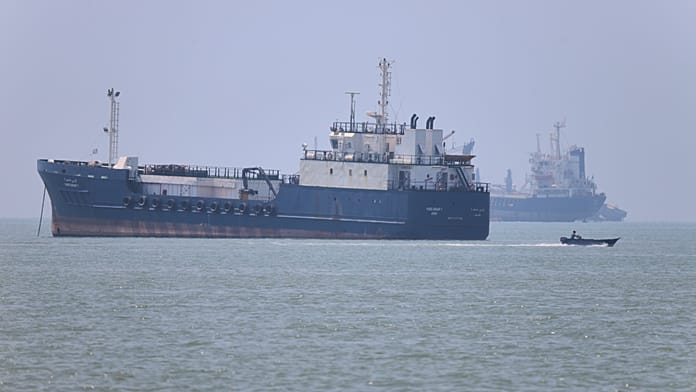
IRGC denies direct hotline with US, as Trump warns of ceasefire violations in Strait of Hormuz The spokesperson for the Islamic Revolutionary Guard Corps (IRGC) denied claims by American officials regarding the establishment of a direct hotline between Iran and the United States concerning the Strait of Hormuz, calling it a "sheer lie".
euronews · 3 months ago