
Israel and Hezbollah halt attacks after Trump-Netanyahu clash, but truce remains fragile
Story Timeline
4 months · 32 summary articles
Israel and Hezbollah agree to halt attacks after explosive Trump-Netanyahu call, but tensions persist
U.S. President Donald Trump announces a mutual cessation of hostilities between Israel and Hezbollah, following a furious, expletive-laden phone call with Israeli Prime Minister Benjamin Netanyahu in which Trump called Netanyahu "crazy" and blocked plans for strikes on Beirut. Despite the agreement, two projectiles fired from Lebanon toward northern Israel early Tuesday were intercepted by Israeli forces, underscoring the fragility of the truce.
Trump stated on Monday that both Israel and Hezbollah had committed to halting attacks, with Hezbollah agreeing under a U.S. proposal for a reciprocal ceasefire, as confirmed by Lebanon’s U.S. embassy . Netanyahu, however, has neither confirmed nor denied the agreement, insisting Israel will continue operations in southern Lebanon and reserving the right to strike Beirut if Hezbollah does not cease attacks . A senior Israeli official told *Axios* that Israel has abandoned plans to target Hezbollah in Beirut following Trump’s intervention .
The ceasefire announcement triggered a drop in oil prices, with Brent crude falling below $95 per barrel and WTI to $91.9, as markets reacted to eased Middle East tensions . Yet the deal remains precarious: Iran has suspended all peace talks with the U.S. in protest at Israel’s offensive in Lebanon, where the death toll since March has reached 3,433, with 10,395 injured, according to Lebanon’s Health Ministry .
Trump’s call with Netanyahu, described by U.S. officials as one of the most contentious since Trump’s return to office, revealed deep frustration over Israel’s escalation in Lebanon. Trump accused Netanyahu of ingratitude, referencing his support during Netanyahu’s corruption trial, and warned that further strikes on Beirut would isolate Israel globally. A U.S. official quoted Trump telling Netanyahu: *"You’re fucking crazy. You’d be in prison if it weren’t for me. I’m saving your ass. Everybody hates you now. Everybody hates Israel because of this"* . Netanyahu’s office has not responded to requests for comment, but a second U.S. official claimed Trump "steamrolled" the Israeli leader, who reportedly acquiesced with *"OK, OK, just make sure everything is taken care of"* .
Despite the ceasefire, Israeli public and political consensus remains firmly behind the military campaign in Lebanon. Bilal Y. Saab, a senior analyst at TRENDS Research and Advisory, told *France 24* that there is "a healthy political consensus in Israel about the merits and desirability of the military campaign," suggesting Netanyahu faces little domestic pressure to de-escalate .
The U.S. and Iran are negotiating a memorandum to formalize the Lebanon ceasefire, though previous attempts have collapsed amid repeated violations. Iran continues to enforce a blockade on the Strait of Hormuz, disrupting global energy supplies, while the U.S. maintains its own counter-blockade, further complicating diplomatic efforts . With Iran’s suspension of talks and Israel’s refusal to rule out further strikes, the truce’s durability remains in question.
Follow us for live European news
Articles

Oil prices drop as Middle East tensions ease after Trump remarks Brent crude fell below $95 per barrel and WTI dropped to $91.9 as Middle East tensions eased following President Trumps statements on Lebanon. Trump said all shooting between Israel and Hezbollah would be halted, and no troops would go to Beirut.
yenisafak · 4 months ago
Israeli military reports attacks from Lebanon Early Tuesday, two projectiles fired from Lebanon toward northern Israel were intercepted by Israels military, with no casualties reported. This followed news on Monday that Hezbollah had agreed to a US proposal for a mutual cessation of attacks. However, Israeli Prime Minister Benjamin Netanyahu has not confirmed or denied an agreement, maintaining that Israel will […]
cphpost · 4 months ago
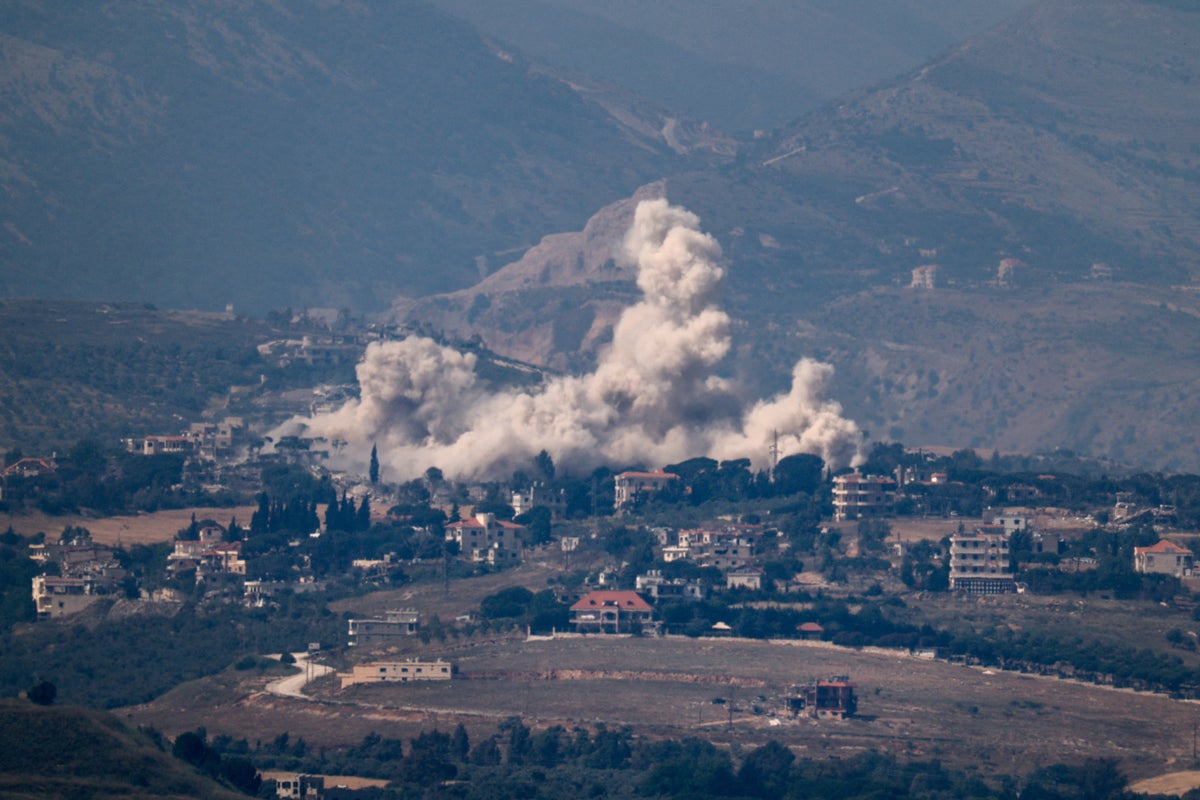
Iran-US war latest: Trump calls Netanyahu crazy in furious call as Hezbollah agrees to halt attacks Iranian media said Tehran would not participate in talks while Israel continued to bomb Lebanon
independent · 4 months ago

Trump Says Israel , Hezbollah to Halt Attacks as Iran Talks Continue
gdelt bot · 4 months ago
US says Israel and Hezbollah agree to dial back fighting as tensions escalate Tensions between Israel and Hezbollah intensified on Monday, after US President Donald Trump said the two sides had agreed to dial back fighting following talks with Israeli Prime Minister Benjamin Netanyahu and indirect communication with Hezbollah.
france24 · 4 months ago
Iran war live: Trump talks to Hezbollah, Israel as Lebanon fighting surges Death toll from Israels attacks on Lebanon since March has reached 3,433, with 10,395 injured, says Health Ministry.
aljazeera · 4 months ago
Middle East crisis live: Israel says rockets fired at countrys north after Trump announced shooting would stop The US president said Benjamin Netanyahu had promised not to send troops to Beirut, while Hezbollah had agreed that all shooting will stopThe exchange of strikes between the US and Iran reflects the fragility of the current ceasefire, which has seen repeated violations even as American and Iranian officials try to negotiate a deal to extend it.Iran has maintained its chokehold on the strait of Hormuz, disrupting global energy supplies as a fifth of all oil and natural gas traded once passed through the narrow mouth of the Persian Gulf. The US continues to enforce its own blockade on the strait, as it pressures Tehran to reach an agreement. Continue reading...
theguardian · 4 months ago
Trump Says Israel, Hezbollah to Halt Attacks as Iran Talks Continue Tehran had said it would suspend negotiations over Israeli strikes in Lebanon.
foreignpolicy.com · 4 months ago
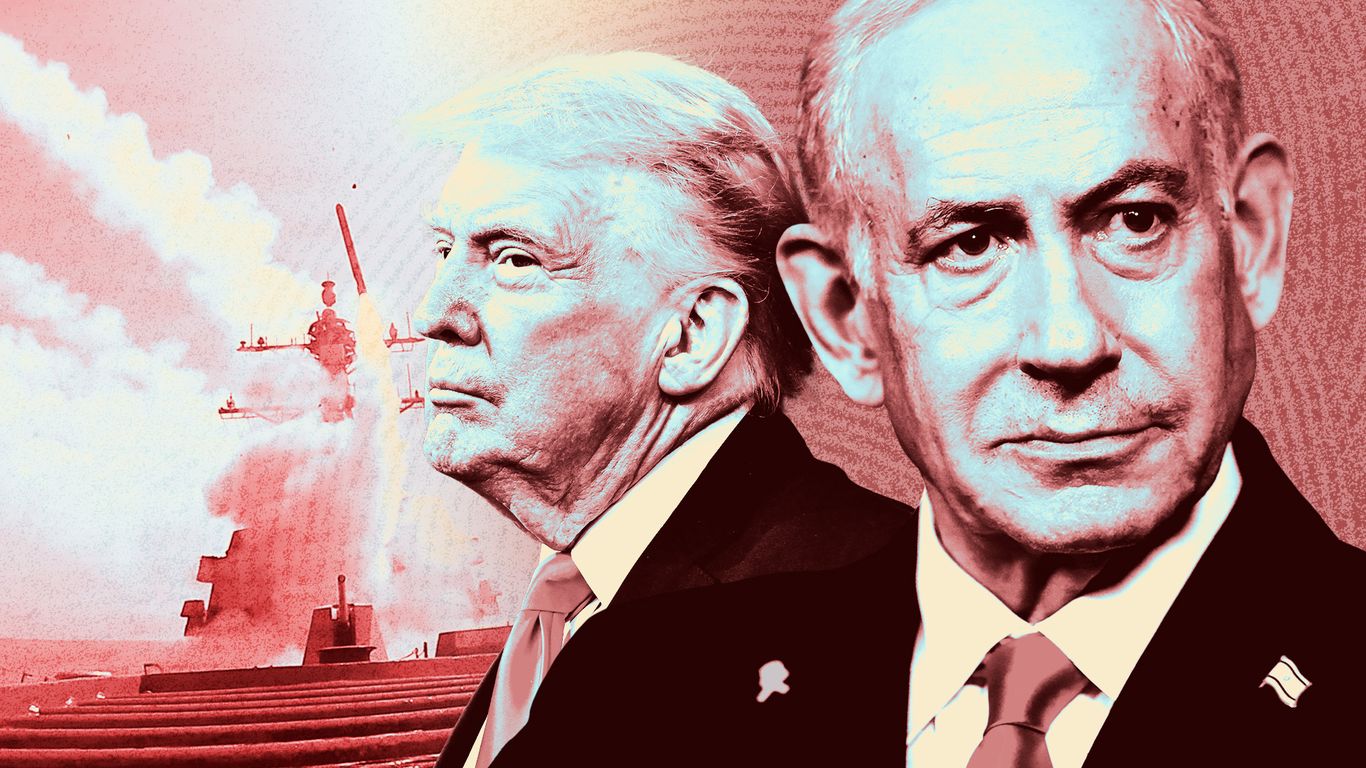
"Youre fucking crazy": Trump fumes at Netanyahu in call on Lebanon President Trump lashed out at Israeli Prime Minister Benjamin Netanyahu over Israels escalation in Lebanon in an expletive-laden call on Monday, two U.S. officials and a third source briefed on the call told Axios.Why it matters: Earlier on Monday, Iran threatened to abandon the negotiations with the U.S. over Israels actions in Lebanon. On the call, Trump called Netanyahu "crazy" and accused him of ingratitude, according to two of the sources. He also put the brakes on Israels plan to strike Beirut.Behind the scenes: One U.S. official said Trump told Netanyahu that following through on his threats to bomb the Lebanese capital would further isolate Israel around the world. Two of the sources said Trump claimed hed helped keep Netanyahu out of jail — a reference to his support during Netanyahus corruption trial.Summarizing Trumps remarks to Netanyahu, the U.S. official said: "Youre fucking crazy. Youd be in prison if it werent for me. Im saving your ass. Everybody hates you now. Everybody hates Israel because of this."A second source briefed on the call said Trump was "pissed" and at one point yelled at Netanyahu: "What the fuck are you doing?"Driving the news: The U.S. official said Trump knew Hezbollah had been shooting at Israel and that Israel needed to defend itself, but felt in recent days that Netanyahu was escalating in a disproportionate way.In addition to the threats on Beirut, Israel has been expanding its ground operation in southern Lebanon.Another U.S. official said Trump was concerned by the fact that Israel had killed so many civilians in Lebanon, and objected to the Israelis knocking down buildings to take out a single Hezbollah commander.State of play: Israel no longer plans to strike Hezbollah targets in Beirut, an Israeli official told Axios.Between the lines: Trump and Netanyahu have had several tense calls in the past but have still coordinated closely on Iran and other issues. One official said this was one of Trumps worst calls with Netanyahu since he returned to office.Trumps anger appeared to be driven by the fact that Netanyahus decision to escalate in Lebanon was threatening to implode his negotiations with Iran.After the call, Trump posted on Truth Social that the Iran talks were "continuing, at a rapid pace."The other side: Netanyahu released a statement after the call saying hed told Trump that Israel would attack targets in Beirut if Hezbollah did not stop attacking Israel, and that in the meantime Israel would continue its operations in southern Lebanon."Our position remains the same," Netanyahu wrote.The second U.S. official claimed that, in reality, Trump had "steamrolled" Netanyahu on the call. "Bibi said, OK, OK, just make sure everything is taken care of," according to the official.Netanyahus office did not respond to a request for comment.What to watch: The memorandum the U.S. and Iran are negotiating calls for an end to the fighting in Lebanon, sources tell Axios. That was the source of a previous tense call between Trump and Netanyahu.
axios · 4 months ago
Healthy consensus in Israel on pursuing Lebanon campaign, expert says Israeli Prime Minister Benjamin Netanyahu said on Monday he told US President Donald Trump that his country would strike Beirut if Hezbollah doesnt stop attacking Israel. Earlier, Trump had said that Israel and Hezbollah had agreed to dial back fighting. Speaking with FRANCE 24s Sharon Gaffney, Bilal Y. Saab, Senior Managing Director of TRENDS Research and Advisory U.S., explains that "theres a healthy political consensus in Israel about the merits and desirability of the military campaign in Lebanon".
france24 · 4 months ago
Middle East crisis live: Lebanons US embassy says Hezbollah has agreed to reciprocal ceasefire with Israel under US proposal Israeli prime minister Benjamin Netanyahu has meanwhile threatened to strike Beirut and says IDF will continue operations in southern LebanonIran suspends all peace talks in protest at Israeli offensive in LebanonThe exchange of strikes between the US and Iran reflects the fragility of the current ceasefire, which has seen repeated violations even as American and Iranian officials try to negotiate a deal to extend it.Iran has maintained its chokehold on the strait of Hormuz, disrupting global energy supplies as a fifth of all oil and natural gas traded once passed through the narrow mouth of the Persian Gulf. The US continues to enforce its own blockade on the strait, as it pressures Tehran to reach an agreement. Continue reading...
theguardian · 4 months ago