
US and Iran talks collapse after Trump threatens retaliation

Story Timeline
4 months · 54 summary articles
US and Iran trade threats as historic talks in Switzerland collapse within hours
US President Donald Trump on Sunday threatened to strike Iran if it did not immediately halt Hezbollah’s activities in Lebanon, prompting the Iranian delegation to walk out of the first round of direct talks in Switzerland aimed at ending the regional war.
Vice President J.D. Vance and senior US envoys met Iranian Speaker of Parliament Mohammad-Bagher Ghalibaf and Foreign Minister Abbas Araghchi at the Bürgenstock ski resort near Lake Lucerne, but the session ended abruptly after Trump’s Truth Social post warned Iran to “stop their highly paid PROXIES in Lebanon from causing trouble” or face “very hard” retaliation “only harder!!!”
Iran’s chief negotiator Ghalibaf had earlier warned Washington to “be careful with their statements,” and Iranian state media reported that the delegation delivered a formal protest to US mediators and left the venue in protest.
The talks, brokered by Pakistan and Qatar, were intended to launch 60 days of nuclear negotiations and address the Israeli-Hezbollah conflict in Lebanon, where fighting continued despite a fragile ceasefire. Vance told reporters that “we already made progress in the last several hours” and expected further advances, but the Iranian withdrawal cast immediate doubt on the process.
Iran’s Foreign Ministry had insisted the discussions would focus on a Lebanese ceasefire, US oil sanctions waivers, and the release of frozen funds, while US negotiators sought UN access to Iranian nuclear sites bombed by Israel and the US in 2025. A potential quid pro quo involved releasing a $6 billion Iranian fund in Qatar for humanitarian purchases.
Trump’s latest rhetoric escalated tensions hours after Israeli strikes on Lebanon resumed, which Iran cited as justification for threatening to close the Strait of Hormuz. Iranian Supreme Leader Ali Khamenei has expressed reservations about the interim deal, though most top decision-makers reportedly support it.
The abrupt collapse underscores the fragility of the diplomatic process, with both sides trading ultimatums even as mediators warned that the window for a lasting agreement could close within days.
Follow us for live European news
Articles

Iran: Lämnar förhandlingar efter Trumps hot Samtidigt som JD Vance förhandlade med Iran hotade Donald Trump om en mycket hård attack. Då lämnade Irans delegation samtalen i protest, enligt iranska medier. – De borde vara försiktiga med sina kommentarer, säger Irans toppförhandlare Mohammad Bagher Ghalibaf. Enligt uppgifter till Reuters och Bloomberg pausades samtalen bara tillfälligt.
expressen · 3 months ago
US and Iran publicly trade threats as talks take place in Switzerland US President Donald Trump on Sunday threatened to strike Iran if it did not stop Hezbollah from "causing trouble", while Irans chief negotiator Mohammad Bagher Ghalibaf warned the US to "be careful with their statements".
euronews · 3 months ago
Pakistani premier arrives in Switzerland for US-Iran talks Pakistans Prime Minister Shehbaz Sharif arrived in Switzerland on Sunday to attend technical-level talks between the United States and Iran on implementing the Islamabad Memorandum of Understanding, with high-level delegations from Qatar also set to participate in the Burgenstock negotiations aimed at ending the Middle East conflict.
yenisafak · 3 months ago
Trump: US secretly moved 87 oil tankers through Hormuz President Donald Trump revealed that the US quietly moved at least 87 oil tankers through the Strait of Hormuz under cover of darkness, with naval escorts, after degrading Irans radar systems. He warned that Iran has 60 days to finalise a deal or face consequences.
yenisafak · 3 months ago
Pakistan interior minister heads to Tehran to revive US-Iran talks Interior Minister Mohsin Naqvi has departed for Tehran to discuss the resumption of direct US-Iran negotiations, following the postponement of scheduled talks in Switzerland. The visit aims to bridge gaps and explore ways to advance diplomatic efforts after the signing of the Islamabad Memorandum.
yenisafak · 3 months ago
US-Iran technical talks to resume in Switzerland within days Technical-level negotiations between the United States and Iran are expected to resume in Switzerland in a day or two, according to Pakistani government sources. Pakistans interior minister has travelled to Tehran to discuss the next phase, following the postponement of talks over Israeli ceasefire violations in Lebanon.
yenisafak · 3 months ago
Russias Medvedev: Israel unhappy with Iran deal, may act further Russian Security Council Deputy Chairman Dmitry Medvedev has warned that Israel is dissatisfied with the US-Iran deal and may seek further action. He also said the agreement is easily blown apart by new strikes on Lebanon, and that the Strait of Hormuz has become a Persian nuke.
yenisafak · 3 months ago
Trump envoys head to Switzerland ahead of possible Iran talks Senior Trump administration officials have travelled to Switzerland as negotiations with Iran on a nuclear deal may be imminent, though Axios reports that talks have been delayed amid hostilities in Lebanon. Iran reportedly views a ceasefire in Lebanon as essential for progress.
yenisafak · 3 months ago
Trumps Iran agreement and the limits of divergence with Israel The 14-point memorandum signed by Trump does not merely mean a temporary halt to the war or paving the way for a nuclear agreement. The agreement also carries critical importance in terms of regional power balances, the US-Israel relationship, and Irans normalization. The existence of those who defend the agreement as a diplomatic victory and a historic opportunity, against those who interpret it as a major concession to Iran, shows that the economic and political cost of the war is generating
yenisafak · 3 months ago
Iran to press US on war deal commitments in Switzerland Irans Foreign Ministry announced on Saturday that a delegation will travel to Switzerland to press Washington for immediate implementation of its obligations under a war-ending deal, warning that any failure to fulfill commitments would place the entire understanding at risk.
yenisafak · 3 months ago
Pakistan announces US-Iran technical talks in Switzerland Pakistans Foreign Ministry announced on Saturday that technical-level talks between the United States and Iran will convene in Burgenstock, Switzerland on Sunday under the Islamabad Memorandum of Understanding, with mediators from Pakistan and Qatar facilitating the implementation discussions.
yenisafak · 3 months ago
„Große Fortschritte erzielt: Trump will laut Vance neues Kapitel in Beziehungen mit Iran aufschlagen Während US-Vize Vance von einer „gemeinsamen Zukunft mit dem Iran spricht, droht Trump dem Regime mit neuen Angriffen. Ein Streitpunkt bleibt.
tagesspiegel · 3 months ago
Iranian speaker, FM to lead delegation to Switzerland for US talks Irans Parliament Speaker Mohammad Bagher Qalibaf and Foreign Minister Abbas Araghchi will travel to Switzerland on Saturday evening to lead negotiations with the United States regarding implementation of commitments under a recently signed memorandum of understanding, according to Iranian media reports.
yenisafak · 3 months ago
US Vice President Vance arrives in Switzerland for Iran talks US Vice President JD Vance arrived in Switzerland on Sunday to join Pakistan-mediated negotiations with Iranian officials, stating he is "very confident" that Washington and Tehran can sustain their ceasefire as delegations prepare to address technical elements of the nascent Islamabad Agreement.
yenisafak · 3 months ago
Iran says $6B frozen assets in Qatar will be released in US deal Iranian President Masoud Pezeshkian said on Sunday that $6 billion in frozen assets held in Qatar will be released to Tehran as technical negotiations with the United States begin in Switzerland to end the months-long Middle East conflict, adding that the Islamic Republic will never abandon its right to enrich uranium.
yenisafak · 3 months ago
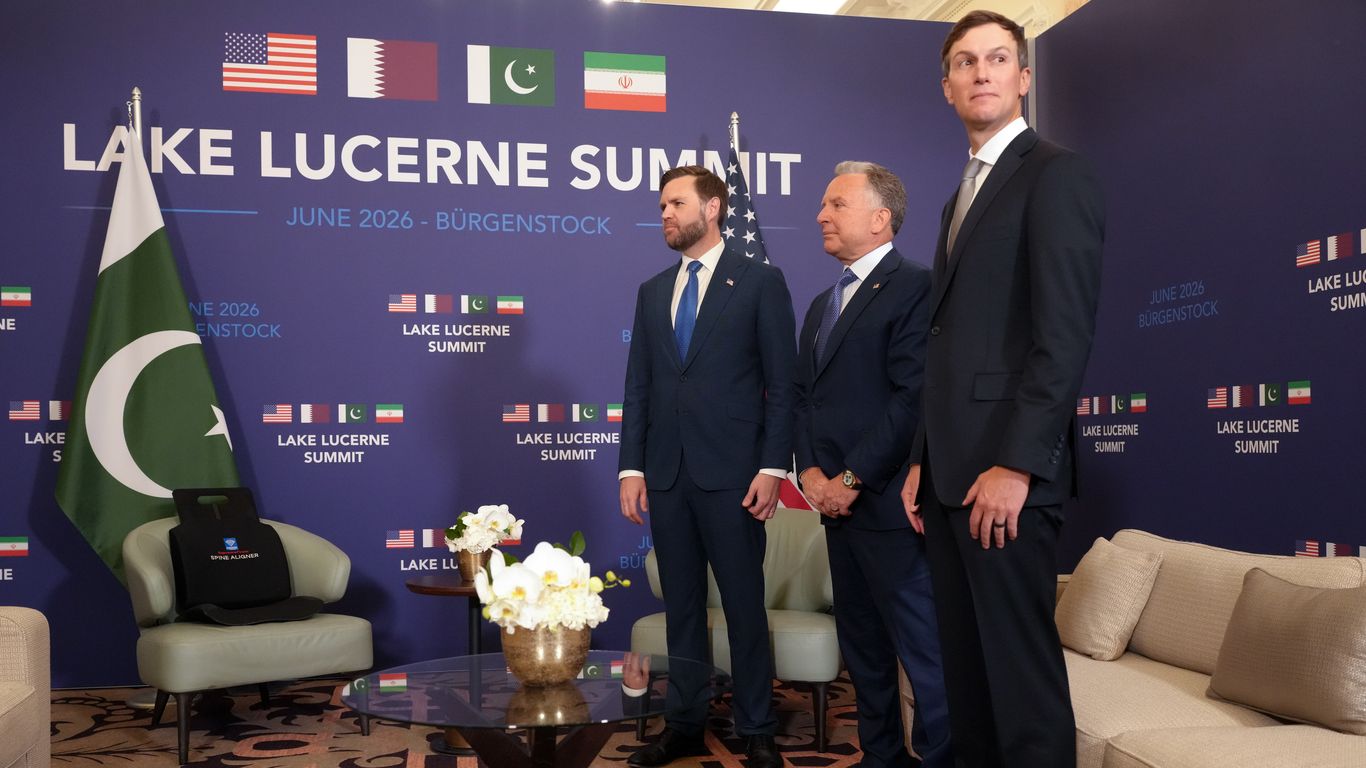
U.S. and Iran launch direct negotiations in Switzerland Vice President J.D. Vance and other U.S. negotiators met with their Iranian counterparts at the Bürgenstock ski resort in Switzerland on Sunday for the first round of talks over a deal to end the war, according to a diplomat with knowledge of the talks. Why it matters: The Lake Lucerne Summit is the first round of direct talks between the U.S. and Iran since the Islamabad summit last April. Its supposed to launch 60 days of nuclear negotiations with the aim of limiting Irans nuclear program.The talks took place despite Iran claiming on Saturday that it was shutting down the Strait of Hormuz in response to Israeli ceasefire violations in Lebanon. Given that backdrop, things could break down at any time."We already made progress in the last several hours, and I expect we will make additional progress in the hours to come," Vance told reporters in Bürgenstock on Sunday. Driving the news: Vance and White House envoys Steve Witkoff and Jared Kushner met on Sunday morning with the Prime Ministers of Pakistan and Qatar and Pakistans top general, who is mediating talks between the U.S. and Iran. Shortly after, the Iranian delegation — headed by Speaker of Parliament Mohammad-Bagher Ghalibaf and Foreign Minister Abbas Araghchi — held a similar meeting with the mediators. Iranian state media reported that after the mediator meetings, the U.S. and Iranian delegations held a trilateral meeting with the Qataris, a diplomat with knowledge of the talks confirmed to Axios. What they are saying: Speaking to reporters before the trilateral meeting, Vance said the U.S. isnt just working toward opening the Strait of Hormuz or ending Irans nuclear program, but changing its relationship with the nation. "The question is — can we turn over a new leaf? Can we change relations in the Middle East permanently, or do we go back to doing things the old way, which is not our preference but is certainly something that can happen," he said.Vance called the meeting "historic" due to the high level of direct engagement between Iranian and American leadership. Irans Araghchi was in the room as U.S. negotiators and the Pakistani and Qatari prime ministers spoke to the press Sunday, but he didnt stand with Vance for a photo op or join in statements to reporters.The Iranian state media quoted a source in the Iranian delegation claiming the Iranians rejected a U.S. request for a joint photo-op and public handshake during the talks.The other side: An Iranian Foreign Ministry spokesperson told Iranian state media on Sunday that the talks will focus on the ceasefire in Lebanon, the waivers the U.S. committed to issue in order to allow Iran to sell oil and the issue of Irans frozen funds. Between the lines: The U.S. would like the first round of talks to end with an Iranian invitation for UN inspectors to visit its nuclear sites, which were bombed by the U.S. and Israel, two regional sources with direct knowledge said. The last such visit took place in June 2025.In return, the U.S. is willing to give Iran access to some of its frozen funds — starting with a $6 billion account in Qatar. The Iranians would be able to use those funds to buy humanitarian goods, the sources said. What to watch: As talks were underway in Switzerland, President Trump threatened to attack Iran if the nation doesnt restrain Hezbollah. "Iran must immediately stop their highly paid PROXIES in Lebanon from causing trouble. If they dont, well hit Iran very hard again, just like we did last week, only harder!!!", Trump wrote on Truth Social.Trumps comments follow Israel and Hezbollah saying they were recommitted to a ceasefire agreement after a similar effort broke down within hours on Friday. Editors note: This story has been updated with additional information.
axios · 3 months ago
Pakistans Sharif to represent Islamabad at US-Iran talks in Switzerland Pakistani Prime Minister Shehbaz Sharif will represent Islamabad during technical-level negotiations between the United States and Iran scheduled for Sunday in Switzerland, sources confirmed on Saturday, while Interior Minister Mohsin Naqvi traveled to Tehran to coordinate with Iranian leadership ahead of the high-stakes diplomatic push.
yenisafak · 3 months ago

Iran Says It Is Pausing Talks After Trump Threats The president warns the U.S. could strike Iran over its support for Hezbollah, the militant group Israel is fighting in Lebanon.
wsj · 3 months ago
Trump threatens to strike Iran over support for Hezbollah as fighting continues in Lebanon US President Donald Trump on Sunday threatened to strike Iran if it did not stop Hezbollah from "causing trouble," as peace talks between senior US and Iranian officials began in Switzerland. The memorandum of understanding signed Wednesday between the United States and Iran stipulates a cessation of hostilities on all fronts, including in Lebanon. But Israeli strikes on Lebanon continued -- in response, they say, to projectiles fired by the Iran-backed group at its troops. Details and analysis by FRANCE 24 international affairs editor Kethevane Gorjestani.
france24 · 3 months ago
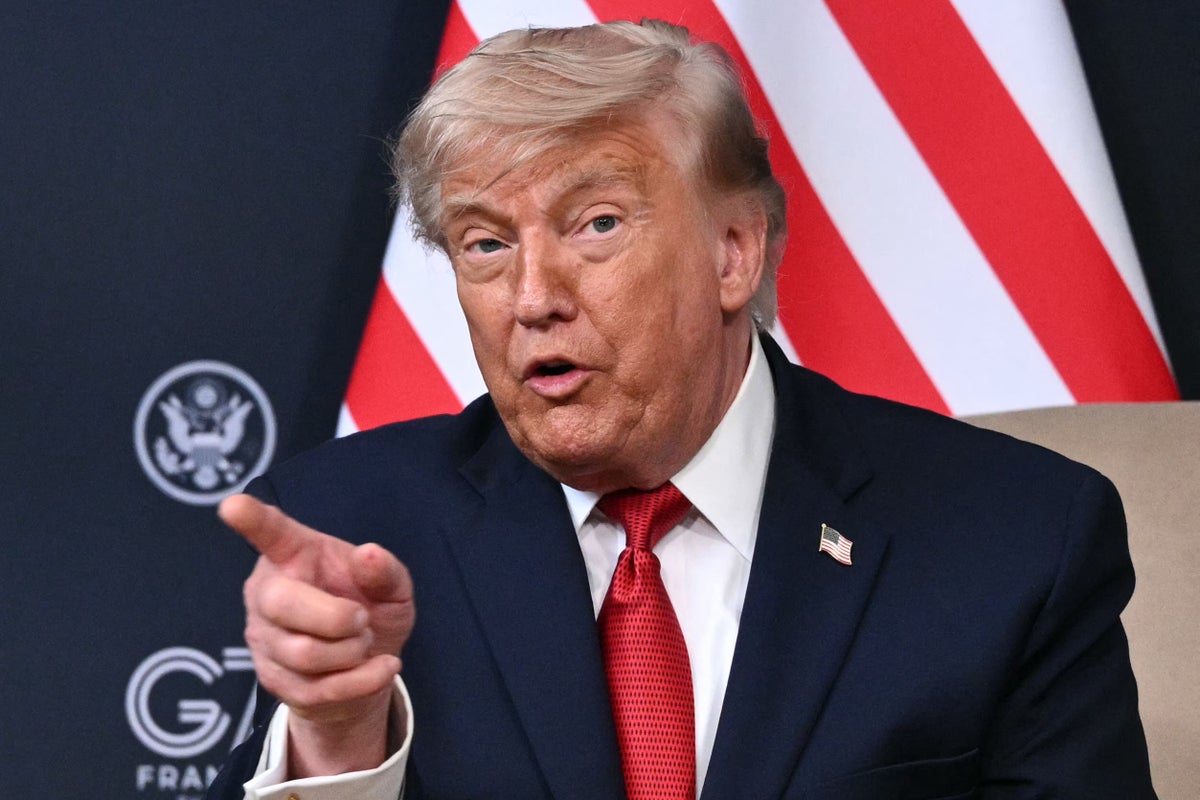
Trump threatens to take over Iran if Tehran closes the Strait of Hormuz in profanity filled tirade: report Israels assault into Lebanon is reportedly viewed by Trumps advisers as an effort to sabotage ceasefire talks
independent · 3 months ago
Wirtschaft in Kuba: Adiós, Planwirtschaft! Unter dem Druck der USA führt Kubas Regime den Kapitalismus ein. Trump droht trotzdem mit einer Militäroperation.
die zeit · 3 months ago
US-Iran negotiations in Switzerland kick off US-Iran talks opened in Switzerland with mediators Qatar and Pakistan hailing a historic opportunity for stability.
aljazeera · 3 months ago