
US warns Iran: military strikes resume if talks fail
Story Timeline
4 months · 31 summary articles
Washington and Tehran remain deadlocked after high-stakes talks as US signals readiness to resume military strikes
US President Donald Trump emerged from a two-hour Situation Room meeting on Friday without a deal to end the 92-day conflict with Iran, leaving negotiations in limbo as both sides trade conflicting statements. Defense Secretary Pete Hegseth warned on Saturday that the US is "more than capable" of restarting attacks if diplomacy fails, underscoring Washington’s military leverage even as talks continue.
The core sticking points remain unchanged: Trump demands Iran remove naval mines from the Strait of Hormuz and dismantle its enriched uranium stockpiles, while Tehran insists on the unfreezing of billions in assets as a precondition for concessions. According to *France24*, Iranian officials claim negotiations are ongoing, but US sources describe the latest proposal as insufficient . Hegseth, speaking at the Shangri-La Dialogue in Singapore, framed the impasse as a test of patience, stating Trump "wants to ensure Iran does not get a nuclear weapon" but will not rush a flawed agreement .
Meanwhile, intelligence sources told NBC that an initial investigation into Iran’s downing of a US F-15 fighter jet points to Chinese-supplied Man-Portable Air Defense Systems (MANPADS) as the likely weapon. The same sources suspect Beijing provided Iran with long-range early warning radar capable of tracking stealth aircraft, including the F-35—allegations China has vehemently denied. The timeline of any such deliveries remains unclear .
The Pentagon’s muscular rhetoric coincides with a fragile ceasefire that has held since late February, though neither side has formally codified the terms. Hegseth’s remarks at the Singapore summit—where he also highlighted US stockpiles of "exquisite and plentiful munitions"—suggest Washington is preparing for a prolonged standoff, with military options explicitly on the table. Iran, for its part, has not publicly responded to the latest US demands but has previously dismissed unilateral disarmament as non-negotiable.
Background: The current conflict erupted in February after a US airstrike killed Iranian Revolutionary Guard Corps (IRGC) commander Qasem Soleimani in Baghdad, triggering retaliatory missile strikes on US bases in Iraq. Tensions escalated into direct clashes in the Persian Gulf, including the downing of the F-15 and a subsequent US cyberattack on Iranian military networks. The Strait of Hormuz, a critical chokepoint for global oil shipments, has seen repeated Iranian mine-laying operations, prompting US naval escorts for commercial vessels. While the Biden administration initially sought to revive the 2015 nuclear deal, Trump’s return to office in 2024 shifted US policy toward a more confrontational stance, demanding broader concessions on Iran’s ballistic missile program and regional proxies.
Follow us for live European news
- 2
- 1
- 1
- 1
- 1
1 further source not geolocated
Articles
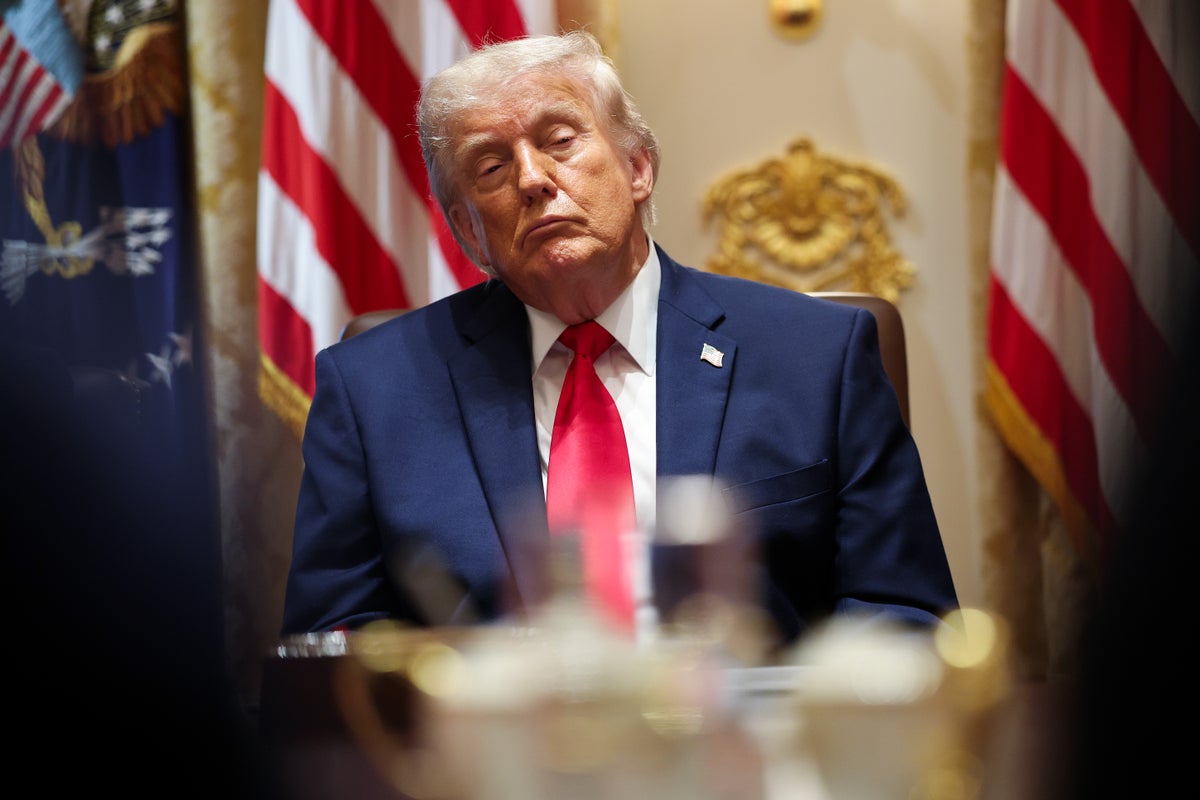
Iran-US war latest: Trump ends final decision meeting without announcing deal and outlines key demands US defence secretary Pete Hegseth warns Washington more than capable of resuming attacks on Iran if talks fail
independent · 4 months ago

Trump will remain patient in pursuit of a deal with Iran, says Hegseth President wants to make a great deal but defence secretary warns US is ready to restart attacks
financial times · 4 months ago
🇮🇷🤝🇨🇳❌🇺🇸 - Initial investigation into the F-15 downed by Iran points toward Chinese supplied Manpads as the suspect, sources told NBC. It is also suspected that China supplied Iran with long range early warning radar to track stealth jets, resulting in the interception of a F-35. It is unclear when such weapons, if any, were delivered to Iran. Chinese officials denied any arms export to Iran.
telegram bot · 4 months ago
Still no deal between Iran and the US after a two-hour Situation Room meeting There is still no progress on a peace deal in Iran. Washington and Tehrans statements about the state of negotiations are conflicting, with President Donald Trump emerging empty-handed from a two-hour meeting on the latest proposal from Iran. Trump wants Tehran to remove mines from the Strait of Hormuz and agree to destroy its enriched uranium, and Iran wants billions of dollars in assets unfrozen. Story by Charlotte Hughes and Thibault Franceschet.
france24 · 4 months ago
Trump leaves Situation Room meeting with no update on an Iran deal The president had promised a "final determination" on Iran after the two-hour meeting. He emerged without one.
politico.eu · 4 months ago
Iran war: What is happening on day 92 as Trump weighs Iran deal Trump weighs next steps on Iran deal as Tehran insists negotiations are continuing and no final agreement exists.
aljazeera · 4 months ago
Trump will remain patient in pursuit of a deal with Iran, says Hegseth US president wants to make a great deal as Washington and Tehran seek to end the conflict
financial times · 4 months ago
Middle east live: Pentagon chief says US more than capable of restarting war with Iran The US is more than capable of restarting attacks on Iran if a deal cannot be reached, Defense Secretary Pete Hegseth said on Saturday, as negotiators from Washington and Tehran worked to bridge major differences blocking an agreement. The Pentagon chief said President Donald Trump was "patient" and wants to ensure Iran does not get a nuclear weapon. Follow our live blog for the latest updates.
france24 · 4 months ago
#Iran #USA Trump concluded a two-hour meeting with advisers regarding a potential deal with Iran without announcing a decision. The discussions were focused on extending a ceasefire and reopening the Strait of Hormuz, but no final agreement has been reached yet. Subscribe to @OSINTdefender Chat room
telegram bot · 4 months ago

US more than capable of resuming war against Iran, Pete Hegseth says Pentagon chief also tells Singapore defence summit of alarm at Chinas military buildup but says US does not seek needless confrontationThe US has more than sufficient stockpiles of weapons and is more than capable of resuming the war with Iran, Pete Hegseth told a defence summit hours after a meeting in Washington failed to produce a deal to end the conflict.Our ability to recommence if necessary is we are more than capable, the US defence secretary told the Shangri-La Dialogue, a defence summit held in Singapore on Saturday. Our stockpiles are more than suited for that, both there and around the globe because of how we balance exquisite and more plentiful munitions. Continue reading...
theguardian · 4 months ago