Loading…
 Tuesday, September 29Tuesday, September 29
4 months · 25 summary articles
After two months of blockade, Iranian oil tankers have broken through the U.S.-imposed maritime cordon in the Strait of Hormuz for the first time, marking the most tangible sign yet of a breakthrough in the Iran-U.S. war that has roiled global energy markets since April 2026. On Wednesday, 17.06.2026, Iranian crude carriers transited the strategic chokepoint en route to international markets, a development confirmed by multiple outlets including Hungary’s *HVG* and France’s *Libération*, which reported the same movement in real time .
The breakthrough follows a confidential U.S.-Iran memorandum of understanding finalized on Sunday, 15.06.2026, and set to be formally signed in Geneva on Friday, 20.06.2026. According to leaked drafts reviewed by *Bloomberg* and cited by Romanian outlet *Digi24*, the 14-point framework mandates the immediate lifting of all sanctions on Iran, the reopening of the Strait of Hormuz within 30 days, and the establishment of a $300 billion private fund to stabilize Iran’s economy—provided Tehran dismantles its nuclear program within 60 days . French President Emmanuel Macron hailed the deal as “a good thing” in a video posted on X, while U.S. President Donald Trump described it as a “fair deal” that would allow Washington to “put the war in the rearview mirror” .
Energy markets reacted cautiously. Brent crude, which had dipped below $75 per barrel in recent sessions, stabilized around $79 on Wednesday as traders weighed the geopolitical shift . Analysts at *Reuters* noted that while the deal removes immediate supply risks, lingering uncertainty over Hormuz’s demining and Israel’s response to the agreement could keep prices volatile . Iran, meanwhile, has warned Israel against further strikes in Lebanon, threatening a “hard response” if provocations continue .
German outlet *Handelsblatt* reported that Germany’s cabinet is poised to approve a naval deployment to the Strait of Hormuz next week to monitor compliance with the agreement, a move that underscores Europe’s stake in the deal’s success . The agreement’s economic lifeline—$300 billion in private financing—is already earmarked, with more than half allocated to infrastructure and energy projects, according to Romanian outlet *HotNews.ro* .
For now, the Strait of Hormuz remains open, and Iranian oil is flowing. But the deal’s durability hinges on two critical tests: Iran’s compliance with nuclear curbs and Israel’s willingness to curb its military actions in Lebanon. With the Geneva signing just days away, the world watches whether this fragile peace can hold.
Follow us for live European news
1 further source not geolocated
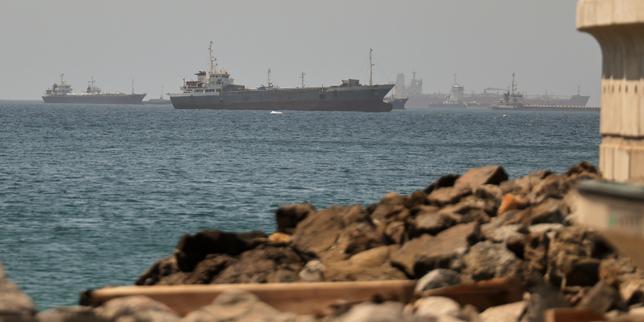
EN DIRECT, guerre au Moyen-Orient : pour la première fois depuis deux mois, des pétroliers iraniens ont franchi la zone du blocus américain Trois pétroliers de la National Iranian Tanker Company, chargés au total de 4,8 millions de barils de pétrole brut, ont franchi le périmètre du blocus, selon le site de suivi TankerTrackers. Les Etats-Unis et lIran doivent signer, vendredi en Suisse, leur protocole daccord pour mettre fin au conflit, avec la réouverture du détroit dOrmuz en ligne de mire.
le monde · 3 months ago

Israel preparing for prolonged Lebanon presence despite US-Iran agreement The Israeli army is preparing for a prolonged presence in Lebanon despite a US-Iran agreement that ended the war across multiple fronts, Israeli media reported. The army is "ready to remain in Lebanon for a long period" if instructed, even as Washington and Tehran move toward signing the agreement on Friday.
yenisafak · 3 months ago
Iran to receive immediate oil sanctions waivers under US-Iran deal, WSJ reports Iran will be allowed to immediately sell oil and fuel under the US-Iran deal, with sanctions waivers taking effect upon signing, the Wall Street Journal reported. The waivers also cover banking, transportation, and insurance services needed to facilitate transactions.
yenisafak · 3 months ago
Armatorii nu se grăbesc să se întoarcă în Strâmtoarea Ormuz, în ciuda acordului dintre SUA și Iran Este puțin probabil ca marile companii de transport maritim să reia tranzitul prin Strâmtoarea Ormuz în următoarele săptămâni, până când nu vor fi siguri că acordul dintre Statele Unite și Iran va fi respectat, relatează Financial Times, citându-l pe Jotaro Tamura, directorul general al Mitsui OSK Lines, cel mai mare operator de petroliere din lume.
digi24 · 3 months ago
Carburanti: benzina a 1,88 euro al litro, è il prezzo più basso dal 2 maggio I passi avanti verso un accordo definitivo tra Usa e Iran, e quindi la riapertura dello Stretto di Hormuz, stanno spingendo verso il basso il prezzo del petrolio (il Brent...
il sole 24 ore · 3 months ago

Le président Trump a perdu la guerre en Iran : léditorial du New York Times En se lançant tête baissée dans un nouveau conflit au Moyen-Orient, le président des États-Unis a fait subir à son pays une humiliante défaite, affirme le quotidien de centre gauche. Laccord auquel il a dû se résoudre pour solder la guerre, encore flou, entérine selon toute apparence la victoire stratégique de lIran.
courrier international · 3 months ago
EN DIRECT - Moyen-Orient : les premiers pétroliers iraniens ont franchi le détroit dOrmuz Les Etats-Unis et lIran signeront vendredi en Suisse leur protocole daccord pour mettre fin à la guerre au Moyen-Orient, point de départ de deux mois de négociations, avec comme première étape la réouverture très attendue du détroit dOrmuz.
liberation · 3 months ago
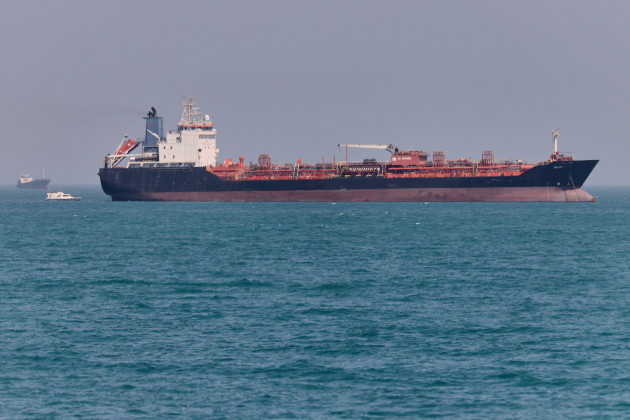
Iranian tankers exit US blockade zone ahead of peace talks The United States will reportedly allow Iran to immediately begin selling oil and fuel under the deal to end the war on Friday.
thejournal · 3 months ago
Website logs first Iranian crude export in two months According to TankerTrackers.com, three Iranian oil tankers carrying a total of 4.8 million barrels of crude oil have passed a U.S. blockade in the Strait of Hormuz, marking Irans first crude export in two months. This occurs two days before the U.S. and Iran are expected to begin talks in Switzerland on a peace agreement, […]
cphpost · 3 months ago
Irans First Oil Exports In Months Leave Strait Of Hormuz, Says Monitor As the US-Israeli war with Iran continues to impact and shape the region, journalists from RFE/RLs Central Newsroom and Iranian service, Radio Farda, deliver ongoing updates and analysis.
radio free europe · 3 months ago
Einreise-Streit mit dem Iran: USA bleiben bei harter Regelung für WM-Fußballer Nach dem Remis gegen Neuseeland beklagen Irans Spieler die strikten US-Einreise-Regeln. Der WM-Beauftragte der Trump-Regierung bleibt jedoch bei der harten Linie und verweist auf klare Vorgaben.
tagesspiegel · 3 months ago
KI-gestützte Zielfestlegung: Pentagon setzte Musks Chatbot Grok beim Iran-Krieg ein Elon Musks KI-Unternehmen xAI sieht sich einer Umwelt-Klage in Tennessee ausgesetzt. Die US-Regierung springt dem Konzern nun zur Seite: xAI sei im Iran-Krieg für 2000 Angriffe der US-Armee genutzt worden.
tagesspiegel · 3 months ago
+++ Iran-Krieg +++: Kabinett will kommende Woche offenbar Einsatz in Straße von Hormus beschließen Trump kritisiert israelisches Vorgehen im Libanon +++ US-Friedensabkommen erlaubt Iran offenbar sofortigen Ölverkauf +++ Trump offen für Prüfung von Iran-Abkommen durch US-Kongress +++ Der Newsblog.
handelsblatt · 3 months ago
US denies Israel access to Iran agreement, Israel unaware of full details The United States rejected an Israeli request to review a memorandum of understanding reached with Iran, leaving Israel unaware of the agreements full details, Israeli media reported. The agreement is expected to be signed in Switzerland on Friday.
yenisafak · 3 months ago
Vance says Trump never aimed to install Irans Pahlavi US Vice President JD Vance has clarified that President Donald Trump never sought to install Reza Pahlavi as Irans leader, emphasising that Washingtons objectives were focused on ending Tehrans nuclear programme through diplomacy or military action. Vance described the US-Iran memorandum as a regional peace framework with conditional economic benefits.
yenisafak · 3 months ago
US Senate rejects Iran war powers resolution after deal The US Senate has narrowly blocked a war powers resolution aimed at ending military hostilities against Iran, with the 47-48 vote marking the first such action since Washington and Tehran announced a framework agreement. Four Republicans joined Democrats in supporting the measure, while one Democrat opposed it.
yenisafak · 3 months ago
Pope Leo voices hope US-Iran deal can end war Pope Leo has expressed cautious optimism over the US-Iran memorandum of understanding, urging continued dialogue over a return to conflict. The pontiff said the agreement could be "truly a solution to the war" while also calling for compassionate approaches to migration and respect for human dignity.
yenisafak · 3 months ago
Iran military warns Israel over Lebanon ceasefire violations Irans military command has warned Israel of a "strong response" if attacks in southern Lebanon persist, accusing Israeli forces of violating the ceasefire 84 times in just two days. The warning comes despite a US-Iran memorandum aimed at ending regional hostilities, with Israeli officials indicating operations will continue.
yenisafak · 3 months ago
Israeli media slams Netanyahu as humiliated by Trump Israeli analysts have launched scathing attacks on Prime Minister Benjamin Netanyahu following the US-Iran agreement, describing him as a "failure" and "liar" who was "humiliated" by President Trump. Columnists said Netanyahu was excluded from the deal and left unaware of its details, marking a "colossal strategic failure" for Israel.
yenisafak · 3 months ago
Irans Torabi receives new US visa, cleared to rejoin World Cup team Irans winger Mehdi Torabi has received a new multiple-entry US visa and is now cleared to rejoin Irans national team for the remainder of the World Cup, the teams media department announced. Torabis previous visa was issued for a single entry only.
yenisafak · 3 months ago
Trump says Strait of Hormuz will be fully open, toll-free by Friday President Trump said the Strait of Hormuz would be fully reopened by Friday and remain open to shipping toll-free on a permanent basis. He also said he would release the peace deal document with Iran and send it to Congress for review.
yenisafak · 3 months ago
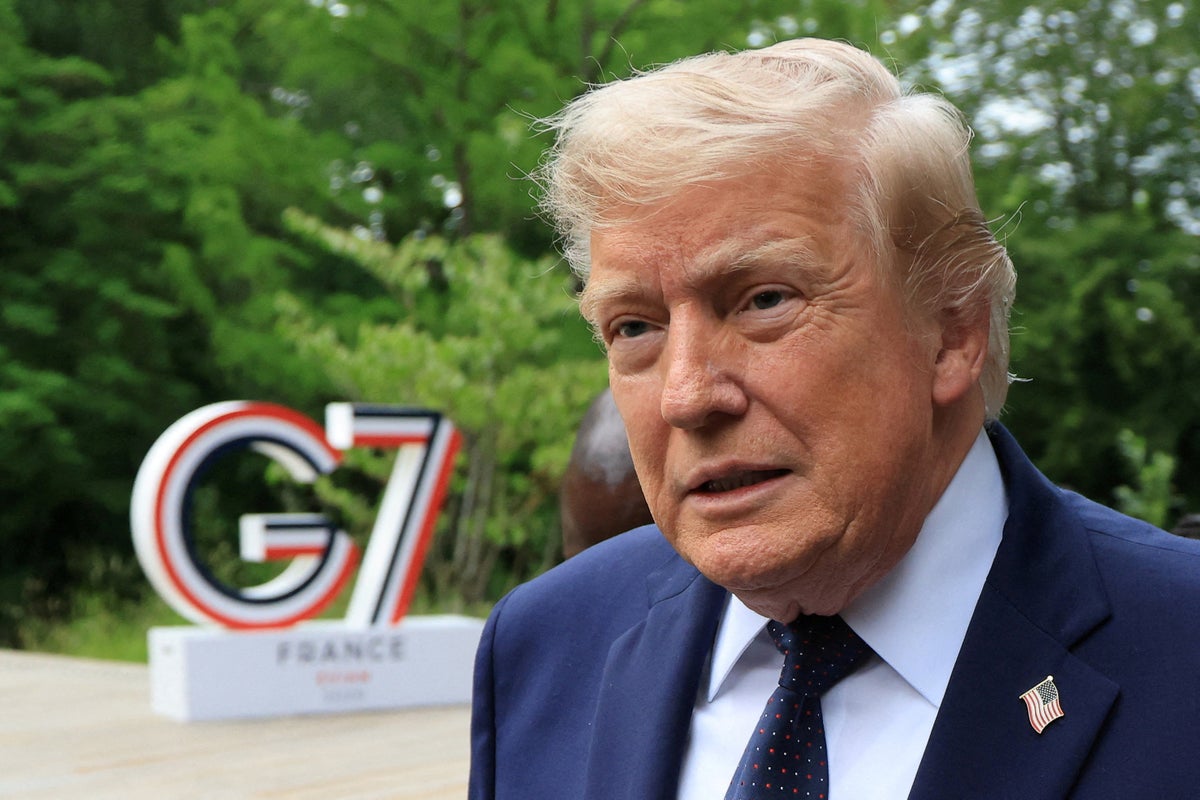
Iran-US war latest: Trump hopes to put war in rearview mirror and says Strait of Hormuz will stay toll-free Reports suggest the deal would appear to offer Iran major concessions that would boost its economy
independent · 3 months ago
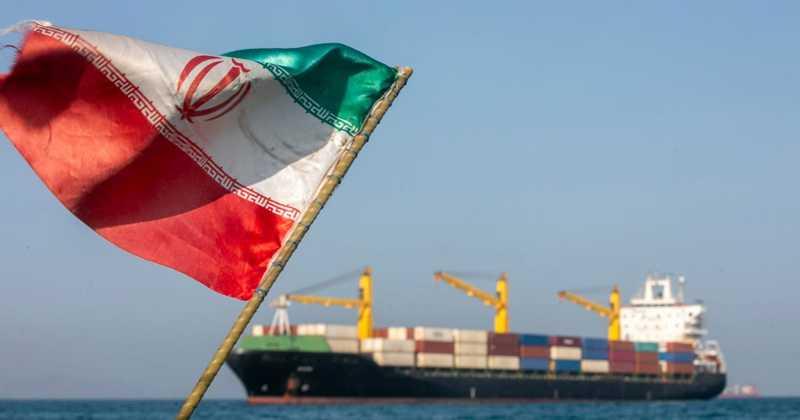
All the ways the US-Iran deal wont fix Europes energy problemsTwelve million barrels of oil a day wont magically reappear on the market even if the pact holds. #News #Iran #Europe #Kpler
mastodon bot · 3 months ago
Middle East war live: Israel strikes southern Lebanon after Iran threatens harsh response Israel hit southern Lebanon with air strikes again on Wednesday, Lebanese state media reported. Tehran on Tuesday had said that the tentative deal struck with the US to end the US-Israeli war on Iran would require Israel to pull its troops out of Lebanon, and threatened a harsh response to Israels ongoing military offensive in the countrys south. Follow our liveblog for all the latest updates.
france24 · 3 months ago
Middle East live: US-Iran memorandum details to be released soon Some details of the memorandum of understanding aimed at ending the war between the United States and Iran began emerging on Tuesday, with US President Donald Trump describing it as a "fair deal." French President Emmanuel Macron said in a video posted on X that the agreement was "a good thing." Follow our liveblog for all the latest developments. 👉 Read more:
telegram bot · 3 months ago
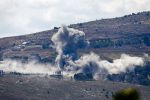
Iran droht Israel nach Angriffen im Libanon mit "harter Reaktion" Die zweite Phase der Verhandlungen beginnt laut US-Präsident Trump. Die USA und der Iran einigten sich auf ein Abkommen
der standard · 3 months ago