 Saturday, July 4Saturday, July 4
2 years · 6 summary articles
President Donald Trump escalated transatlantic trade tensions on Friday by threatening to impose 100 percent tariffs on all goods imported from European Union member states if they proceed with plans to implement a digital services tax targeting American technology companies. The US president warned that the punitive measures would take effect immediately and override existing trade agreements, including the 2025 US-EU accord that capped import tariffs at 15 percent.
Speaking on Friday, Trump declared that any EU country adopting a digital services tax on US firms would face the unprecedented levy, framing the move as a retaliatory strike against what he described as discriminatory economic policies. “We will impose a 100 percent tariff on all goods from those countries,” he stated, adding that existing trade deals would be “cancelled” upon implementation of the tax. The threat follows a July 4 deadline set by the EU for the US to reduce tariffs on European goods, which has now been met with this aggressive countermeasure.
European officials reacted swiftly to the announcement. The European Commission issued a statement rejecting the US threats as “unjustified unilateral measures against legitimate policies,” vowing to respond “quickly and with determination” if the tariffs are imposed. EU trade ministers have been discussing the digital services tax for months, with several member states—including France, Italy, and Spain—moving toward adoption amid growing frustration over the tax practices of major US tech firms such as Google, Meta, and Amazon.
The escalation comes at a delicate moment for EU-US relations, already strained by ongoing disputes over subsidies for electric vehicles and agricultural trade. Analysts warn that the proposed tariffs could derail fragile negotiations and trigger a broader trade war, with ripple effects on global supply chains and consumer prices. “This is a dangerous escalation,” said Maria Andersen, a senior fellow at the Brussels-based Centre for European Policy Studies. “The EU has every right to tax digital services, and Trump’s response sets a worrying precedent for future trade conflicts.”
The US president’s latest move underscores his administration’s combative approach to international trade, which has already seen tariffs imposed on steel, aluminum, and agricultural products from multiple regions. Critics argue that the 100 percent tariff threat—effectively doubling the cost of European imports—could backfire, harming American consumers and businesses that rely on EU goods. Meanwhile, supporters of the digital services tax in Europe defend it as a necessary measure to ensure fair taxation of multinational corporations operating within their borders.
As of Saturday, 27.06.2026, no EU member state has yet implemented the digital services tax, but several are expected to proceed with legislation in the coming months. The standoff leaves businesses on both sides of the Atlantic in limbo, awaiting further clarification on whether Trump’s threat will materialize into action.
Follow us for live European news
4 further sources not geolocated

Trump threatens 100 tariffs on digital services taxes US President Donald Trump on Friday threatened to impose 100 tariffs on all goods from countries adopting digital services taxes targeting American firms, saying the punitive measure would override existing trade agreements immediately upon implementation.
yenisafak · 7 days ago
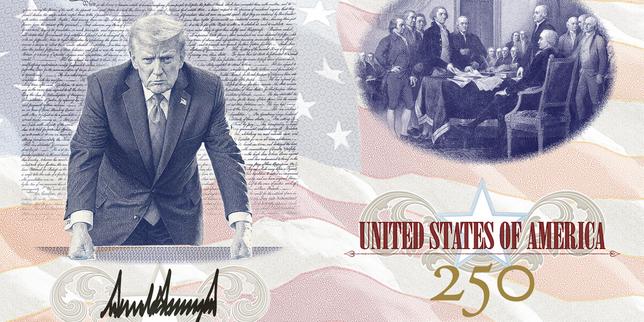
Donald Trump lance un passeport américain en édition limitée à son effigie Pour les 250 ans de la Déclaration dindépendance, le président a lancé le « Passeport Patriote ». Une annonce qui sinscrit dans une série de décisions visant à apposer son empreinte sur de nombreux bâtiments ou symboles des Etats-Unis.
le monde · 7 days ago
Trump blasts godless Democrats in incendiary speech to evangelicals U.S. President Donald Trump accused the Democratic left of being "hardcore, godless communists" in a divisive, politicized speech Friday about his perceived foes as he addressed evangelicals at…
japantoday · 7 days ago
Vance: Watergate would be 12-hour news story today US Vice President JD Vance said on Thursday that the Watergate scandal which forced President Richard Nixons resignation in 1974 would have been merely "a 12-hour news story" in todays media landscape, drawing parallels between the former presidents treatment and what he characterized as institutional efforts to undermine Donald Trump.
yenisafak · 7 days ago
Trump adviser-turned-critic John Bolton pleads guilty to mishandling classified documents John Bolton, a former national security adviser for U.S. President Donald Trump who became one of his fiercest critics, pleaded guilty in federal court on Friday to mishandling…
japantoday · 7 days ago
Press Secretary - Trump Archives - The Last Refuge
gdeltproject.org · 7 days ago
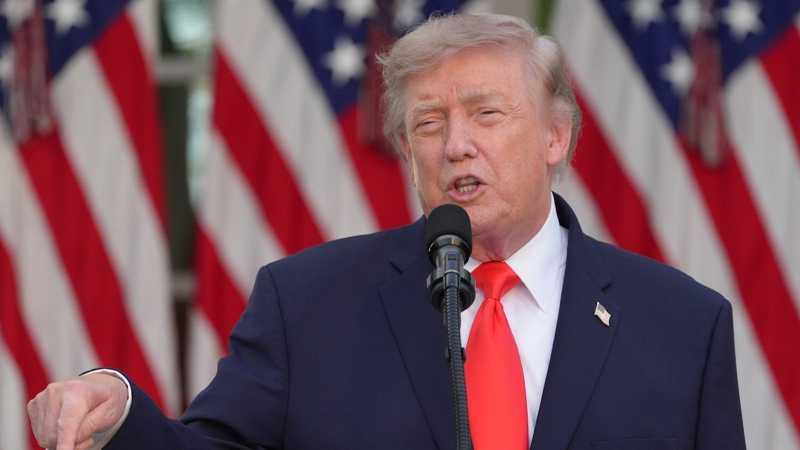
Trump threatens 100 tax on European importsPresident Donald Trump is threatening a 100 tariff on imports from any country that imposes a tax on digital services provided by United States companies #News #Trump #European #EU
mastodon bot · 7 days ago
Trump visar upp nya passet Trump har visat de nya amerikanska passen – med hans porträtt i.USA:s nya pass, som säger välkommen, men uppför dig!, skriver Trump på Truth Social.
expressen · 7 days ago
Trump Threatens 100 Tariffs on Countries Imposing Digital Tax. What Does It Mean for India?
gdeltproject.org · 7 days ago
Kritiseras för osund relation till Trump Natalie Harp, en nära medhjälpare till Donald Trump, kritiseras av sin egen bror för hennes relation med USA:s president.– Mycket osunt, säger brodern Preston Harp till Daily Mail. Trump ska ha sagt hon kommer aldrig att lämna mig om Natalie Harp.
expressen · 7 days ago
Trumps plan för poströsterna stoppas Donald Trump försökte förmå det amerikanska postverket att inte leverera alla poströster.Postchefen gick med på kravet.Nu stoppar en federal domare projektet.
expressen · 7 days ago
Trump amenință UE cu tarife vamale de 100 dacă taxează serviciile digitale ale companiilor americane: „Va fi impus imediat Președintele SUA, Donald Trump, amenință că va impune o taxă vamală de 100 țărilor europene care taxează serviciile digitale, adăugând că acordurile comerciale existente vor fi anulate, relatează Euronews.
digi24 · 7 days ago

🔴 BREAKINGTrump threatens 100 tariff on European nations over tech taxPresident Trump has threatened to impose a 100 tariff on numerous European countries. This aggressive trade measure is a direct response to discussions among these nations regarding the implementation of a new digital services tax on US technology companies.📰 #EU #Sanctions #Geopolitics #GeoWire
mastodon bot · 7 days ago
Oud-veiligheidsadviseur VS geeft toe dat hij info lekte en riskeert celstraf De voormalige Amerikaanse veiligheidsadviseur John Bolton heeft toegegeven dat hij geclassificeerde informatie heeft doorgespeeld. Bolton, die inmiddels een grote criticus is van de Amerikaanse president Donald Trump, krijgt een miljoenenboete. Mogelijk krijgt hij later een celstraf.
nu.nl · 7 days ago
Opinion | The Low-Tax Case for Tariffs The experience of the Trump trade policy confirms that the optimal rate for levies on imports is greater than zero.
wsj · 7 days ago
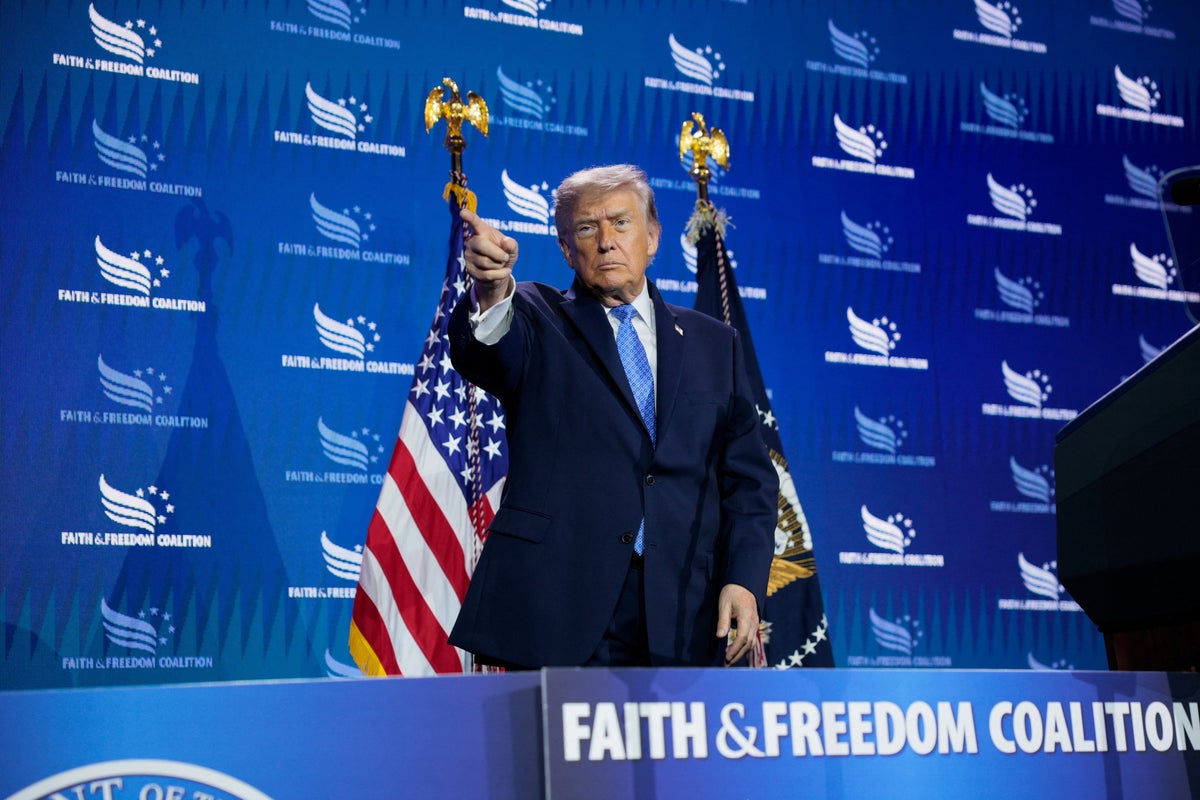
Greatest threat: Trump lets his foes and communists have it in fiery return to shooting scene President signals intent to make national election about three House candidates in New York
independent · 7 days ago
Looking into the Reflecting Pool: We examined Trumps vandalism claims Examining Trumps claims of Reflecting Pool vandalism
politifact · 7 days ago
Donald Trump sa vyhráža 100-percentnými clami, EÚ je pripravená rýchlo reagovať Donald Trump varuje Európu pred digitálnou daňou a sľubuje stopercentné clá na všetok dovoz z dotknutých krajín. Je pripravený zmietnuť existujúce obchodné dohody.
aktuality.sk · 7 days ago

Mais où est passé Donald Trump au Mondial ? Donald Trump na assisté à aucune rencontre disputée aux États-Unis. ...
la libre · 7 days ago
Trump threatens 100 tariff on any country that imposes digital services tax U.S. President Donald Trump threatened on Friday a 100 tariff on all goods from any country that imposes a digital services tax on American companies, inflaming transatlantic trade tensions a day after European Union countries met Trumps July 4 deadline to cut tariffs on U.S. goods. Numerous European Countries have been discussing the imminent implementation […]
cyprus mail · 7 days ago
Trump threatens 100 tariffs on Europe if countries impose tax on US digital services US President Donald Trump threatened Friday to impose 100 percent tariffs on European countries that implement a digital services tax, even if it means canceling existing trade agreements. 👉 Read more:
telegram bot · 7 days ago
Trump amenință Uniunea Europeană cu taxe vamale de 100 dacă taxează serviciile digitale ale companiilor americane Președintele SUA, Donald Trump, a anunțat vineri, 26 iunie, că va impune taxe vamale de 100 asupra produselor importate din orice stat care aplică o taxă pe serviciile digitale (Digital Services Tax) companiilor americane din sectorul tehnologic.
adevarul · 7 days ago

🟠 UPDATETrump threatens tariffs on countries with digital taxesTrump specified 100 tariffs on European countries and stated he would cancel existing trade agreements if digital services taxes are imposed.📰 #EU #Geopolitics #GeoWire
mastodon bot · 7 days ago

⚡ NEWSTrump threatens tariffs on countries with digital taxesDonald Trump has threatened to impose tariffs on nations that levy digital taxes or regulations on US technology firms, signaling an aggressive stance against international fiscal measures targeting American tech companies.📰 #Markets #Geopolitics #GeoWire
mastodon bot · 7 days ago
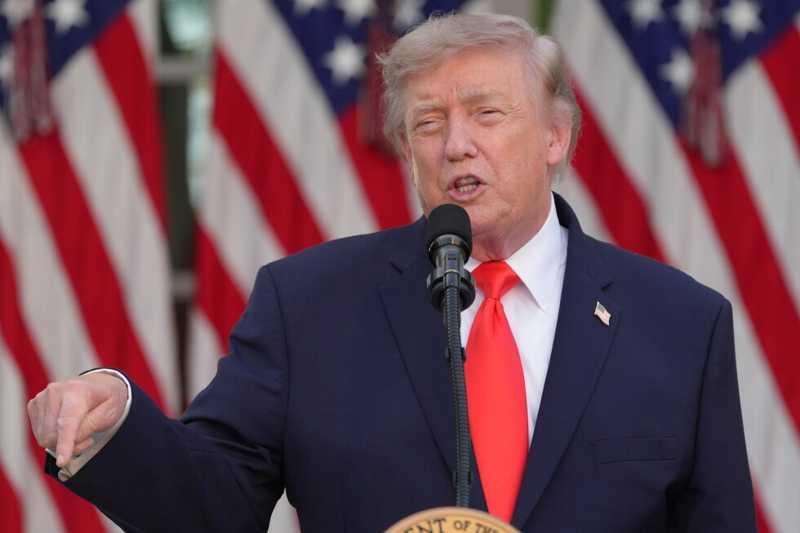
Trump threatens 100 tax on European imports if countries impose tax on digital servicesPresident Donald Trump is threatening a 100 tariff on imports from any country that imposes a tax on digital services provided by United States companies. #News #Trump #European #EU
mastodon bot · 7 days ago

🟠 UPDATETrump threatens tariffs on countries with digital taxesTrump specified 100 tariffs on European countries and stated he would cancel existing trade agreements if digital services taxes are imposed.📰 #EU #Geopolitics #GeoWire
mastodon bot · 7 days ago
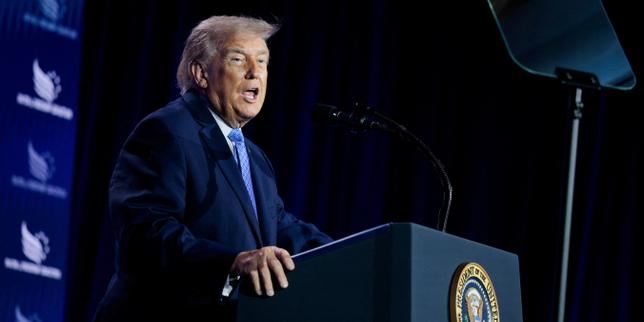
Donald Trump menace de droits de douane de 100 les pays qui mettraient en place une taxation des services numériques Ce coup de pression arrive au lendemain de laccord formel donné par les pays de lUnion européenne à un accord commercial négocié en 2025 avec les Etats-Unis, qui prévoit un plafonnement à 15 des taxes prélevées sur les importations européennes.
le monde · 7 days ago
+++ US-Zollpolitik +++: Trump droht europäischen Staaten wegen Digitalsteuern mit 100-Prozent-Zöllen EU weist Trump-Drohung zurück +++ EU-Abgeordnete stimmen Umsetzung des US-Zolldeals zu +++ Gericht: USA dürfen globale Zölle vorerst weiter erheben +++ Der Newsblog.
handelsblatt · 7 days ago
EU moves to bring Amazon, Microsoft cloud under tougher rules The European Commission has taken a preliminary step to designate Amazon Web Services and Microsoft Azure as gatekeepers under the Digital Markets Act, citing their dominant positions in the EU cloud market despite not meeting standard thresholds. EU tech chief Henna Virkkunen said cloud services must operate in fair, open and competitive markets.
yenisafak · 7 days ago
Trump amenință UE cu tarife vamale de 100 dacă taxează serviciile digitale ale companiilor americane: „Va fi impus imediat Președintele SUA, Donald Trump, amenință că va impune o taxă vamală de 100 țărilor europene care taxează serviciile digitale, adăugând că acordurile comerciale existente vor fi anulate, relatează Euronews.
digi24 · 7 days ago