 Friday, July 3Friday, July 3
7 months · 32 summary articles
British Prime Minister Keir Starmer told US President Donald Trump on Saturday that London backs Washington’s diplomatic push to end the war with Iran, as the two leaders prepare for next week’s G7 summit in France. Speaking on the eve of the high-stakes gathering, Starmer stressed the need for a “durable and lasting peace” in the Middle East, underscoring the urgency of coordinated Western action amid escalating regional tensions.
The call came as Trump prepares to meet Middle East partners on the sidelines of the G7 in France, where Iran’s ongoing conflict and its economic fallout will dominate discussions. European capitals are increasingly alarmed by the risk of a broader regional escalation, with the European Central Bank and Bank of England now weighing “two possible mistakes” in their real-time response to potential inflation spikes triggered by the crisis.
Meanwhile, the Trump administration has confirmed plans for a major NATO drawdown in Europe, including the withdrawal of US jets, tankers, bombers, and warships, a move that has sent shockwaves through European defence circles. The decision, reported by multiple sources, signals a significant shift in Washington’s military posture on the continent and raises questions about the future of transatlantic security commitments.
In a separate development, Canadian Prime Minister Mark Carney and Irish Prime Minister Micheál Martin agreed on Saturday to deepen bilateral cooperation on trade, investment, security, and technology during talks in Dublin. The two leaders described the new framework as “practical, forward-looking, and action-oriented,” aligning with Ireland’s upcoming presidency of the Council of the EU, which begins on 1 July.
Carney’s push for “middle-power solidarity” has gained traction among European and Australian diplomats, who see it as a potential counterbalance to rising geopolitical fragmentation. The strategy is expected to feature prominently at the G7, where smaller and mid-sized economies may seek to coordinate responses to global challenges, from AI dependency to energy security.
The geopolitical shifts extend beyond Europe, with reports that Washington’s export controls on AI firm Anthropic have exposed the EU’s vulnerability in critical technology. European politicians are now calling for accelerated development of homegrown AI models to reduce dependence on US suppliers.
Against this backdrop, a joint statement by the leaders of France, the United Kingdom, Germany, and Ukraine reaffirmed their commitment to regional stability, though the document’s precise terms remain undisclosed. The statement follows weeks of high-level consultations as Europe grapples with the dual pressures of security threats and economic uncertainty.
Follow us for live European news
4 further sources not geolocated

Το stress test της ΕΚΤ για την ευρωζώνη: Τι «τρόμαξε» την Λαγκάρντ και αύξησε τα επιτόκια Η πρόβλεψη για πετρέλαιο στα 166 δολάρια που κρατά την Ευρώπη σε αγωνία αν έχουμε δει τα χειρότερα ή βρισκόμαστε στην αρχή
protothema · 20 days ago
Τουρκικά ΜΜΕ για τη συμφωνία του EMEC: «Αντιτουρκικό μέτωπο», «οι Έλληνες χρειάζονται ένα οθωμανικό χαστούκι» Αντιδράσεις στην Άγκυρα για την συμφωνία Ελλάδας, Κύπρου, Ισραήλ και ΗΠΑ για τη δημιουργία του Κέντρου Ενέργειας Ανατολικής Μεσογείου
protothema · 20 days ago
Brno, bude plno. Hotely jsou díky MotoGP obsazené i přes násobně vyšší ceny, plní se také kempy Desítky tisíc lidí z celé Evropy přijedou o víkendu 19.–21. 6. do Brna na závody MotoGP. To přinese nápor nejen na dopravu, ale také na ubytovací zařízení. Některé hotely hlásí plno, tisíce návštěvníků závodů často využívají i kempy v okolí Masarykova okruhu.
irozhlas.cz · 20 days ago
Trumps Machtlosigkeit: Wer fürchtet noch die Supermacht USA? Iran, Israel, Europa: Immer mehr Länder widersetzen sich den USA. Der Grund liegt weniger in Amerikas schwindender Macht als in Trumps sprunghafter Diplomatie, meint Sicherheitsforscher Peter Neumann.
tagesspiegel · 20 days ago
Diplomatie: Selenskyj kündigt Reisen zu Gipfeln von G7, EU und Nato an Kiew hofft auf Fortschritte beim Abschluss eines Abkommens. Auf drei Gipfeltreffen von Staats- und Regierungschefs will Selenskyj auf mehr Geld und schärfere Sanktionen gegen Russland drängen.
handelsblatt · 20 days ago
Food waste drives methane crisis, experts tell Zero Waste Forum Global FoodBanking Network officials told Anadolu that food waste accounts for roughly one-fifth of global methane emissions and 8-10 percent of total greenhouse gases, urging world leaders to place waste reduction at the center of COP31 negotiations as Türkiye prepares to host the climate summit.
yenisafak · 20 days ago
IAEA says Zaporizhzhya plant reconnects to grid after line repair The International Atomic Energy Agency announced Saturday that the Zaporizhzhya Nuclear Power Plant has resumed grid connection following repairs to its backup power line, ending an outage that forced operators to rely on emergency diesel generators for nearly three days.
yenisafak · 20 days ago
Canada, Ireland agree new cooperation framework in Dublin Canadian Prime Minister Mark Carney and Irish Prime Minister Micheal Martin agreed on Saturday to deepen bilateral cooperation on trade, investment, security and technology during talks in Dublin, establishing what they described as a "practical, forward-looking, and action-oriented framework" ahead of Irelands presidency of the Council of the EU beginning July 1.
yenisafak · 20 days ago
Starmer tells Trump UK backs US push to end Iran war British Prime Minister Keir Starmer told US President Donald Trump on Saturday that London supports Washingtons diplomatic push to end the war with Iran, stressing the need for a durable and lasting peace as the two leaders prepared for next weeks G7 summit in France.
yenisafak · 20 days ago
Karol Nawrocki se va întâlni cu Trump pentru a treia oară într-un an. Avertismentul lui Donald Tusk: „Să nu se lase prins în cușcă Prim-ministrul Poloniei, Donald Tusk, i-a adresat un „apel insistent preşedintelui Karol Nawrocki, pentru ca acesta „să nu se lase prins în cuşcă (capcană) în timpul noii sale vizite în SUA, a treia pe care o face în decurs de aproape un an, o referire cu dublu sens, dat fiind că liderul polonez, fost boxer, va participa la gala UFC de lupte în cuşcă organizată la Casa Albă.
digi24 · 20 days ago
Keir Starmers new EU deal savaged as astonishingly bad for Britain
gdeltproject.org · 20 days ago
Experts discuss NATOs future, Türkiyes strategic role ahead of Ankara summit
gdeltproject.org · 20 days ago
Trump administration plans major NATO drawdown of U.S. jets, tankers, bombers and warships in Europe
gdeltproject.org · 20 days ago
How to become Britains next prime minister Can Andy Burnham become Britains next prime minister? POLITICO maps every major route to No. 10 Downing Street after the Makerfield by-election, and every path that could keep Keir Starmer in power.
politico.eu · 20 days ago

Vstup Ukrajiny do #EU bude dlouhý a složitý proces, prohlásil maďarský premiér. Péter Magyar uvedl jako příklad Černou Horu: přístupová jednání začala v roce 2012, ale země dosud není členem Evropské unie. Upozornil také, že pokud Kyjev nesplní své závazky týkající se práv maďarské menšiny na Ukrajině, nebude moci pokročit v procesu vstupu do EU. Na tento proces bude dohlížet Evropská komise. Maďarský premiér již dříve řekl
mastodon bot · 20 days ago
📰 Inside the whirlwind 24 hours that led the White House to slap export controls on AnthropicA series of tense calls between Anthropics CEO and administration officials on Friday underscore how the White House is wrestling with advanced AI models. #UKNews #Europe
mastodon bot · 20 days ago
Británia podporuje mierové snahy Trumpa. Keir Starmer privítal pokus o ukončenie vojny Britský premiér Keir Starmer podporil najnovšiu mierovú iniciatívu Donalda Trumpa voči Iránu. Londýn je pripravený prispieť k ukončeniu konfliktu.
aktuality.sk · 20 days ago
Estonias Sunly to build the most powerful hybrid energy park in the Baltics Estonian renewable energy company Sunly is building the most powerful hybrid park in the Baltic states in Latvia and is investing €100 million in to the project.
news.err · 20 days ago
USs Anthropic order exposes EUs AI dependency Washingtons export controls on Anthropic spark renewed calls for Europe to accelerate development of its own cutting-edge AI models.
politico.eu · 20 days ago
From Davos to the G7: Mark Carneys middle-power moment Diplomats from Europe to Australia say Carneys call for middle-power solidarity has captured the attention of countries looking for leverage in a harsher world.
politico.eu · 20 days ago
«Δίψα» των ξένων επενδυτών για ελληνικά assets - Προς ρεκόρ άντλησης κεφαλαίων από τις εισηγμένες στο Χ.Α το 2026 Η ελληνική αγορά αλλάζει «πίστα» και στο μέτωπο της ρευστότητας της αγοράς, μετά την πρόσδεσή της στο άρμα του Euronext και την άνοδο της στη «super league 1» των αγορών, στις ανεπτυγμένες αγορές
protothema · 20 days ago

Im afraid this is a trend, not a single incident. Time for sovereign alternatives, eg, in Europe (not only in AI). #europe #eu #ai
mastodon bot · 20 days ago
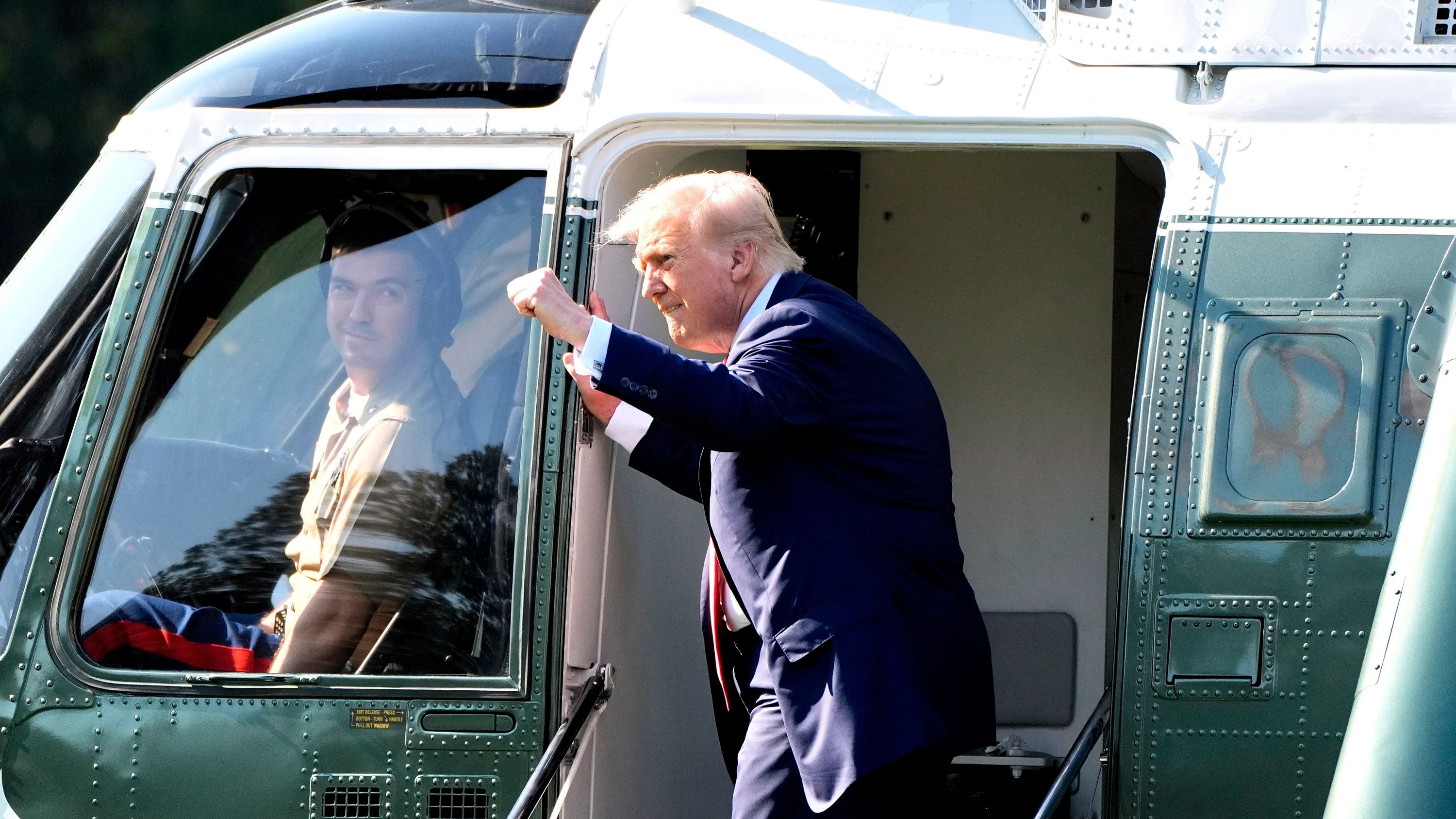
USA unter Trump: Trump plant offenbar Hubschrauberlandeplatz am Weißen Haus Liveticker zur US-Politik unter Donald Trump aktuell: Aktuelle News & Nachrichten von heute ► Jetzt lesen im Liveticker der FAZ
faz · about 2 months ago

Trump posts AI-generated image of himself beside a shackled alien
news.yahoo.com · about 2 months ago
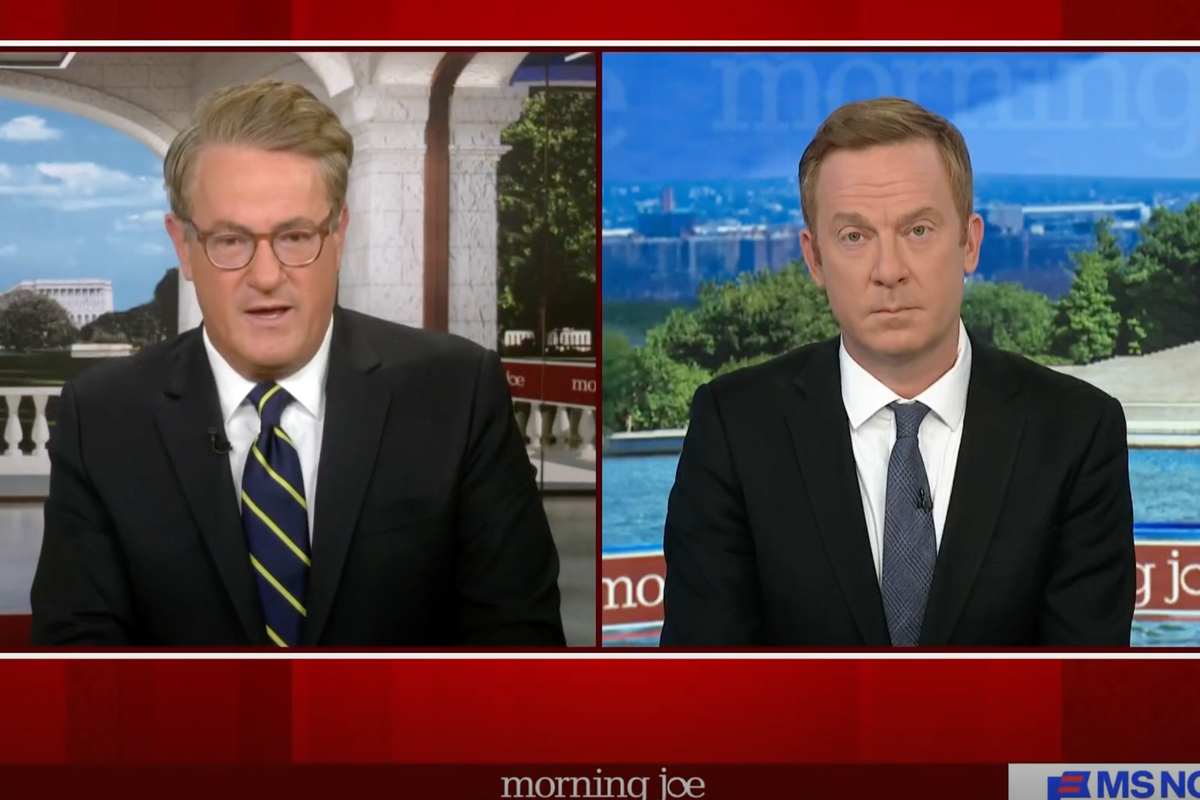
Joe Scarborough scoffs at Trump having dementia but says president is growing more erratic President Donald Trump has become more exaggerated in his personal characteristics, Morning Joe host argues, in attack on commander-in-chief for abandoning U.S. allies in Europe
independent · about 2 months ago

Kosiniak-Kamysz o decyzji Trumpa ws. żołnierzy: Trudno zaakceptować Amerykańskie władze postanowiły wycofać pięć tysięcy żołnierzy z Niemiec. Media informowały, że USA chcą doprowadzić do redukcji swoich sił w Europie, a proces ten może objąć m.in. wojska stacjonujące w Polsce.
gazeta.pl · about 2 months ago

Nowe informacje o wyjeździe Ziobry do USA. Nieoficjalnie: Tak wyglądała jego trasa Zbigniew Ziobro wyleciał do Stanów Zjednoczonych z Mediolanu 9 maja - ustaliło RadioZET.pl. Portal przekazał też, że włoskie służby podały informacje w tej sprawie Polakom.
gazeta.pl · about 2 months ago
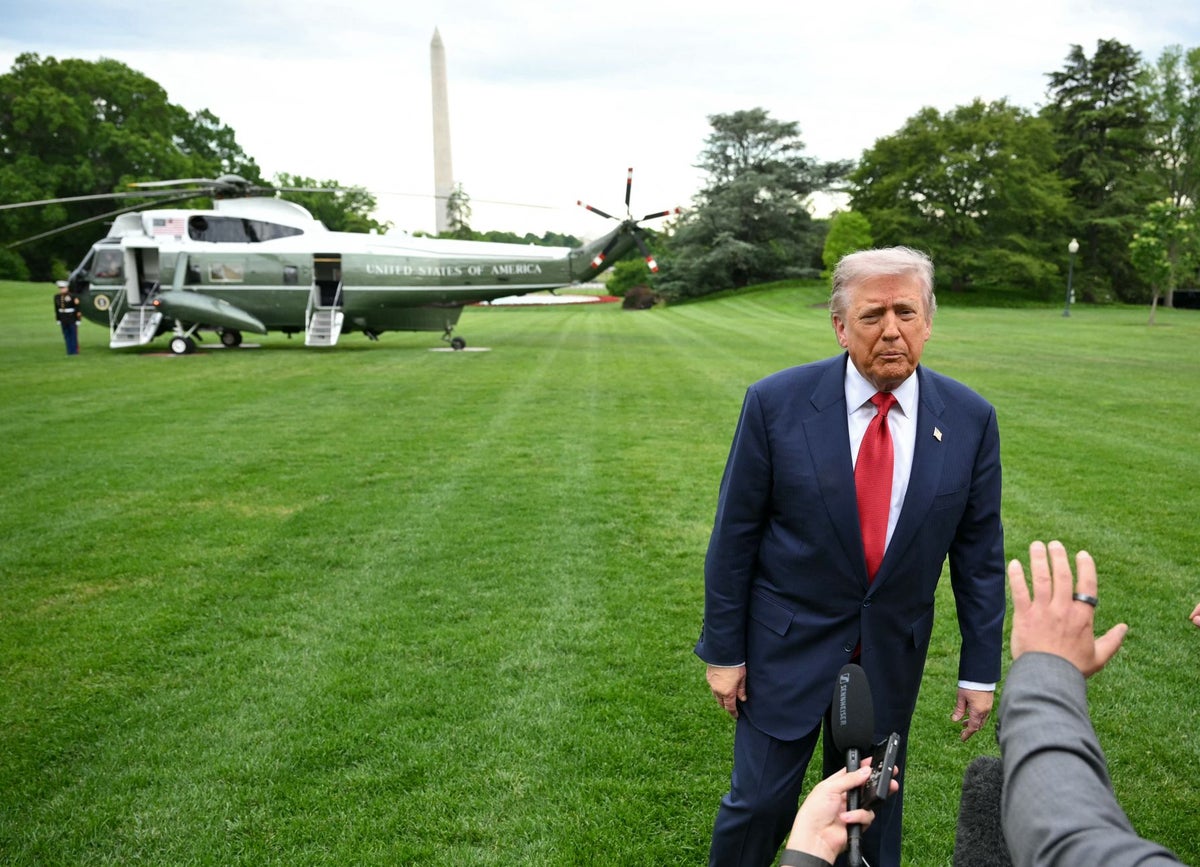
Trump plans yet another addition to the White House – now its getting a helipad The helipad, which could be installed in the coming months, is seen as a practical solution to a longstanding problem
independent · about 2 months ago
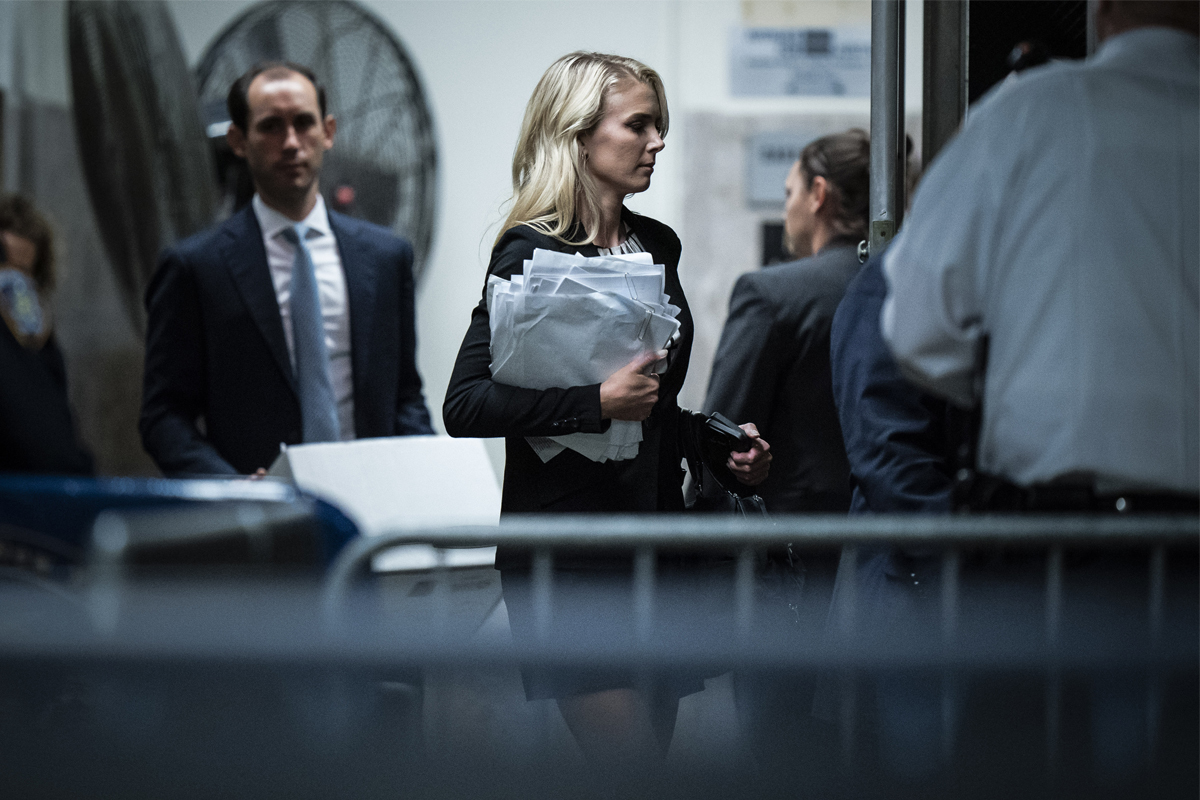
Natalie Harp, la impresora humana tras los tuits más polémicos de Donald Trump La asistente ejecutiva del presidente le enseña cada día mensajes en papel de cuentas que cree que le podrían gustar. Y publica al dictado sus mensajes en redes sociales. Accede a su cuenta, a veces fuera del horario laboral, y publica lotes de mensajes aprobados por Trump, explica la prensa estadounidense Leer
elmundo · about 2 months ago
Trump cuts to weather data could make forecasts less reliable, warn experts Use of AI is a valuable tool for weather prediction but only when its trained with ample data, experts sayAs the US prepares for hurricane season and a summer of record-breaking heat, experts fear the Trump administrations cuts to climate and weather data programming could make the federal governments weather forecasts less reliable when they are needed most.The National Oceanic and Atmospheric Administration (Noaa) late last year launched a suite of artificial intelligence-powered global weather forecast models which it said would improve speed, efficiency, and accuracy. In March, an agency official said those models are being trained with centuries of weather data. Continue reading...
theguardian · about 2 months ago