il fatto quotidiano
Ford, il paradosso cinese: Possono mandarci in rovina, ma dobbiamo collaborare Osservo ciò che sta accadendo in Europa in questo momento. Gli Stati Uniti devono essere estremamente cauti riguardo al modo in cui i produttori cinesi arrivano nel nostro Paese: parole di Jim Farley, ad della Ford, relative agli agguerritissimi costruttori della Repubblica Popolare e allimpotenza dei produttori del vecchio continente, che arrancano. Per Farley, in […]
Larticolo Ford, il paradosso cinese: Possono mandarci in rovina, ma dobbiamo collaborare proviene da Il Fatto Quotidiano.
22 days ago
eldiario.es
El Lexus ES estrena generación con versiones eléctricas además de la híbrida La berlina japonesa, a la venta desde 61.500 euros, ofrece ahora una gama más diversa junto con un planteamiento renovado en diseño, equipamiento y opciones de tracción
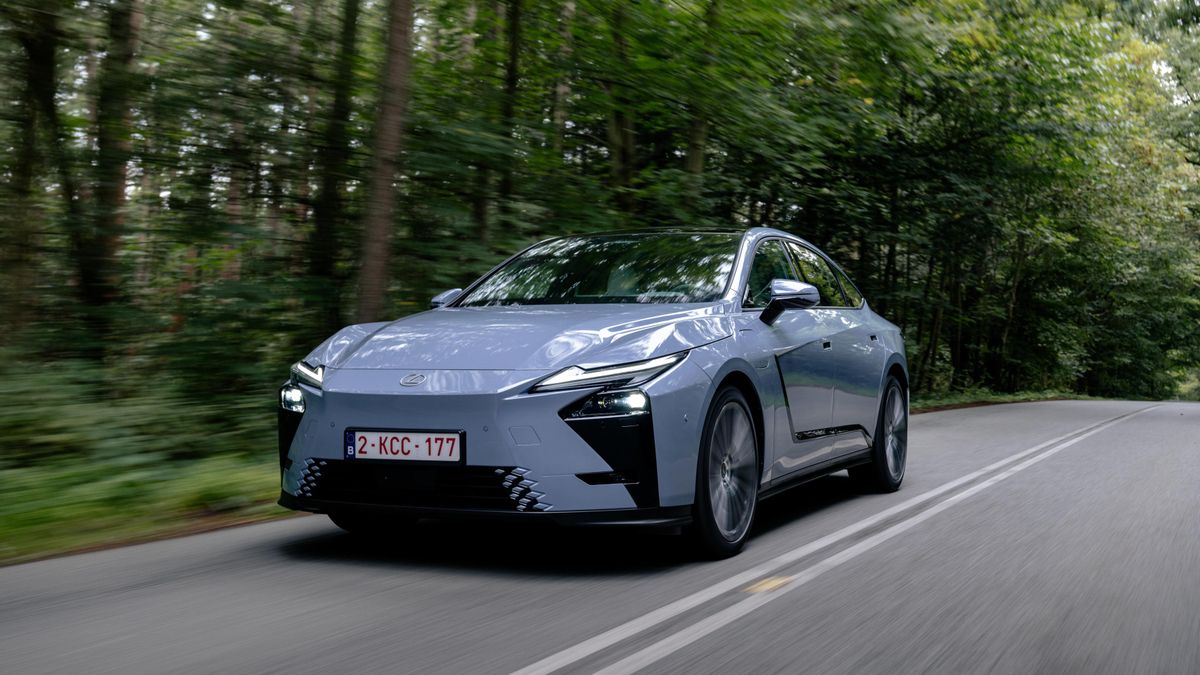
Lexus ha sometido a una profunda revisión a su berlina ES con la llegada de su octava generación, que para el usuario europeo es a efectos prácticos la segunda si tenemos en cuenta que el modelo se introdujo en el continente en 2019. La firma japonesa conserva la fórmula de gran berlina -de 5,14 metros de longitud- orientada al confort, pero amplía considerablemente su radio de acción al ofrecer, junto al conocido sistema híbrido de la marca, dos alternativas completamente eléctricas.
La renovación del ES afecta tanto a su planteamiento mecánico como al diseño, la tecnología y el equipamiento. Lexus presenta esta nueva generación como un sedán de líneas más limpias y depuradas, con un interior en el que ganan peso la digitalización y el confort, pero sin abandonar el carácter que tradicionalmente ha definido al modelo; todo ello a un precio de partida de 61.500 euros.
La principal novedad reside en una gama que combina por primera vez versiones híbridas y eléctricas. La oferta queda articulada en torno al ES 300h, que mantiene la tecnología híbrida autorrecargable de Lexus, y los nuevos ES 350e y ES 500e, ambos completamente eléctricos. De esta manera, la firma japonesa traslada al ES su estrategia multitecnológica, basada en ofrecer diferentes soluciones de electrificación dentro de una misma familia de producto.
Las líneas del sedán de Lexus son limpias y refinadas.
El ES 300h estrena, además, la sexta generación del sistema híbrido de Lexus. Combina un motor de gasolina de cuatro cilindros y 2,5 litros con una nueva transmisión y una batería de iones de litio que ahora es más compacta y ligera. Según la marca, estos cambios persiguen proporcionar una respuesta más refinada, eficiente y dinámica a un vehículo que cuenta con 196 caballos de potencia.
Otra diferencia relevante respecto al modelo precedente es la posibilidad de escoger el ES 300h con dos tipos de tracción. Junto a la configuración delantera se incorpora por primera vez en la gama ES la tracción total mediante el sistema eléctrico E-Four de Lexus.
El salto a la propulsión completamente eléctrica se materializa en dos variantes. El ES 350e dispone de 224 caballos y tracción delantera, mientras que el ES 500e, de 343 CV, recurre a la tracción integral. El primero incorpora una batería de 77 kWh que admite 22 kW en corriente alterna y hasta 150 kW en continua, donde el paso del 10 al 80 requiere 28 minutos; el segundo monta un dispositivo de 75 kWh de capacidad que acredita los mismos registros.
La llegada de estas versiones eléctricas no altera el posicionamiento del ES como una berlina pensada en buena medida para viajar con comodidad. Lexus pone el acento en la amplitud del habitáculo, la calidad de los materiales y la incorporación de equipamientos dirigidos especialmente a mejorar el confort de quienes ocupan tanto las plazas delanteras como las traseras.
El lujoso habitáculo del Lexus ES de octava generación.
El interior incorpora una pantalla multimedia de 14 pulgadas y un cuadro de instrumentos digital Lexus Digital Cockpit de 12,3 pulgadas. En el ES 300h, los asientos delanteros calefactados y ventilados forman parte del equipamiento disponible desde el acabado Signature, mientras que las versiones superiores añaden recursos como la llave digital, el sistema de asistencia al aparcamiento con visión de 360 grados, el retrovisor interior digital o el equipo de sonido Mark Levinson con 17 altavoces.
Confort por encima de todo
La atención a las plazas posteriores alcanza su máxima expresión en el acabado Omotenashi+, disponible para el ES 350e eléctrico. Esta versión incorpora una configuración especialmente orientada al confort trasero, con un asiento de tipo otomano en la plaza derecha y la posibilidad de abatir el asiento delantero del acompañante para aumentar el espacio disponible. A ello se añaden hasta cinco modos de masaje, una solución que acerca al ES a un concepto más próximo al de las berlinas de representación tradicionales.
Este acabado también puede disponer de suspensión variable adaptativa y faros delanteros MultiLed de alta resolución con iluminación adaptativa. Se trata de elementos que refuerzan el carácter más sofisticado de esta versión y que marcan distancia frente a los acabados de acceso, aunque la gama se ha estructurado de manera relativamente sencilla.
Las plazas traseras ofrecen la mayor comodidad posible a los pasajeros.
En concreto, el ES 300h híbrido se ofrece en los niveles Signature y Exclusive. El eléctrico ES 350e puede elegirse en acabados Signature y Omotenashi+, mientras que el ES 500e con tracción total se comercializa únicamente como Signature. Lexus concentra así buena parte de las diferencias entre versiones en el equipamiento y en la configuración mecánica, sin multiplicar en exceso las posibilidades.
La seguridad y los sistemas de asistencia a la conducción constituyen otro de los apartados renovados. Toda la gama incorpora de serie Lexus Safety System+ 4.0, la última evolución del conjunto de asistentes de la marca. Según Lexus, esta nueva generación mejora las capacidades de detección y de intervención ante una mayor variedad de situaciones de riesgo.
Entre los sistemas incluidos de serie figuran la detección de ángulo muerto, la asistencia de salida segura y las alertas de tráfico cruzado delantero y trasero. El objetivo es ampliar la cobertura de los asistentes tanto durante la circulación como en determinadas maniobras urbanas y de aparcamiento, ámbitos en los que este tipo de sistemas adquiere cada vez mayor peso.
La nueva gama ES arranca en 61.500 euros, precio que comparten el ES 300h Signature de tracción delantera y el ES 350e eléctrico en su versión Signature Efficiency. El híbrido con tracción total está disponible desde 64.500 euros y asciende a 69.500 en acabado Exclusive.
Detalle del tirador de puerta que incorpora la berlina japonesa.
Dentro de las variantes eléctricas, el ES 350e Signature parte de 63.100 euros, mientras que la versión Omotenashi+ alcanza los 78.500 euros y se convierte en la opción más cara de la gama. El ES 500e de tracción integral, por su parte, tiene un precio de partida de 66.100 euros. La pintura metalizada está incluida de serie, en tanto que los tonos especiales Azul Egeo y Copper Petra suponen un desembolso adicional de 750 euros.
La nueva generación del ES representa así un paso importante en la evolución de la berlina de Lexus. Más que sustituir una tecnología por otra, la marca opta por mantener varias alternativas en paralelo y deja en manos del comprador la elección entre el sistema híbrido tradicional y la propulsión 100 eléctrica. Al mismo tiempo, refuerza el equipamiento, la digitalización y el confort para mantener al ES dentro del terreno de las berlinas premium más refinadas, un segmento mucho menos multitudinario que el de los SUV pero demandado todavía por una fracción de público que no se puede ignorar.
22 days ago