Loading…
 Tuesday, September 29Tuesday, September 29
4 months · 11 summary articles
Europe braces for a volatile start to summer as extreme weather patterns collide, with meteorologists warning of violent storms, record-breaking heat, and the looming influence of a strengthening El Niño.
Romania’s National Meteorological Administration (ANM) forecasts heavy rain, hail, and thunderstorms from Sunday afternoon through Wednesday, marking the calendar start of summer with severe instability. Temperatures in June are expected to exceed seasonal norms across most of the country, though the immediate outlook remains stormy . Similar conditions are reported in Romania’s final spring day, with localized storms and hail .
The contrast between extreme heat and sudden cooling defines the continent’s current weather. The UK’s Met Office confirms the end of a record-breaking May heatwave—temperatures peaked above 35°C—after 12 water-related fatalities as crowds sought relief in rivers and lakes. Cooler Atlantic air now moves in, though the heat’s legacy lingers in public health warnings . France and Britain also reported multiple heat-related deaths during the same period, with meteorologists describing the May conditions as the hottest in decades . Meanwhile, the Netherlands saw an unusually early tropical heat surge last week, though June begins with a cooler shift .
Switzerland’s lakes reflect the heat’s intensity: 26 of the country’s 32 largest lakes hit record May surface temperatures, with Lake Murten reaching 24.6°C and Lake Geneva 23.6°C. The Swiss Federal Institute of Aquatic Science and Technology warns of rising risks from blue algae, bacteria, and parasitic cercariae, which thrive in warmer water and are expected to spread further by late summer .
Underpinning these extremes is El Niño, described by climate researchers as a "powerful storm machine" now on a record-breaking trajectory. Scientists caution against overhyping its immediate impact but stress the need for accurate forecasting to mitigate potential disasters. The phenomenon’s full force—whether a "horror show" or manageable outcome—depends on political and scientific responses in the coming months . With El Niño’s influence typically peaking in winter, its early intensification suggests a volatile second half of 2026, particularly for regions already grappling with heatwaves and erratic rainfall.
Follow us for live European news

Meteorologii anunță că prima lună de vară începe cu ploi și vijelii. De când ar putea veni canicula Vara calendaristică începe cu ploi și vijelii. De mâine după-amiază și până miercuri va ploua abundent, vor fi descărcări electrice iar în unele zone va cădea grindină. Pentru luna iunie, meteorologii anunță temperaturi peste cele normale, în cea mai mare parte a țării.
digi24 · 4 months ago
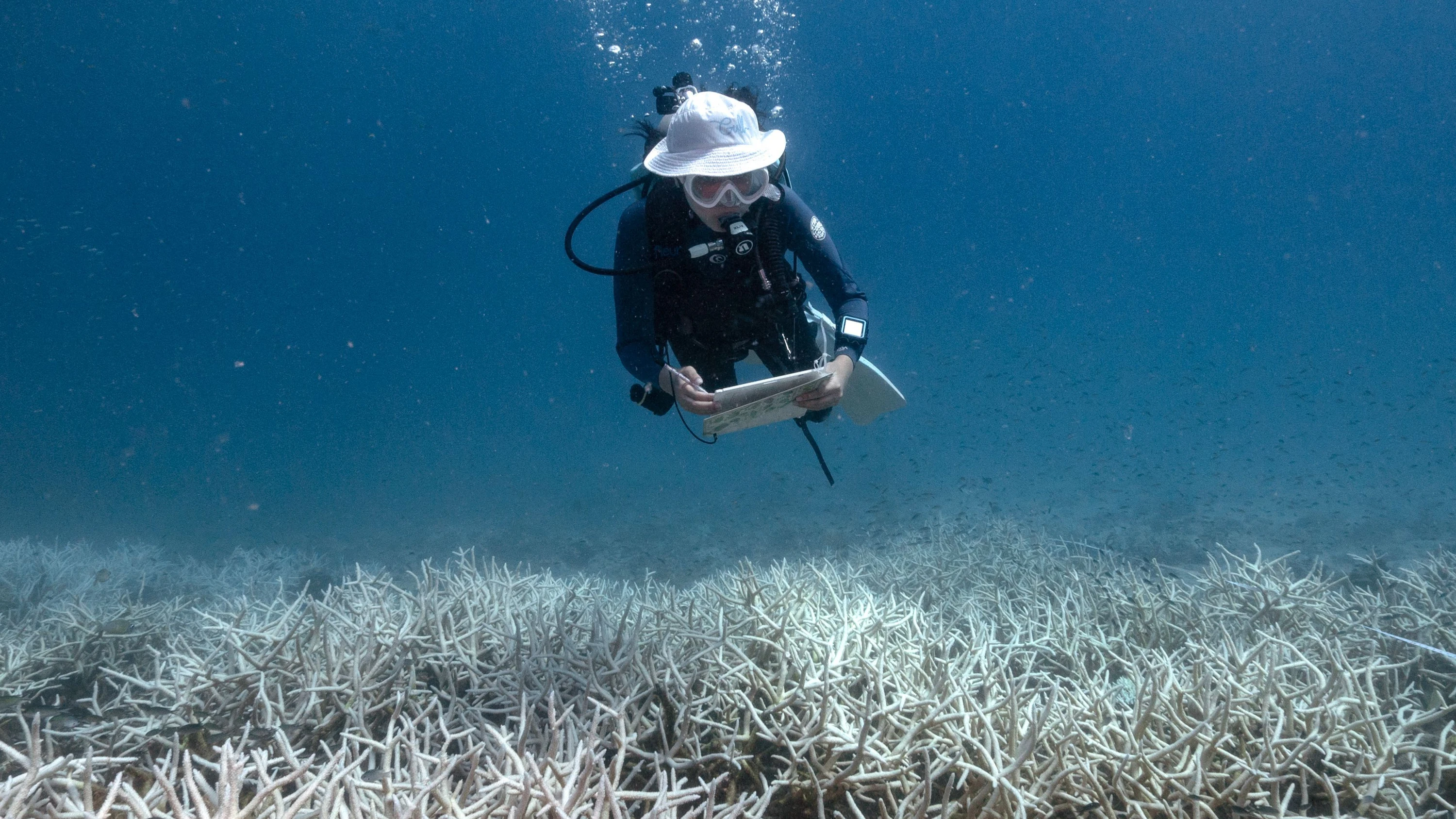
Klimaphänomen El Niño: Warum Klimaforscher vor einem Hype warnen El Niño ist eine mächtige Unwettermaschine und derzeit auf Rekordkurs. Wird sie die Politiker wachrütteln? Viel hängt von den richtigen Vorhersagen ab – und der Frage: Horrorshow oder Happy End?
faz · 4 months ago
Unusually early heat in Netherlands gives way to cooler start of June An early-season surge of tropical heat and record-breaking temperatures last week acr
nltimes.nl · 4 months ago
Many Swiss lakes hit record temperatures for May Some 26 of the countrys 32 largest lakes have seen surface temperatures never before recorded at this time of year, the Tages-Anzeiger has reported. +Get the most important news from Switzerland in your inbox Lakes Zurich, Geneva, Maggiore, Lucerne and Brienz are all affected, the Tamedia-group newspaper wrote on Saturday. On Saturday, several lakes far exceeded the 20-degree mark, with some high points reaching almost 25°C. Warmest was Lake Murten at 24.6°C. Close behind was Lake Geneva, which saw 23.6°C, while Lake Zurich hit 22.4°C. Lake Maggiore in southern Switzerland recorded 21.8°C. Slightly cooler, but still well above seasonal averages, were Lake Lucerne and Lake Biel (both 20.3°C). High water temperatures can have unpleasant consequences for bathers: blue algae, bacteria and duck fleas (cercaria) are more present in warm water. In future, cercaria are very likely to spread to many lakes in late summer, Martin Schmid, a researcher at the Swiss Federal Institute of ...
swissinfo · 4 months ago
Record-breaking May heatwave grips Europe as temperatures soar France and Britain have reported multiple fatalities linked to soaring temperatures as an unusually early heatwave sweeps across Western Europe, with meteorologists recording the hottest May conditions in decades and authorities issuing urgent health warnings for vulnerable populations.
yenisafak · 4 months ago
Furtuni, ploi și grindină în ultima zi de primăvară: zonele vizate de alerta ANM. Cum va fi vremea de 1 iunie Ultima zi de primăvară aduce temperaturi plăcute în cea mai mare parte a țării, însă instabilitatea atmosferică va continua să se manifeste, potrivit Administrației Naționale de Meteorologie (ANM).
adevarul · 4 months ago
Swiss lakes hit record temperatures for May Some 26 of the countrys 32 largest lakes have seen surface temperatures never before recorded at this time of year, the Tages-Anzeiger has reported. +Get the most important news from Switzerland in your inbox The temperatures affect Lakes Zurich, Geneva, Maggiore, Lucerne and Brienz, the Tamedia-group newspaper wrote on Saturday. On Saturday, several lakes far exceeded the 20-degree mark, with peaks climbing to almost 25°C. The warmest was Lake Murten, at 24.6°C. Close behind was Lake Geneva, which reached 23.6°C; Lake Zurich hit 22.4°C. Lake Maggiore in southern Switzerland saw 21.8°C. Slightly cooler, but still well above seasonal averages, were Lake Lucerne (20.3°C) and Lake Biel (20.3°C). High water temperatures can bring unpleasant consequences for bathers: blue algae, bacteria and duck fleas (cercariae) are more present in warmer water. In future, cercariae are very likely to spread to many lakes in late summer, Martin Schmid, a researcher at the Swiss Federal Institute of ...
swissinfo · 4 months ago
UK heat wave ends after 12 deaths in record May temperatures The Met Office said cooler Atlantic air will move across Britain over the weekend to end a record-breaking May heat wave that sent temperatures soaring above 35 degrees Celsius, as authorities confirmed 12 people have died in water-related incidents during the scorching spell that drew crowds to rivers, lakes and reservoirs across England and Wales, emergency services said.
yenisafak · 4 months ago
Klimaphänomen El Niño: Das dicke Ende kommt noch El Niño ist eine mächtige Unwettermaschine und derzeit auf Rekordkurs. Wird sie die Politiker wachrütteln? Viel hängt von den richtigen Vorhersagen ab – und der Frage: Horrorshow oder Happy End?
faz · 4 months ago