
Small aircraft crashes into Beijings tallest skyscraper sending debris onto streets
Story Timeline
3 months · 4 summary articles
A small propeller aircraft crashed into Beijing’s tallest skyscraper, the 528-metre CITIC Tower—also known as China Zun—on Friday afternoon, sending debris cascading down onto the busy streets below and prompting a large-scale emergency response in the Chinese capital’s central business district.
Video footage and photographs circulating on social media showed the aircraft’s impact point high on the 109-storey tower, with glass panels shattered and metal fragments falling toward the ground. Authorities cordoned off surrounding streets and evacuated nearby buildings, including the adjacent China Zun complex, according to multiple international outlets including CNN and the Financial Times . Witnesses reported seeing a missing glass panel on the tower’s upper floors, and emergency services were seen arriving at the scene with fire trucks and rescue units.
The CITIC Tower, headquarters of the state-owned CITIC Group, is Beijing’s tallest building and one of the tallest in the world. Normally, the area falls under strict no-fly restrictions, yet the aircraft—described as roughly the size of a car—managed to breach the zone undetected. Authorities have not yet confirmed the number of people on board or whether there were any casualties, and no official statement on the cause of the crash has been released. Local media reported that residents were prohibited from taking photographs or recording videos near the site.
International outlets including The New York Times and Reuters cited social media videos showing debris falling from the tower, with Reuters noting eyewitness accounts of the crash . European press such as Die Presse and Le Monde also confirmed the incident, with Le Monde reporting that the cause remains unclear and no official explanation has been issued by Chinese authorities .
The crash comes amid heightened scrutiny over aviation security in major urban centres. While Beijing enforces a no-fly zone over its central districts, the incident raises questions about enforcement and oversight. Emergency services remain on site, and investigations are ongoing to determine how the aircraft entered restricted airspace and what led to the collision.
Follow us for live European news
- 3
- 3
- 2
- 2
- 2
- 2
- 2
- 2
- 1
- 1
- 1
- 1
- 1
1 further source not geolocated
Articles

Small plane crashes into Beijings tallest building Debris seen falling from Citic Tower after propeller aircraft hit skyscraper in Chinese capitals central business district
financial times · 3 months ago

Small aircraft crashes into Beijings tallest building, eyewitnesses say reut.rs/4w9d8Fr
bluesky bot · 3 months ago

Avioneta embate no arranha-céus mais alto de Pequim A CITIC Tower, também conhecida como China Zun, é um dos edifícios mais emblemáticos da capital chinesa
observador · 3 months ago
Småfly har krasjet inn i Beijings høyeste skyskraper Bygningen er den høyeste i den kinesiske hovedstaden.
nrk · 3 months ago
Flygplan har kraschat in i skyskrapa i Peking Körde in i skyskrapa i Peking
expressen · 3 months ago
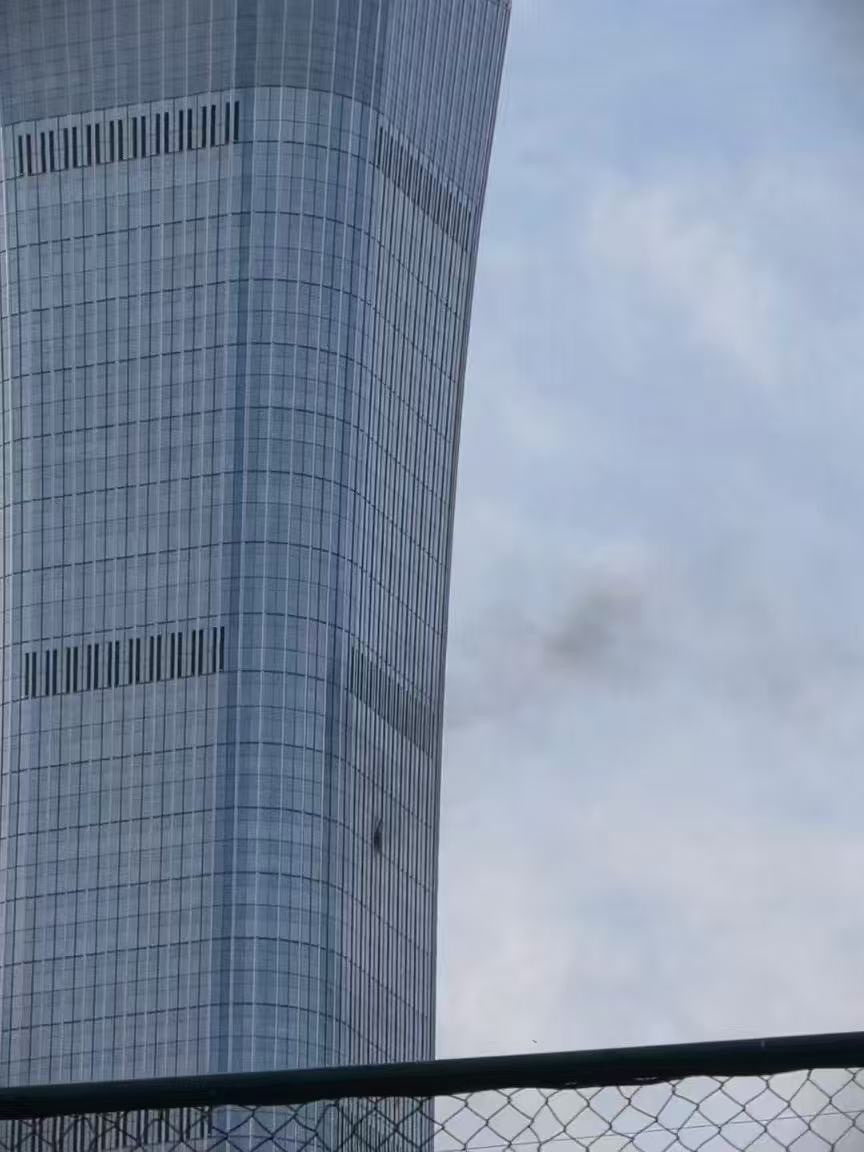
Una avioneta se estrella contra el edificio más alto de Pekín Una avioneta se estrelló este viernes en Pekín contra el China Zun, el edificio más alto de la capital china, sin que por el momento se conozcan las causas del suceso. Leer
expansion · 3 months ago
Klein vliegtuig boort zich in hoogste toren van Peking Een klein vliegtuig is vrijdag in de hoogste toren van de Chinese hoofdstad Peking gevlogen. Het is nog onduidelijk of er slachtoffers zijn gevallen en hoeveel mensen aan boord van het vliegtuig waren. Door de crash kwamen brokstukken beneden op straat terecht.
nu.nl · 3 months ago
Citic Tower: Kleinflugzeug prallt offenbar gegen höchstes Gebäude in Peking Der China Zun ist mit fast 530 Metern das höchste Gebäude Pekings und gehört zu den höchsten der Welt. Normalerweise gilt für die Stadt eine Flugverbotszone.
handelsblatt · 3 months ago
В самый высокий небоскреб Пекина врезался легкомоторный самолет Легкомоторный спортивный самолет врезался в небоскреб Чайна-Цзунь в Пекине. Об этом сообщает гонконгское издание South China Morning Post.
meduza · 3 months ago
Un avion de mici dimensiuni a lovit cea mai înaltă clădire din Beijing Un avion de mici dimensiuni s-a izbit vineri de edificiul China Zun, cea mai înaltă clădire din capitala chineză Beijing, au confirmat martori pentru agenţia EFE, fără să se cunoască deocamdată cauzele evenimentului.
digi24 · 3 months ago
Malé lietadlo narazilo do najvyššieho mrakodrapu v Pekingu. Z CITIC Tower padali trosky na rušnú ulicu Do najvyššieho mrakodrapu v Pekingu narazilo malé lietadlo a z výšky desiatok poschodí padali trosky na ulicu. Úrady evakuovali China Zun a skúmajú príčiny.
aktuality.sk · 3 months ago
Avioneta bate contra o prédio mais alto de Pequim O pequeno avião, aproximadamente do tamanho de um carro, chocou contra o arranha-céu de 108 andares nesta sexta-feira. População foi proibida de tirar fotografias ou gravar vídeos.
publico · 3 months ago
Kleinflugzeug fliegt in Pekings höchstes Hochhaus Ein Kleinflugzeug ist in Peking gegen den 528 Meter hohen CITIC Tower geprallt.
die presse · 3 months ago
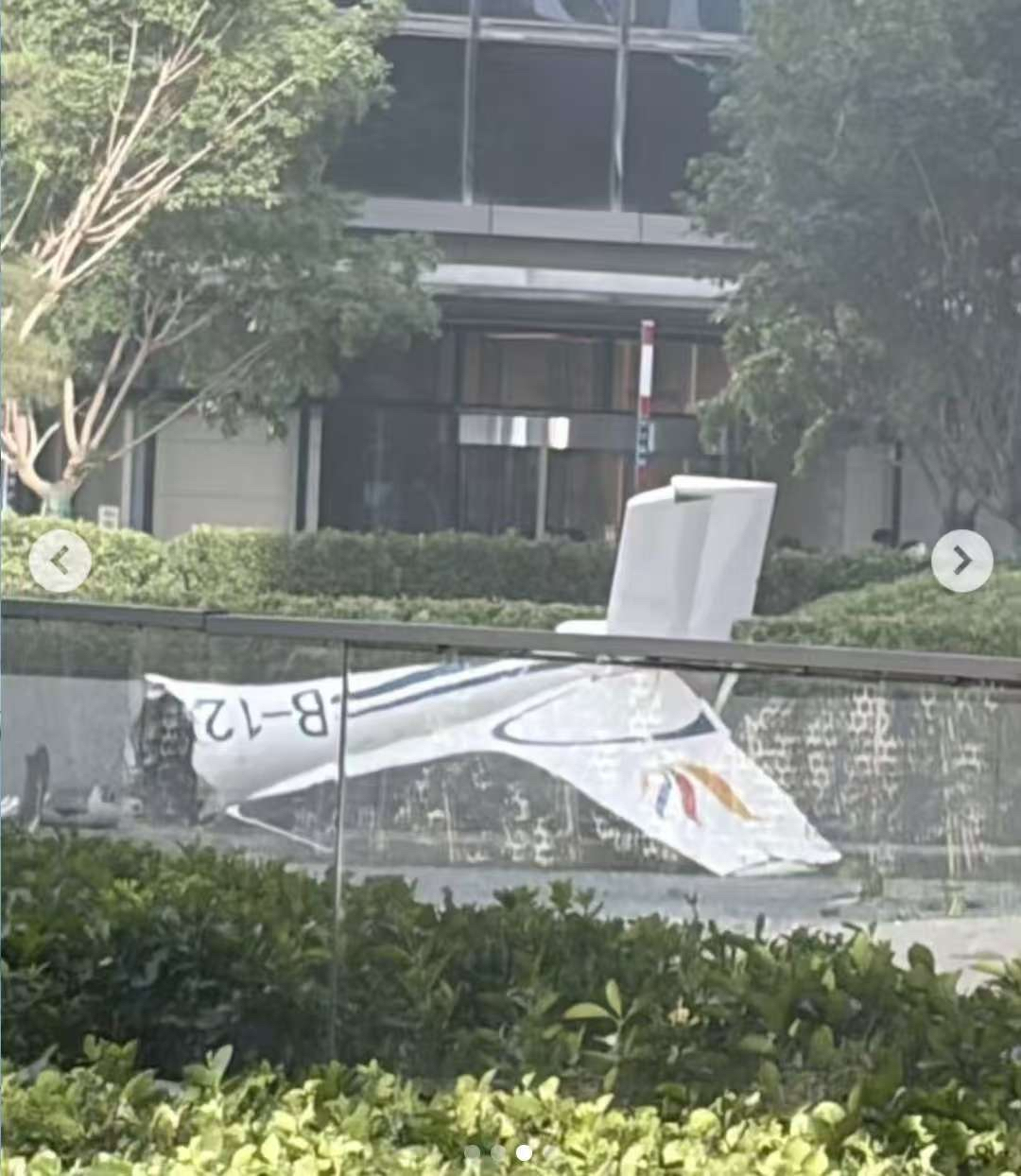
Una avioneta se estrella contra el rascacielos más alto de Pekín Al momento, las autoridades chinas no han detectado víctimas y tampoco se conoce cuántas personas viajaban en la aeronave Leer
elmundo · 3 months ago
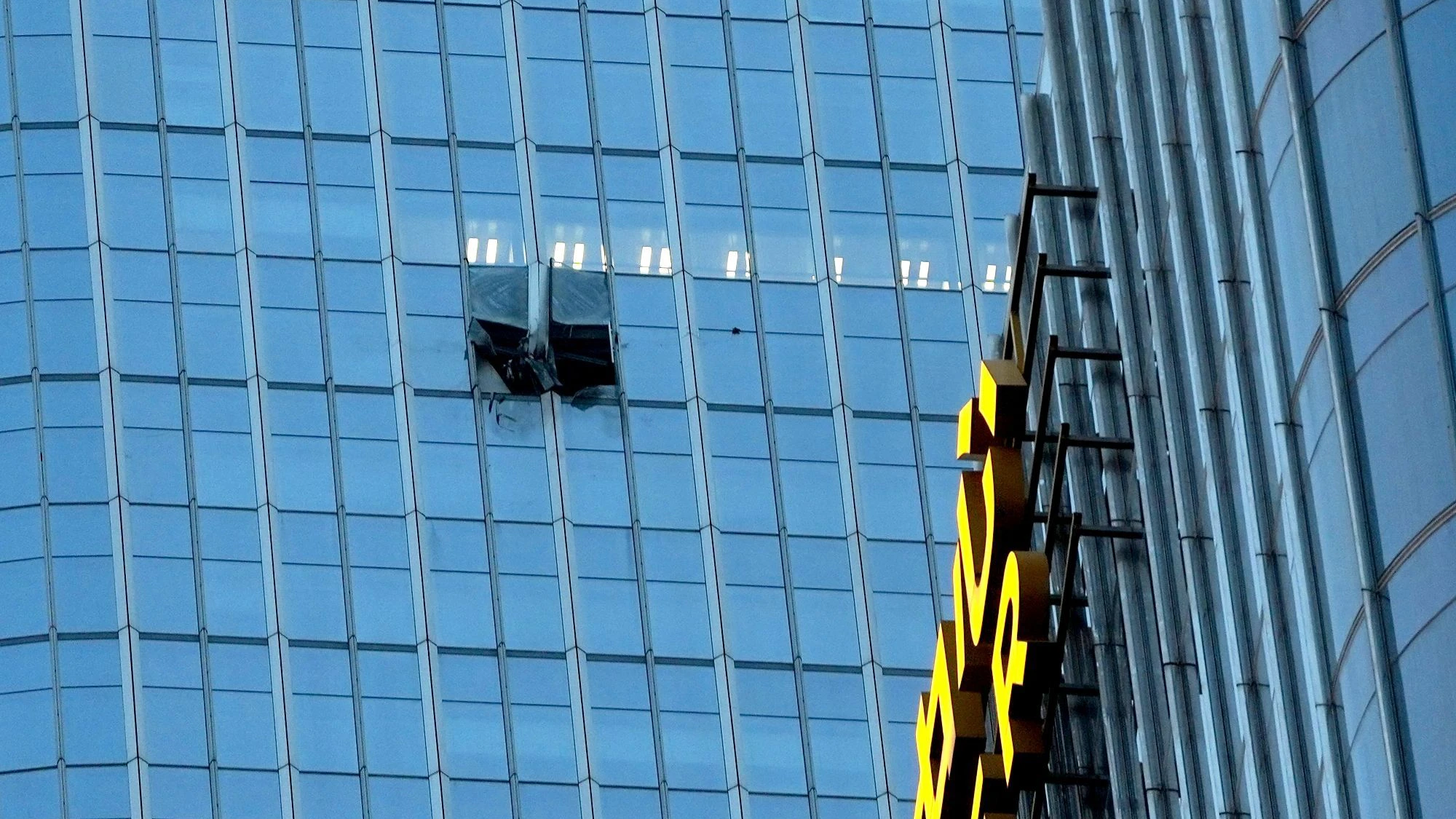
China: Kleinflugzeug fliegt in Pekings höchstes Gebäude Im Finanzviertel der chinesischen Hauptstadt stürzt ein Sportflugzeug in den Citic Tower. Wie es trotz strenger Überwachung ins Zentrum gelangen konnte, ist unklar.
faz · 3 months ago
VIDEO Cea mai înaltă clădire din Beijing a fost lovită de un avion de mici dimensiuni Un avion de mici dimensiuni s-a lovit vineri de cea mai înaltă clădire din capitala Chinei, CITIC Tower, sediul central al conglomeratului de stat CITIC Group, au scris Reuters, CNN și New York Times. CITIC Tower, cunoscut și sub numele de China Zun, este un zgârie-nori cu 108 etaje, situat în cartierul de afaceri al …
hotnews.ro · 3 months ago

Un avion percute le plus grand bâtiment de Pékin Un petit avion a percuté le gratte-ciel Citic Tower à Pékin, en Chine, rapporte vendredi le journal The New York Times, qui a vérifié les vidéos circulant sur les réseaux sociaux. ...
la libre · 3 months ago
CNN: Et småfly har krasjet inn i Bejings høyeste skyskraper CNN viser til bilder lagt ut i sosiale medier, som viser vrakgods som faller ned fra 109 etasjer høye CITIC Tower, en bygning som også er kjent som China Zun. Politiet i Bejing har stengt enkelte veier som fører inn til den høyeste bygningen i byens sentrale forretningsdistrikt. Et vitne observerte at et glasspanel manglet i en høy etasje på siden av bygningen, melder Reuters. Bygningen er hovedkvarteret til det statseide konglomeratet CITIC Group og er den høyeste bygningen i den kinesiske hovedstaden.
nrk · 3 months ago
Vlammen en brokstukken nadat vliegtuigje tegen gebouw Beijing crasht In Beijing is een vliegtuigje in een gebouw gecrasht. Aanwezigen in het gebouw werden na de crash geëvacueerd. Het gaat om het hoogste gebouw in de Chinese hoofdstad.
rtl nieuws · 3 months ago
Flugzeug crasht in Hochhaus in Peking: Was bisher bekannt ist Am Freitagnachmittag soll ein Kleinflugzeug in Peking in das höchste Gebäude der Stadt geflogen sein. Der US-Sender CNN berichtet von einem hohen Polizeiaufgebot. mehr...
taz.de · 3 months ago
Småfly krasjet i Beijings høyeste bygning Det er synlige skade på bygningen, Citic Tower, som er Beijings høyeste skyskraper.
aftenposten · 3 months ago
Kleinflugzeug prallt gegen Pekings höchstes Hochhaus Die Umgebung des Citic Towers ist weiträumig abgesperrt
der standard · 3 months ago
Momentul în care un avion de mici dimensiuni s-a izbit de cea mai înaltă clădire din Beijing Un avion de mici dimensiuni s-a izbit vineri de edificiul China Zun, cea mai înaltă clădire din capitala chineză Beijing.
adevarul · 3 months ago

Katastrofa samolotu na warszawskim Bemowie. Szkoły nauki jazdy opublikowała nagranie z momentu uderzenia maszyny w ziemię Samolot, który się rozbił, to jednosilnikowy samolot turystyczno-biznesowy. Jest wykorzystywany głównie do szybkich, indywidualnych podróży lotniczych. Maszyna spadła tuż obok toru do jazdy ośrodka kształcenia kierowców.
gazeta.pl · 3 months ago

Aircraft crashes into Beijings tallest skyscraper, triggering evacuations An aircraft crashed into Beijings tallest skyscraper on Friday afternoon, triggering emergency evacuations.
dailymail · 3 months ago