
Pope Leo XIV kneels in prayer at Lampedusas cemetery of the nameless on US Independence Day
Story Timeline
4 months · 7 summary articles
Pope Leo XIV marked the United States’ 250th Independence Day by kneeling in silent prayer at Lampedusa’s cemetery of the nameless, where thousands of migrants who perished in the Mediterranean are buried, and urged Europe and the US to adopt a humane and forward-looking migration policy.
The first American-born pontiff arrived on the Sicilian island shortly after dawn, greeted by Italian government officials, Sicily’s regional president and Lampedusa’s mayor. He laid white flowers at graves marked with crosses fashioned from the wood of sunken migrant boats, including that of six-month-old Youssef Ali Kanneh, who died in a 2020 shipwreck. At the “Porta d’Europa,” a monument to those who never reached Europe, Leo greeted a migrant family and a child who told him, “Ten years ago my story began here in Lampedusa. I was alone and had lost everything—especially my mother.”
Standing on the rocks above the sea, his cassock whipped by the wind, Leo then blessed a memorial plaque to his predecessor, Pope Francis, who made Lampedusa his first papal destination in 2013 and coined the phrase “globalisation of indifference.” The current pope used the same language to denounce “indifference to the common good, corruption in countries of origin, a global economic system that breeds poverty and exclusion, fear that fuels prejudice and contempt, and the criminal calculations of those who profit from others’ suffering.”
In a half-day visit that coincided with fireworks and parades across the US, Leo celebrated an open-air Mass for some 4,000 people on a sports field and called on Europe to treat migration “not as a crisis to be managed, but as a challenge to be met with a holistic strategy.” He urged immediate relief to be embedded in a long-term plan that “welcomes, protects, promotes and integrates migrants while working for development so that no one is forced to emigrate.”
The visit came weeks after the European Union adopted stricter measures that expand detention and create reception centres outside EU borders. Leo, who has repeatedly sparred with the Trump administration over its immigration crackdown, framed the trip as a rebuke to rising intolerance on both sides of the Atlantic. “The world of today and tomorrow must be more humane, for everyone,” he said upon arrival.
Since 2014, at least 35,070 people have died or gone missing in the Mediterranean, according to the International Organization for Migration’s Missing Migrants Project. Lampedusa, 145 kilometres from Tunisia, remains the first European landfall for many crossing in unseaworthy boats. Leo’s presence on the island underscored the moral and political stakes of a debate that has hardened on both continents.
Follow us for live European news
- 4
- 3
- 3
- 1
- 1
- 1
- 1
- 1
- 1
- 1
- 1
2 further sources not geolocated
Articles

„Opfer getroffener und versäumter Entscheidungen – Papst gedenkt auf Lampedusa den toten Migranten Bei einem Besuch auf der italienischen Insel Lampedusa erinnert Papst Leo XIV. an das Leid von Bootsmigranten. Er kritisiert Gleichgültigkeit und „die Vorstellung, dass uns diese Probleme nichts angehen.
welt.de · 3 months ago

A Lampedusa, le pape Léon XIV exhorte lEurope à agir davantage pour protéger les migrants Sur lîle italienne devenue le symbole du drame des traversées mortelles de la Méditerranée, le pontife en a appelé à une UE «capable daccueillir, de protéger et dintégrer les migrants», quelques semaines après ladoption de nouvelles mesures migratoires.
liberation · 3 months ago
La letterina del piccolo Leo al Papa: Io, sbarcato qui da solo dieci anni fa Il bambino ha consegnato a Leone XIV difronte alla Porta dEuropa un foglio e un pallone
corriere · 3 months ago
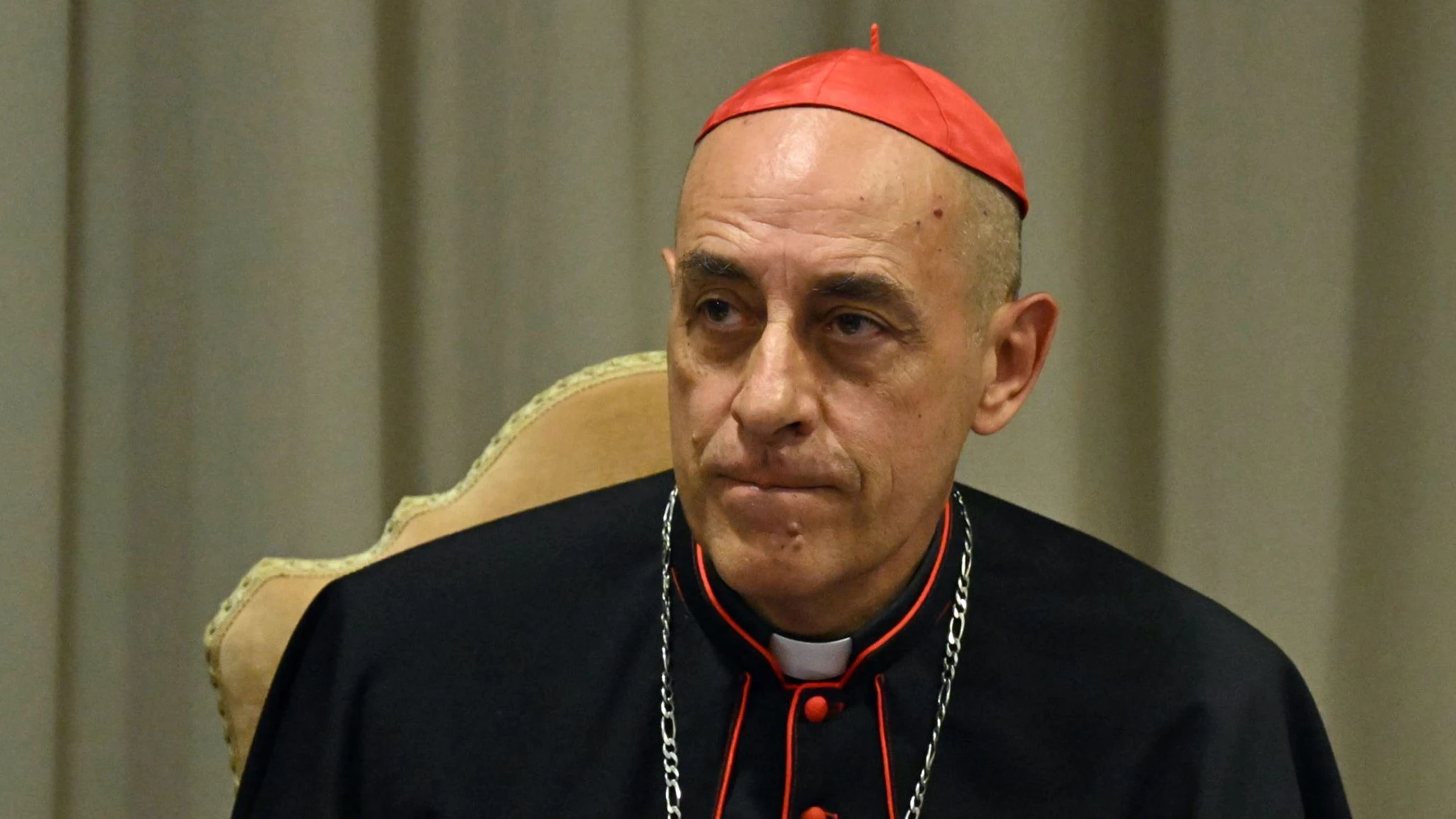
Víctor Manuel Fernández: Der Exkommunikator Víctor Manuel Fernández war der Mann, der die Exkommunikation der Piusbrüder bestätigt hat. Wer ist der Präfekt der vatikanischen Glaubensbehörde?
faz · 3 months ago
À Lampedusa, le pape Léon XIV exhorte lEurope à agir davantage pour protéger les migrants Au moment où elle durcit sa politique migratoire, le pape Léon XIV a exhorté samedi 4 juillet lEurope à agir davantage pour protéger les migrants lors dune visite sur la petite île italienne de Lampedusa, devenue le symbole du drame des traversées mortelles de la Méditerranée.
rfi.fr · 3 months ago

Why has a conservative sect been excommunicated from the Catholic Church? I plead with you and ask you with all my heart: please turn back!, Pope Leo told the society.
thejournal · 3 months ago
The Inhumane Treatment of Migrants: The Long Durée of Colonial Violence in the UK and Europe
gdeltproject.org · 3 months ago
Pope Leos visits to Lampedusa on July 4 symbolic Pope Leo XIV, who has sparred with the Trump administration over its immigration crackdown, spent the Fourth of July on Saturday in the epicenter of Europes migration debate to honor the tens of thousands of people who have died trying to reach Europe to find freedom and prosperity. While the United States marks the 250th anniversary of the Declaration of Independence with rallies, parties and fireworks, historys first US-born pope traveled to the Sicilian island of Lampedusa to pray at a migrant cemetery and celebrate a solemn Mass for the islands newest arrivals. FRANCE 24s Seema Gupta reports.
france24 · 3 months ago

Leão XIV homenageia em Lampedusa migrantes mortos Na saudação às autoridades locais, o Papa afirmou que esta homenagem "é sinal do vínculo" que o seu antecessor estabeleceu com a comunidade local "e com os irmãos e irmãs migrantes"
observador · 3 months ago
Il viaggio di Papa Leone a Lampedusa – Al cimitero omaggia i morti, poi si rivolge allEuropa: Inserisca il soccorso in mare nel piano migrazioni Da questo estremo lembo dEuropa nel Mediterraneo, si vede meglio la chiamata epocale che il fenomeno migratorio rivolge alle società europee. LEuropa possiede un potenziale unico, che le deriva dalla sua storia e dalla sua cultura, e quindi una pari responsabilità. Per la sua posizione geografica e per il suo assetto istituzionale, lEuropa è in […] Larticolo Il viaggio di Papa Leone a Lampedusa – Al cimitero omaggia i morti, poi si rivolge allEuropa: Inserisca il soccorso in mare nel piano migrazioni proviene da Il Fatto Quotidiano.
il fatto quotidiano · 3 months ago
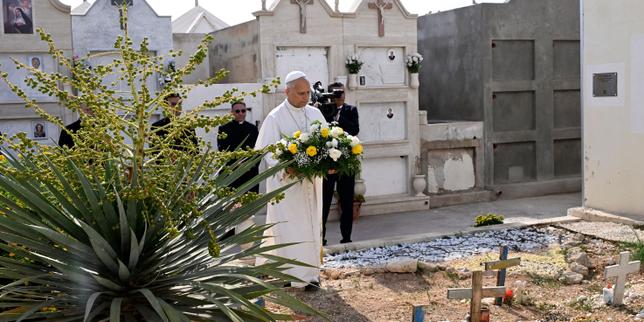
A Lampedusa, le pape Léon XIV rend hommage aux migrants morts dans la Méditerranée et appelle lEurope à « aborder la crise de manière organique » Le pontife américain suit les traces de son prédécesseur, François, qui avait choisi cette petite île devenue le symbole du drame des migrants morts en tentant de traverser la mer Méditerranée, pour son premier déplacement, en 2013.
le monde · 3 months ago
Papst betet am „Friedhof der Namenlosen auf Lampedusa Papst Leo XIV. hat auf Lampedusa der im Mittelmeer gestorbenen Migranten gedacht. Später traf er Migranten und rief zu mehr Solidarität auf.
die presse · 3 months ago
Refugee Children Missing in Europe- Modern Day Slavery
gdeltproject.org · 3 months ago
Brussels Marks His Holiness the Dalai Lamas 91st Birthday and the Closing of the Year of Compassion
gdeltproject.org · 3 months ago
Popes message to US on Independence Day: accept immigrants – Shafaqna English | International Shia News & Fatwas
gdeltproject.org · 3 months ago
Pope marks July 4 by praying in Lampedusa for migrants who died seeking freedom and prosperity
gdeltproject.org · 3 months ago
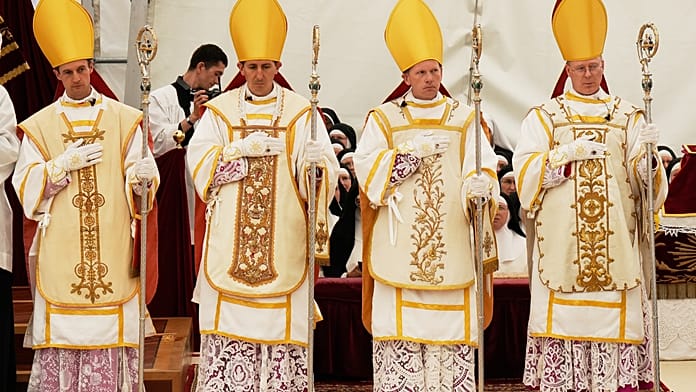
Lefebvrists answer Pope after excommunication as Redemptorist schism looms The Lefebvrists of the Society of St Pius X reject the Holy Sees excommunication after consecrating bishops without Leo XIVs approval. Now its the turn of the Transalpine Redemptorists: another episcopal consecration without papal mandate has been announced in Scotland.
euronews · 3 months ago

El Papa se arrodilla en Lampedusa ante la tragedia de los migrantes El Pontífice afirma que los muertos en el Mediterráneo son víctimas tanto de las decisiones tomadas como de las que nunca se tomaron
la vanguardia · 3 months ago
Pápež Lev XIV. prekvapil svet na Lampeduse. K 250. výročiu USA ostro skritizoval reakciu Európy na migrantov Pápež Lev XIV. prišiel na Lampedusu v deň 250. výročia nezávislosti USA a z epicentra migračnej krízy vyzval Európu na bezpečné a legálne trasy pre migrantov.
aktuality.sk · 3 months ago
Tekoäly | Paavin ajatukset tekoälystä ovat vasemmistolaisia Paavi Leo XIV nostaa tekoälyjärjestelmiä kehittävien ja niitä käyttöön ottavien moraalin tekoälymurroksen keskeiseksi tekijäksi.
helsingin sanomat · 3 months ago
Lampedusa, Papa: Migranti vittime di scelte prese o mancate.Europa chiamata a responsabilità epocale Prevost ha scelto la visita sullisola nel giorno dellIndipendenza Usa: si è inginocchiato al cimitero dove sono sepolti i morti dei viaggi in mare, ha visitato la Porta dEuropa, ha incontrato gli ospiti dellhotspot, poi la messa vicino al lungomare
corriere · 3 months ago
La mia storia iniziata qui a Lampedusa. Ho perso la mamma, ma non piango più: la lettera di un bimbo di 11 anni a Papa Leone Gli ha letto una lettera scritta di suo pugno, di poche righe, in cui condensa la sua storia di migrante e le sofferenze che porta con sé. Ma che apre uno squarcio anche sulla sua nuova vita di speranza. È il biglietto che il piccolo Leo ha consegnato, insieme ad un pallone, a papa Leone […] Larticolo La mia storia iniziata qui a Lampedusa. Ho perso la mamma, ma non piango più: la lettera di un bimbo di 11 anni a Papa Leone proviene da Il Fatto Quotidiano.
il fatto quotidiano · 3 months ago
250. Geburtstag der USA: Papst Leo XIV. besucht Lampedusa In den Vereinigten Staaten wird pompös der 250. Unabhängigkeitstag gefeiert. Der erste US-Papst trifft derweil Geflüchtete auf Lampedusa. Eine Botschaft an Donald Trump? mehr...
taz.de · 3 months ago
Papa Leone oggi a Lampedusa, omaggio ai migranti nel segno di Francesco Larcivescovo di Agrigento Damiano: «È un messaggio chiaro, una carezza a quegli uomini e a quelle donne che a Lampedusa hanno trovato la fine del loro viaggio»
il sole 24 ore · 3 months ago
Non solo lefebvriani, pronto un altro strappo con il Papa dai Redentoristi Transalpini Continuano le tensioni allinterno del mondo cattolico. Dopo lo strappo tra la Chiesa e i lefebvriani seguito alla consacrazione di quattro vescovi senza mandato apostolico, che nella lettera di scomunica...
il sole 24 ore · 3 months ago
Pope urges Europe to do more for migrants while visiting gateway island
gdeltproject.org · 3 months ago
Pope defends migrants on symbolic visit to key immigration hub Lampedusa Pope Leo XIV arrived on Saturday on Italys Lampedusa island, a major port of call for migrants who risked the perilous crossing from North Africa, in a symbolic rebuke to the anti-immigrant rhetoric coming from US and EU political factions.
france24 · 3 months ago

Pope Leo marks US anniversary with migrant appeal on Lampedusa reut.rs/4eZTy7R
bluesky_Reuters · 3 months ago
Paus Leo verkiest vluchtelingen boven uitnodiging Trump
de volkskrant · 3 months ago
Papa Leone a Lampedusa: «Migranti, Europa chiamata a responsabilità epocale» «Il mondo di oggi e di domani sia più umano, per tutti». È il primo messaggio lanciato da Papa Leone appena sbarcato questa mattina a Lampedusa, accolto per il Governo...
il sole 24 ore · 3 months ago