
Trump orders intelligence agency overhaul, pushes AI in national security
Story Timeline
4 months · 9 summary articles
President Donald Trump has intensified behind-the-scenes diplomacy on Iran, dispatching two of his closest envoys—Steve Witkoff and Jared Kushner—to the Oak Ridge National Laboratory in Tennessee for a classified meeting with nuclear experts, according to Romanian daily *Adevărul* . The visit, confirmed by multiple regional outlets, signals a renewed push to resolve frozen assets and sanctions that have stalled negotiations between Washington and Tehran.
The move comes as Iran’s military adviser Mohsen Rezaei publicly warned that any deal hinges on Washington’s willingness to release half of Iran’s frozen foreign assets immediately upon signing a memorandum of understanding, with the remainder to be unfrozen within two months . Rezaei, a senior figure under Supreme Leader Ali Khamenei, told AFP that the impasse stems from the U.S. refusal to lift sanctions that have crippled Iran’s economy for decades .
Trump, meanwhile, has struck a defiant tone, telling NBC News on Friday that Iran’s missile arsenal has been reduced to just 21–22 operational systems after three months of conflict in the Middle East . He claimed the U.S. is making “great success” in its indirect talks with Tehran, brokered by Pakistan, though no formal agreement has been reached .
The White House is also reshaping U.S. intelligence and defense policy. Trump has asked the incoming acting director of national intelligence to “gut” the agency, according to *Politico*, which cited an interview with *The Wall Street Journal* . The president named Bill Pulte, a loyalist with no intelligence experience, to the role temporarily and urged him to cut staffing at the office that coordinates interagency intelligence sharing .
On Friday, Trump signed a memorandum accelerating the adoption of artificial intelligence within the national security apparatus, directing the Pentagon and intelligence community to deploy advanced AI systems while ensuring they remain under constitutional control . The White House also confirmed discussions about taking equity stakes in AI firms, a move analysts say could reshape the sector .
Elsewhere, Trump’s push to deploy 5,000 U.S. troops to Poland has triggered bureaucratic chaos at the Pentagon, with officials awaiting guidance on how to implement the order amid concerns over billions in potential costs . Meanwhile, Macron is reportedly wooing Trump with a private dinner at Versailles or a round of golf to secure his attendance at the G7 summit in Paris later this month .
With Iran demanding immediate asset releases, Trump demanding intelligence cuts, and Europe scrambling to adapt, the administration’s Iran strategy—like its broader foreign policy—remains a work in progress.
Follow us for live European news
- 3
- 1
- 1
- 1
- 1
- 1
- 1
- 1
- 1
- 1
Articles

Consilierul militar al lui Khamenei, condiție pentru SUA: „Dacă Trump vrea un acord, acesta este testul Mohsen Rezaei, consilierul militar al Liderului Suprem al Iranului, a declarat într-un interviu că negocierile dintre Washington și Teheran se împotmolesc în special din cauza problemei activelor iraniene înghețate în străinătate, transmite AFP. De zeci de ani, Iranul face obiectul unor sancțiuni americane care afectează economia și sistemul său financiar. În plus, țara a văzut …
hotnews.ro · 4 months ago
Donald Trump azt kéri az új hírszerzési igazgatótól, hogy belezze ki az amerikai hírszerzést A hírszerzés leépítése mellett az is a feladata lenne, hogy a Trump szerint elcsalt 2020-as elnökválasztással kapcsolatos információkat nyilvánosságra hozza.
444.hu · 4 months ago
Spojené státy plánují urychlit vývoj a využívání umělé inteligence. Zaměří se na národní bezpečnost Administrativa amerického prezidenta Donalda Trumpa urychlí rozvoj a využívání umělé inteligence (AI) v oblasti národní bezpečnosti. Uvedl to podle agentury Reuters v pátek Bílý dům. Zároveň zdůraznil, že by se AI technologie neměly využívat k nezákonnému sledování. Vláda podle Trumpa rovněž zkoumá možnost získání podílů v AI firmách.
irozhlas.cz · 4 months ago
Iranska hotet när samtalen med USA kraschar Ett avtal mellan USA och Iran är fortfarande långt borta, enligt Iran.Först måste Donald Trump gå med på stora ekonomiska eftergifter.– Bollen ligger hos honom, säger den mäktiga militära rådgivaren Mohsen Rezaei.
expressen · 4 months ago

Luke McGee : "Sur lEurope, Donald Trump ne dit pas que des absurdités"
lexpress · 4 months ago
Iran demands half of frozen assets upon signing US deal Tehrans deputy foreign minister says at least 50 of blocked funds must be released immediately upon signing any memorandum of understanding with Washington, with the remainder freed within two months as negotiations continue over ending the war on all fronts including Lebanon.
yenisafak · 4 months ago
Trump orders acting spy chief to begin firing intelligence staff US President Donald Trump has instructed Bill Pulte, his incoming acting director of national intelligence, to begin dismissing a significant number of employees across the intelligence community, telling The Wall Street Journal that the Office of the Director of National Intelligence has grown too large and unnecessary.
yenisafak · 4 months ago
Trump signs directive on AI use in national security apparatus The White House said President Donald Trump signed a memorandum on artificial intelligence for the national security enterprise, establishing frameworks to accelerate military adoption of advanced systems while ensuring they remain controllable and accountable under constitutional command structures.
yenisafak · 4 months ago
Trump says US seeing great success with Iran US President Donald Trump said Friday that his administration is achieving "great success" in its dealings with Iran, reiterating that Tehran will not be allowed to obtain a nuclear weapon as indirect contacts continue following a Pakistan-brokered ceasefire.
yenisafak · 4 months ago
Cum vrea Macron să-l seducă pe Trump, pentru a participa la Summitul G7 de la Paris: cină la Palatul Versailles sau o partidă de golf Președintele francez Emmanuel Macron ia în considerare una dintre cele mai grandioase manifestări ale artei guvernării franceze din arsenalul său diplomatic: o cină privată cu președintele american Donald Trump la Palatul Versailles. Scopul: convingerea liderului SUA pentru a participa la Summitul G7 care va avea loc la finele acestei luni la Paris, scrie Politico.
digi24 · 4 months ago
SUA își reconsideră planurile de desfășurare a rachetelor Tomahawk în Germania. Stocul în urma războiului din Iran a scăzut dramatic Se preconizează că Pentagonul va anula planurile de a trimite rachete de croazieră Tomahawk în Germania, pe fondul îngrijorărilor că Moscova ar putea considera această desfășurare ca o escaladare, a raportat Politico, scrie TVPWorld.
digi24 · 4 months ago
Donald Trump spune că Iranul mai are doar 21-22 din arsenalul de rachete Preşedintele american Donald Trump a afirmat că Iranului „i-au mai rămas doar 21-22 dintre rachetele sale, într-un interviu acordat postului de televiziune NBC, după peste trei luni de război în Orientul Mijlociu, transmit AFP şi Reuters.
digi24 · 4 months ago
Česi žasnú, koľko toho dokáže Ficova vláda pokaziť za tak krátky čas (Týždeň vo svetových médiách) V tomto prehľade sa okrem témy z titulku dozviete aj o prípravách USA poskytnúť jadrové zbrane viacerým európskym štátom či o liste Zelenského Putinovi. No a končiť budeme úvahou fínskeho prezidenta Alexandra Stubba, podľa ktorej by sa Kanada mala stať súčasťou EÚ.
aktuality.sk · 4 months ago
Diplomația secretă a lui Trump. Emisarii Casei Albe, întâlnire de gradul zero cu experții nucleari din Tennessee pentru dosarul iranian Într-o mișcare ce trădează intensificarea eforturilor diplomatice din spatele ușilor închise, trimișii speciali ai președintelui american Donald Trump, Steve Witkoff și Jared Kushner, au efectuat o vizită secretă la Laboratorul Național Oak Ridge din statul Tennessee.
adevarul · 4 months ago
North Koreas Kim orders navy to build 10,000-tonne destroyer: State media Kim Jong Un has continued to visit military sites before a visit by Chinas Xi Jinping on Monday and Tuesday.
aljazeera · 4 months ago
Trump says he asked incoming acting director of national intelligence to gut the agency The president told The Wall Street Journal he wants staffing cuts at the office that coordinates intergovernmental intelligence sharing.
politico.eu · 4 months ago
Președintele SUA vrea ca Micul Trump, noul șef al serviciilor secrete, să facă mai multe concedieri. Bill Pulte n-are experiență deloc Donald Trump, care a încredinţat temporar conducerea serviciilor secrete americane unui apropiat fără experienţă, Bill Pulte, denumit de unii „Micul Trump, a spus vineri, într-un interviu pentru The Wall Street Journal (WSJ), că acesta din urmă este „mai puţin constrâns, deoarece a fost numit doar temporar, şi ar vrea să concedieze mai mulţi dintre angajaţii comunităţii de informaţii.
digi24 · 4 months ago
Donald Trump a grațiat un congresman din partidul său condamnat pentru fraudă de sute de mii de dolari Președintele Statelor Unite ale Americii, Donald Trump, l-a grațiat pe congresmanul republican Stephen Buyer, condamnat pentru fraudă cu valori mobiliare în urma unor tranzacții bazate pe informații confidențiale.
adevarul · 4 months ago
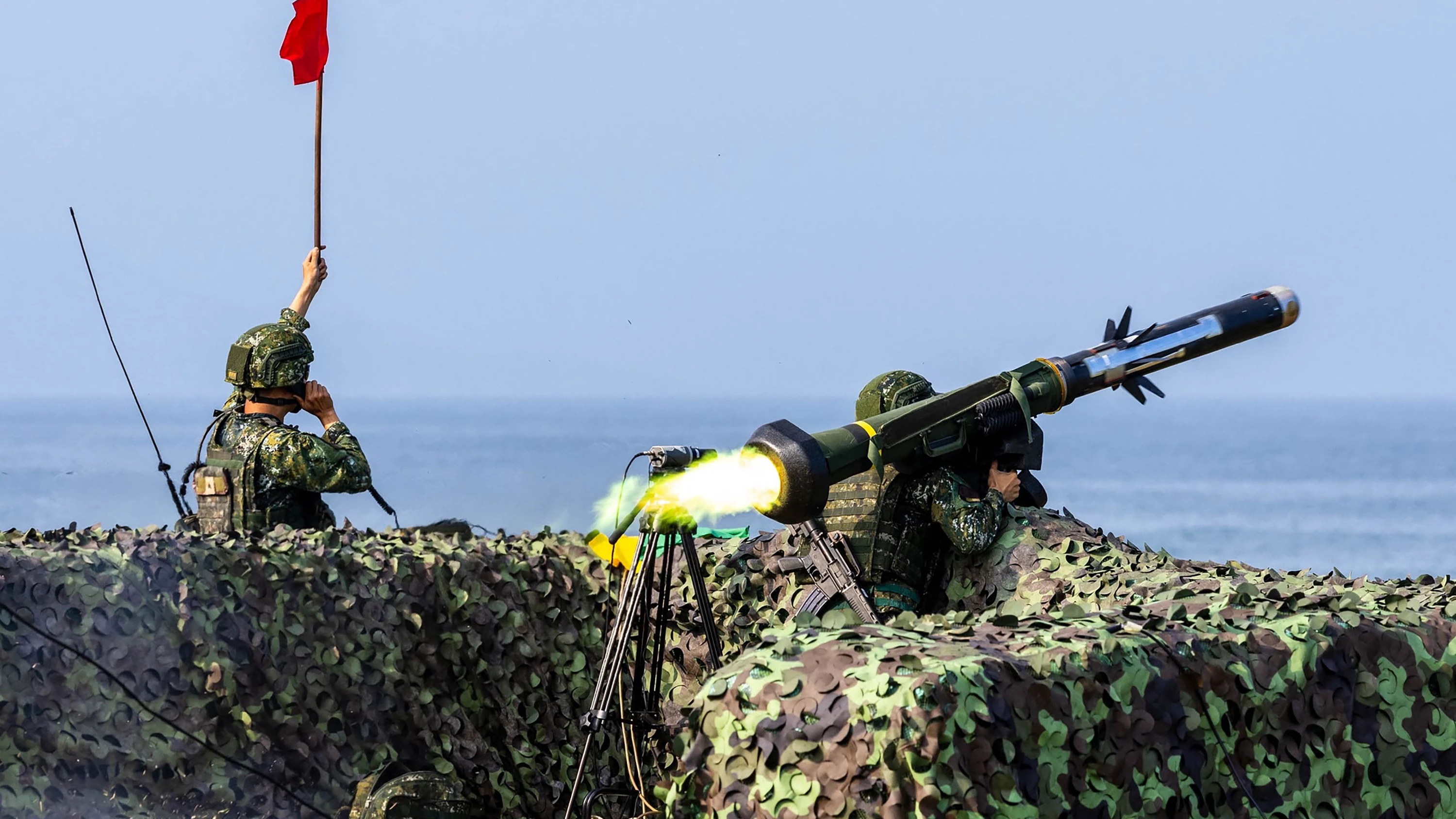
USA unter Trump: USA fordern Taiwan mit Blick auf China zu verstärkter Rüstung auf Liveticker zur US-Politik unter Donald Trump aktuell: Aktuelle News & Nachrichten von heute ► Jetzt lesen im Liveticker der FAZ
faz · 4 months ago
The truth about Trumps Truths POLITICO takes a deep dive into Trumps social media feed, revealing what the most powerful man in the world is focused on.
politico.eu · 4 months ago
Trump to meet with artificial intelligence companies on government profit share plan as soon as next week Theres so much money and its so big that there are concepts where pieces could be given to the American public, Trump said.
politico.eu · 4 months ago