 Friday, July 3Friday, July 3
11 months · 39 summary articles
Ukraine intensifies strikes deep inside Russia, hitting oil refineries and military targets as Kyiv seeks to cripple Moscow’s war machine and force negotiations within months. President Volodymyr Zelenskyy confirmed overnight attacks on an oil refinery in Bashkortostan—over 1,300 km from the front line—and a defence plant in Penza, while Ukrainian media reported strikes on a military airbase in occupied Crimea.
The campaign is taking a severe toll on Russian logistics. Defence Minister Mykhailo Fedorov told reporters that Ukrainian strikes on Crimean and southern targets have triggered “a large accumulation of crises,” forcing Russian forces into 30 km forced marches and fuel rationing across multiple regions. Shortages have reached occupied Crimea, where authorities have declared a state of emergency, shops are closing, and residents are fleeing the peninsula.
Kyiv is also targeting Russia’s shadow fleet. Deputy Prime Minister Oleksii Kuleba urged the International Maritime Organization to classify vessels supporting Moscow’s war effort as legitimate military targets, arguing they finance the invasion. Meanwhile, Ukraine’s drone and missile campaign has forced Russia to relocate frontline logistics hubs, disrupting supply lines and military mobility.
On the diplomatic front, Ukraine is racing to secure billions in additional Western military aid before Moscow adapts. Fedorov told *Politico* that Kyiv needs several billion euros more to sustain its momentum, including funds for drones, missiles, and advanced technology to keep Russian forces on the defensive. Sweden has already committed, signing a $2.5 billion deal for 16 Gripen E fighter jets to be delivered by 2029, a move analysts say marks a turning point in Ukraine’s defensive capabilities.
Domestically, the strain is showing. Russia’s top banker, Sberbank CEO German Gref, publicly called for an end to the war, warning that public sentiment is shifting amid fuel shortages and economic strain. Polling by Gallup indicates over half of Russians now express pessimism—the first such decline in two decades.
Analysts caution that while Ukraine’s strikes are inflicting damage, they may not yet force Putin to negotiate. Fuel shortages are severe but not yet existential, and Russia’s military-industrial complex is adapting. Still, with Kyiv pushing for a decisive shift in the war’s momentum, the coming months could prove pivotal—both on the battlefield and in the corridors of power in Moscow.
Follow us for live European news

EXCLUSIVE: Ukraines Defense Minister Mykhailo Fedorov wants billions more in aid to continue his transformation of the countrys military and continue shifting the momentum against Russia. 🔗 www.politico.eu/article/ukra...
bluesky_Politico Europe · 2 days ago

Zelenskyy: Ukraine strikes oil refinery, defence plant inside Russia Ukrainian President Volodymyr Zelenskyy announced that Kyiv struck an oil refinery in Russias Bashkortostan region and a defence facility in Penza overnight, both over 1,300 kilometres from the front line. Ukrainian media also reported an attack on a military airbase in Crimea.
yenisafak · 2 days ago

Russias top banker pleads with Putin to stop the Ukraine war on state TV as he makes stark warning about countrys economic crisis Russias most powerful banker has broken ranks and called on Vladimir Putin to end his invasion of Ukraine as soon as possible.
dailymail · 2 days ago
Ukraine-Russia war latest: Putin orders army to plan new ways to capture Kyiv, says Ukrainian military chief
gdeltproject.org · 2 days ago
Zelenskyy says Ukraine hit Russia oil refinery for second time in week
gdeltproject.org · 2 days ago
Ukraine hits Russias Ufa oil refinery for second time in a week, Zelenskyy says Ukraines domestically developed and manufactured drones and missiles have been hammering Russian oil facilities, including refineries, terminals, storage depots and pipeline pumping stations, for months.
euronews · 2 days ago
Is Europes support for Ukraine changing as the war goes on? As Russias war against Ukraine continues, European governments are facing difficult questions about military support, diplomacy and the long-term security of the continent. How should Europe balance continued assistance to Ukraine with preparations for future negotiations? In the final episode of Making Defence European Again, Celia Bélin, policy fellow and head of ECFRs Paris office, […]
european council · 2 days ago
📰 Prices in Russia for imported Belarusian gasoline nearly double in a month amid fuel crisis🔗 #RussianInvasion #RussianWar #Ukraine
mastodon bot · 2 days ago

📰 Ukraine still has no registry of all victims of Russian aggression – Lubinets🔗 #RussianInvasion #RussianWar #Ukraine
mastodon bot · 2 days ago
🇷🇺 ⛽ 🇺🇦 Russia struggles with fuel shortages amid Ukraine strikes Russia has introduced a swath of restrictions on petrol sales across the country, as Ukrainian strikes on its refineries, depots and logistics affect domestic supply. Several regions have introduced rationing
bluesky_AFP English · 2 days ago

⚡️ Ukraine argues Russias shadow fleet should be treated as military targets. Ukraine argued in a letter to the International Maritime Organization that Russias shadow fleet may no longer qualify as ordinary civilian shipping, citing its role in financing Moscows war effort.
bluesky_Kyiv Independent · 2 days ago
Poland warns Russia may exploit tensions with Ukraine for sabotage The Polish government has warned that Russia may exploit tensions in relations between Ukraine and Poland to carry out malicious actions.
ukrpravda · 2 days ago
Reuters: Ukrainian defence minister urges EU to allocate €6.6bn from Peace Facility to Ukraines defence Ukrainian Defence Minister Mykhailo Fedorov has urged Kyivs European partners to allocate €6.6 billion from the European Peace Facility to Ukraines defence needs.
ukrpravda · 2 days ago
Russians deliberately destroying Ukraines harvest: farmers outline Russian tactics – photo Russian forces are deliberately destroying crops in Kherson Oblast, using drones to drop incendiary munitions from all sides of a field to maximise the destruction of grain.
ukrpravda · 2 days ago
Russian Molniya drone used in attack on Ukraine may have had autonomous capabilities, expert says – photos A Russian Molniya drone struck a Ukrainian facility without a control antenna. Radio technology expert Serhii "Flash" Beskrestnov says this may indicate a shift towards autonomous operation.
ukrpravda · 2 days ago
Fuel shortages, 30 km forced marches for infantry: Ukraines defence minister outlines bad news for Russians Ukraines Defence Minister Mykhailo Fedorov says that strikes on Russian military targets in temporarily occupied Crimea and south of Ukraine have led to serious logistical problems for Russian forces and the "accumulation of a large number of crises".
ukrpravda · 2 days ago
Ukraines human rights commissioner proposes three-minute calls between POWs and their families to his Russian counterpart Ukraines Human Rights Commissioner Dmytro Lubinets has proposed to his Russian counterpart Yana Lantratova that both countries allow prisoners of war to make phone calls of at least three minutes to their relatives.
ukrpravda · 2 days ago
Ukrainians opinion split on what borders will look like after war ends – survey Ukrainians are divided over what Ukraines borders will look like after the war ends: 32 believe the border will run along the current front line, while 31 say the country will regain all the territory it had when independence was declared in 1991.
ukrpravda · 2 days ago
CEO of Russias Sberbank Gref call for ending military action Sberbank chief German Gref says Russians want a swift end to military action, a rare public war comment from a senior executive. Find out what he said, and how the banks record RUB850.2bn dividend feeds the Russian budget.
intellinews · 2 days ago
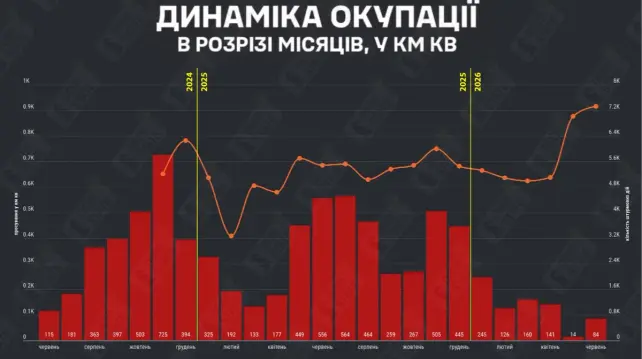
Russia seizes 84 sq km in June, but rate of advance slows – DeepStateRussian forces occupied 84 square kilometres of Ukrainian territory in June. However, if areas liberated by Ukraines defence forces are taken into account, the net change in occupied territory for Russia may be negative for the second consecutive month. #ukraine
mastodon bot · 2 days ago

📰 Russia launches five strikes on Kharkiv, people dead and injured🔗 #RussianInvasion #RussianWar #Ukraine
mastodon bot · 2 days ago
Russias fuel crisis: Is Putin under pressure? Ukraines extended campaign against Russian energy infrastructure is disrupting fuel supplies and military logistics. With shortages mounting in occupied Crimea, is the pressure pushing Putin toward negotiations?
deutsche welle europe · 2 days ago

Russian strikes kill at least four in southern and eastern Ukraine
news.yahoo.com · 2 days ago
Amid war on Ukraine, over half of Russians expressing pessimism for the first time in 20 years Nadia Massih is pleased to welcome Benedict Vigers, Senior Global News Writer at Gallup. For much of the war in Ukraine, conventional wisdom suggested that Russians had largely rallied behind the state despite mounting international sanctions and military costs. Gallups latest research challenges that picture. Drawing on more than two decades of continuous polling, Vigers argues that Russia is experiencing not merely a deterioration in economic sentiment, but a broader psychological turning point. After years in which public confidence remained unexpectedly resilient, the latest data indicate simultaneous declines in perceptions of the economy, trust in key state institutions, confidence in the military, faith in elections, and even perceptions of media freedom.
france24 · 2 days ago
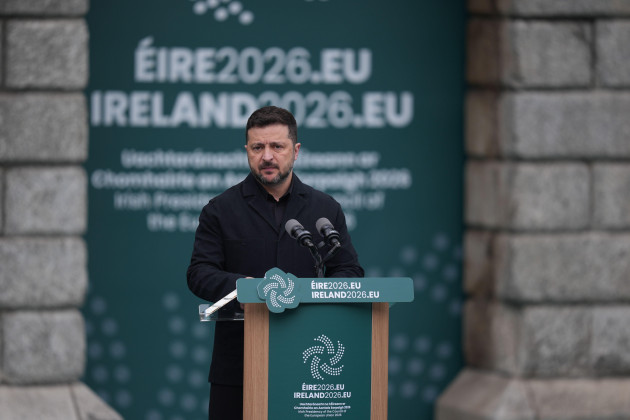
Zelenskyy hits out at Russian-owned companies operating without sanctions in EU during Dublin speech It has been claimed that Aughinish Aluminas exports been used to manufacture arms used in Ukraine by the Russian military.
thejournal · 2 days ago
Zelensky says Ukraine hits a Russian oil refinery for the second time in a week
gdeltproject.org · 2 days ago
Is Ukraines campaign of targeting Russian refineries working? Fuel shortages in the country are unlikely to force Putin into concessions for peace.
aljazeera · 2 days ago

Wednesday, July 1, 2026 Ukraine signs deal with Sweden to purchase 16 Gripen E fighter jets . . . . . Russia to halt multiple railway checkpoints on borders with Finland, Estonia, Latvia . . . . . How Ukraines ultimatum changed the equation for Belarus . . . . . Behind the lies of the latest guest on Tucker Carlsons podcast: a criminal Russian arms dealer . . . and more
mastodon bot · 2 days ago
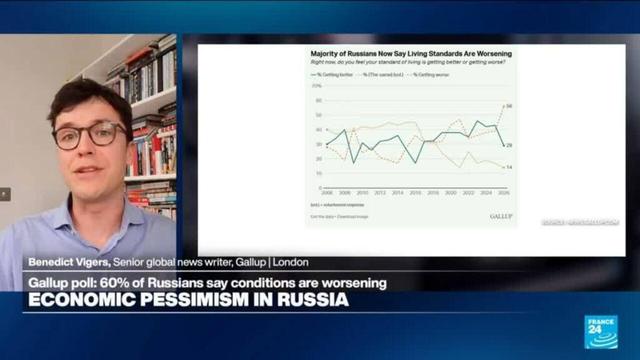
⚡ NEWSRussian public sentiment hits 20-year low amid Ukraine warGallup polling reveals over half of Russians express pessimism for the first time in 20 years. The data shows simultaneous declines in trust for state institutions, the military, and faith in elections, challenging the narrative of resilient public support...📰 #Sanctions #Geopolitics #GeoWire
mastodon bot · 2 days ago

⚡ NEWSAnalysis of Ukraines drone strikes on Russian refineriesAnalysis suggests Ukraines campaign targeting Russian oil refineries is unlikely to force Putin into peace concessions due to persistent fuel shortages and strategic resilience.📰 #OilEnergy #Military #Geopolitics #GeoWire
mastodon bot · 2 days ago