 Friday, July 3Friday, July 3
9 days · 6 summary articles
The death toll from Venezuela’s twin earthquakes has risen to 2,595, interim President Delcy Rodríguez announced on Thursday, as rescue teams pulled a man alive from rubble eight days after the disaster. The 7.2 and 7.5-magnitude quakes struck northern Venezuela on 24 June, collapsing 189 buildings and leaving tens of thousands missing. Rodríguez, addressing reporters in Caracas, confirmed 12,400 injuries and said search operations continue despite the dwindling chances of finding survivors.
A 44-year-old security guard, Hernán Gil, was extracted from the ruins of a nine-storey building in La Guaira state on Thursday, his survival described as a “miracle” by rescuers. His rescue came after eight days trapped beneath debris, a rare breakthrough that offered fleeting hope amid the devastation. The United Nations estimates up to 50,000 people remain missing, while local reports suggest the true toll could be far higher.
International aid has flooded in, with 33 countries deploying rescue teams, including Turkey’s 75-person contingent with rescue dogs and heavy machinery. The International Monetary Fund and World Bank have pledged $200 million to support reconstruction, but criticism of the government’s response is mounting. In La Guaira, survivors told reporters they had seen little state presence, with aid distribution chaotic and slow. “If we don’t act, no one will help us,” one resident told *La Libre Belgique* .
The quakes have left 38,500 people unaccounted for, according to unofficial lists, while disease and food shortages threaten to compound the crisis. The UN warned on 1 July that 1.8 million people urgently needed assistance, with acute malnutrition and waterborne illnesses spreading in displacement camps. Rodríguez defended her government’s crisis management, rejecting accusations of abandonment, but the public anger is palpable. In Madrid, 27 Spanish victims were confirmed dead, the foreign ministry reported .
With rescue efforts now pivoting to relief, the focus has shifted to identifying thousands of bodies before decomposition complicates the process. Pathologists in Caracas told CNN they were receiving hundreds of decaying corpses daily, straining morgues and burial teams. The government has ruled out mass graves, but the scale of the disaster has overwhelmed local capacity. As the death toll climbs and frustration grows, Venezuela’s interim leadership faces its sternest test yet.
Follow us for live European news
2 further sources not geolocated

Dödssiffran stiger efter skalven Dödssiffran efter jordbävningarna i Venezuela i slutet av juni har stigit till 2 595, uppger landets interimspresident Delcy Rodríguez.
svenska dagbladet · about 17 hours ago
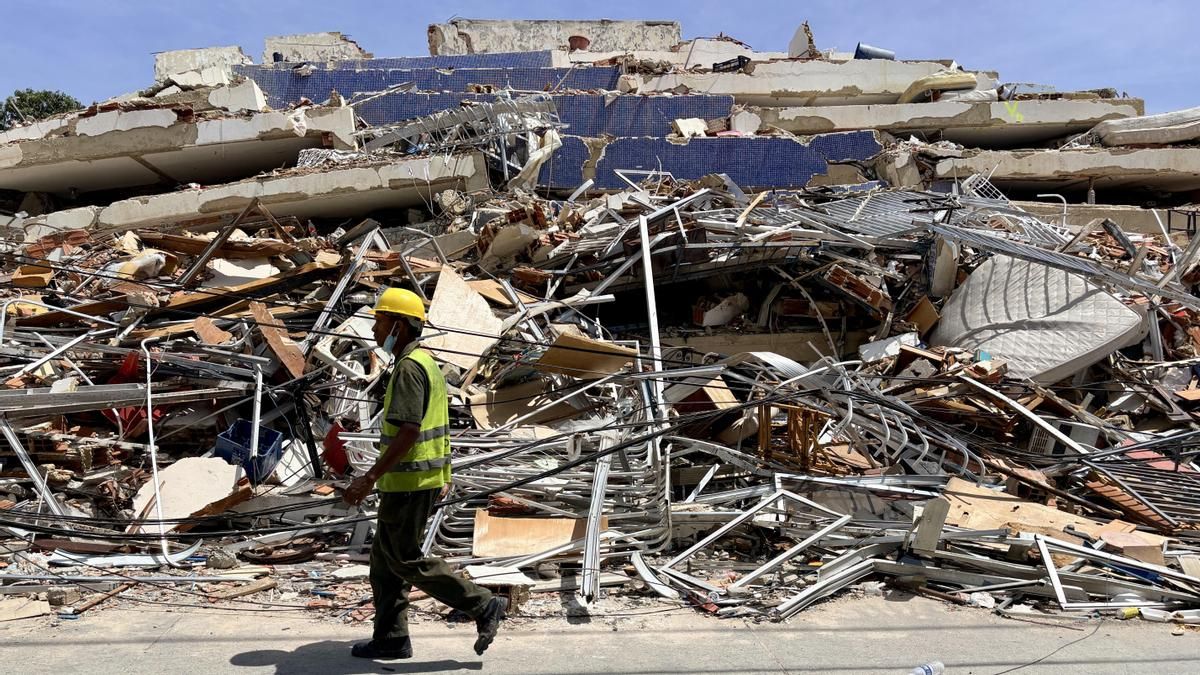
Última hora sobre los terremotos en Venezuela: Aumentan a 2.595 los muertos y los heridos superan los 12.000 El número de fallecidos por los terremotos de magnitud 7,2 y 7,5 ocurridos en la zona norte de Venezuela el pasado 24 de junio asciende a al menos 2.595, mientras que la cantidad de heridos es de 12.400, anunció este jueves la presidenta encargada, Delcy Rodríguez. Rodríguez, que destacó la presencia en Venezuela de rescatistas de 33 países, develó los datos durante una rueda de prensa cuando se cumplen ocho días desde el doble terremoto que afectó a Caracas y otros seis estados del norte del país. En lo que respecta a los españoles, el último balance apuntaba a 27 fallecidos durante el doble terremoto.
eldiario.es · about 17 hours ago
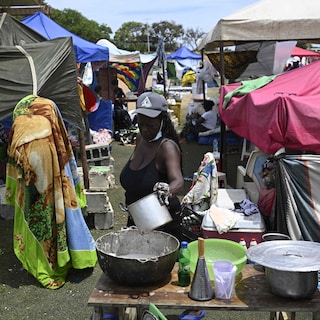
Dodental aardbevingen Venezuela opgelopen tot bijna 2600, VN: mogelijk 50.000 vermisten
de volkskrant · about 17 hours ago
A push to identify bodies as deaths multiply in Venezuela after twin earthquakes The rush is on across Venezuelas north coast to identify loved ones before its too late
abcnews · about 17 hours ago
Venezuela thanks Türkiye and 30 other nations for quake aid Interim President Delcy Rodríguez has thanked 31 countries, including Türkiye, for sending rescue teams and humanitarian assistance after twin earthquakes killed over 2,200 people. Turkish teams continue round‑the‑clock operations, with 75 personnel, five vehicles, and six rescue dogs deployed.
yenisafak · about 17 hours ago
Venezolanen na de aardbeving: De overheid? Die zie ik hier niet De tijd dringt voor de slachtoffers van de aardbeving in Venezuela. Correspondent Nina Jurna liep mee met Nederlandse reddingswerkers en ziet hoe de ramp de instabiliteit van het…
nrc · about 17 hours ago
Erdbeben in Venezuela: Venezuelas Interimspräsidentin verteidigt Erdbebenhilfe der Regierung Nach dem Erdbeben in Venezuela steht die Regierung weiter unter Druck. Interimspräsidentin Delcy Rodríguez verteidigt ihr Krisenmanagement und weist Kritik zurück.
die zeit · about 17 hours ago
Venezuela earthquake death toll climbs to 2,295 National Assembly President Jorge Rodriguez announced Wednesday that the confirmed death toll from the twin earthquakes that struck northern Venezuela on June 24 has climbed to 2,295, with the United Nations preparing to acquire 10,000 body bags as search operations continue across the devastated region.
yenisafak · about 17 hours ago

Un séisme de magnitude 6,2 frappe lest de lIndonésie Un séisme de magnitude 6,2 a frappé vendredi lest de lIndonésie, a rapporté lInstitut géologique américain USGS, sans faire de blessés ni de dégâts selon les premières informations. ...
la libre · about 17 hours ago
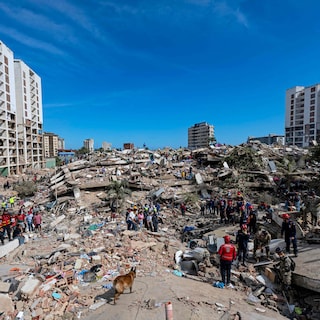
Dodental door aardbevingen opgelopen tot 2595
trouw · about 17 hours ago
Delcy Rodriguez responds to public anger at government response Delcy Rodriguez says 80 of the buildings that collapsed in earthquakes were privately developed.
aljazeera · about 17 hours ago
„Können noch Lebende finden: Fast 2600 Tote nach Erdbeben in Venezuela Gemeinsam mit dem Internationalen Währungsfonds richtet Venezuela einen Hilfsfonds in Höhe von 200 Millionen Dollar ein, um den Wiederaufbau zu finanzieren.
die presse · about 18 hours ago
!["Oportunismo grotesco": así ha desbaratado la Administración Trump el regreso de Corina Machado a Venezuela tras los terremotos La líder opositora venezolana ha intentado regresar al país por diferentes días el pasado fin de semana tras los terremotos en Venezuela, pero EEUU lo ha frenado por considerarlo "una maniobra política"
Es evidente que Donald Trump prefiere a Delcy Rodríguez al frente de Venezuela que a María Corina Machado. Pero, según está publicando la prensa estadounidense, la Administración Trump tampoco quiere que la líder opositora aproveche los efectos de los terremotos, que ya suman 2.300 personas fallecidas, para regresar a su país.
Según ha publicado este jueves The Wall Street Journal, el plan de la líder de la oposición de regresar a su país tras los devastadores terremotos se vino abajo en pleno vuelo después de que EEUU le retirara el apoyo para viajar. De acuerdo con el periódico, un jet privado despegó de Virginia el viernes de la semana pasada para llevarla a la isla caribeña de Curazao, desde donde Machado venezolana tenía previsto iniciar un viaje de regreso a su país desde que huyó en diciembre.
Pero, aproximadamente una hora después del despegue, el responsable de operaciones de la empresa que había fletado el avión ordenó a los pilotos que dieran la vuelta con el Hawker 800 sobre Carolina del Norte y regresaran a la zona de Washington, según WSJ.
Se habían aprobado los planes de vuelo y los derechos de aterrizaje, así como el permiso para que Machado, cuyo pasaporte había caducado, aterrizara en Curazao, según el medio, que cuenta que, pensando que se trataba de un error, Machado envió un mensaje de texto a un alto cargo del Departamento de Estado.
El cambio de rumbo se produjo después de que las autoridades estadounidenses llegaran a la conclusión de que Machado planeaba regresar a Venezuela en barco desde Curazao, volviendo sobre la ruta que utilizó para huir de su país el 9 de diciembre con el fin de recibir su Premio Nobel de la Paz en Noruega. Los mismos contratistas privados que la habían sacado del país en aquella ocasión ya se encontraban apostados en la isla.
Las autoridades neerlandesas, que se encargan de los asuntos exteriores de Curazao, creyeron que EEUU respaldaba su viaje, pero retiraron el permiso para que el avión aterrizara después de que Washington dejara claro que no lo apoyaba.
La insistencia de Machado en regresar ahora ha puesto en alerta a la Casa Blanca, que argumenta que su llegada podría desencadenar una crisis política, informa WSJ.
Tras ese fiasco, Machado volvió a intentarlo el domingo, esta vez a través de Panamá. Pero Copa Airlines se negó a transportarla a Venezuela cuando intentó embarcar, cuenta WSJ, alegando el temor a que las autoridades venezolanas tomaran represalias contra una de las pocas aerolíneas comerciales que aún vuelan al país.
Desde la ciudad de Panamá, Machado afirmó en un vídeo publicado el lunes en las redes sociales que la catástrofe del terremoto hacía imposible posponer su regreso. Y culpó al Gobierno venezolano de bloquearla y de amenazar a quienes la ayudaban, sin mencionar a EEUU.
Según ha publicado Axios, la Administración Trump ha criticado el grotesco oportunismo político de Machado tras los terremotos en Venezuela. Según el medio, ls repetidos intentos de la líder de la oposición venezolana María Corina Machado de regresar a su país tras los devastadores terremotos de la semana pasada han indignado a altos cargos de la Administración Trump.
Quiere una sesión fotográfica en la que se la vea repartiendo nuestra ayuda, señaló una fuente de la Administración a Axios: Se trata de sus propios intereses.
Machado, que lleva tiempo viviendo en EEUU con un pasaporte venezolano caducado, ha presionado al secretario de Estado, Marco Rubio, al subsecretario de Estado, Chris Landau, a congresistas republicanos de Miami y a funcionarios de la Casa Blanca para que la ayuden a regresar a Venezuela.
Marco [Rubio] está al límite de su paciencia, afirma una fuente a Axios: Tiene que ser paciente y no lo va a ser, y eso le está volviendo loco. Se teme que haya miles más de fallecidos. Decenas de miles viven en tiendas de campaña sin ningún sitio adonde ir. Y mientras nosotros nos centramos en ayudar a responder a esta calamidad, ella está convirtiendo todo esto en un asunto personal. Simplemente, no es el momento ni el lugar para que Machado utilice esto como herramienta política.
En la misma línea, un artículo del New York Times señalaba que la Casa Blanca tachaba de maniobra política el intento de Machado de regresar a una Venezuela devastada por el terremoto, desviando la atención de los esfuerzos de recuperación.
Según el NYT, la Administración Trump ha rechazado repetidamente sus peticiones y le ha comunicado a la líder de la oposición que se ha convertido en una distracción, lo que ha transformado meses de tensiones latentes en una ruptura abierta con la política más popular de Venezuela, según siete personas familiarizadas con las conversaciones.
El diario explica que ahora queda por ver si Machado está en condiciones de reparar su relación con la Administración Trump.
Ni siquiera el gesto sin precedentes de Machado de regalarle a Trump su medalla del Nobel, a pesar de la oposición del comité del premio, ha sido suficiente para ganarse su apoyo.](https://static.eldiario.es/clip/55b611d9-520b-46f6-9c1f-38939b619f8a_16-9-discover-aspect-ratio_default_1146622.jpg)
"Oportunismo grotesco": así ha desbaratado la Administración Trump el regreso de Corina Machado a Venezuela tras los terremotos La líder opositora venezolana ha intentado regresar al país por diferentes días el pasado fin de semana tras los terremotos en Venezuela, pero EEUU lo ha frenado por considerarlo "una maniobra política" Es evidente que Donald Trump prefiere a Delcy Rodríguez al frente de Venezuela que a María Corina Machado. Pero, según está publicando la prensa estadounidense, la Administración Trump tampoco quiere que la líder opositora aproveche los efectos de los terremotos, que ya suman 2.300 personas fallecidas, para regresar a su país. Según ha publicado este jueves The Wall Street Journal, el plan de la líder de la oposición de regresar a su país tras los devastadores terremotos se vino abajo en pleno vuelo después de que EEUU le retirara el apoyo para viajar. De acuerdo con el periódico, un jet privado despegó de Virginia el viernes de la semana pasada para llevarla a la isla caribeña de Curazao, desde donde Machado venezolana tenía previsto iniciar un viaje de regreso a su país desde que huyó en diciembre. Pero, aproximadamente una hora después del despegue, el responsable de operaciones de la empresa que había fletado el avión ordenó a los pilotos que dieran la vuelta con el Hawker 800 sobre Carolina del Norte y regresaran a la zona de Washington, según WSJ. Se habían aprobado los planes de vuelo y los derechos de aterrizaje, así como el permiso para que Machado, cuyo pasaporte había caducado, aterrizara en Curazao, según el medio, que cuenta que, pensando que se trataba de un error, Machado envió un mensaje de texto a un alto cargo del Departamento de Estado. El cambio de rumbo se produjo después de que las autoridades estadounidenses llegaran a la conclusión de que Machado planeaba regresar a Venezuela en barco desde Curazao, volviendo sobre la ruta que utilizó para huir de su país el 9 de diciembre con el fin de recibir su Premio Nobel de la Paz en Noruega. Los mismos contratistas privados que la habían sacado del país en aquella ocasión ya se encontraban apostados en la isla. Las autoridades neerlandesas, que se encargan de los asuntos exteriores de Curazao, creyeron que EEUU respaldaba su viaje, pero retiraron el permiso para que el avión aterrizara después de que Washington dejara claro que no lo apoyaba. La insistencia de Machado en regresar ahora ha puesto en alerta a la Casa Blanca, que argumenta que su llegada podría desencadenar una crisis política, informa WSJ. Tras ese fiasco, Machado volvió a intentarlo el domingo, esta vez a través de Panamá. Pero Copa Airlines se negó a transportarla a Venezuela cuando intentó embarcar, cuenta WSJ, alegando el temor a que las autoridades venezolanas tomaran represalias contra una de las pocas aerolíneas comerciales que aún vuelan al país. Desde la ciudad de Panamá, Machado afirmó en un vídeo publicado el lunes en las redes sociales que la catástrofe del terremoto hacía imposible posponer su regreso. Y culpó al Gobierno venezolano de bloquearla y de amenazar a quienes la ayudaban, sin mencionar a EEUU. Según ha publicado Axios, la Administración Trump ha criticado el grotesco oportunismo político de Machado tras los terremotos en Venezuela. Según el medio, ls repetidos intentos de la líder de la oposición venezolana María Corina Machado de regresar a su país tras los devastadores terremotos de la semana pasada han indignado a altos cargos de la Administración Trump. Quiere una sesión fotográfica en la que se la vea repartiendo nuestra ayuda, señaló una fuente de la Administración a Axios: Se trata de sus propios intereses. Machado, que lleva tiempo viviendo en EEUU con un pasaporte venezolano caducado, ha presionado al secretario de Estado, Marco Rubio, al subsecretario de Estado, Chris Landau, a congresistas republicanos de Miami y a funcionarios de la Casa Blanca para que la ayuden a regresar a Venezuela. Marco [Rubio] está al límite de su paciencia, afirma una fuente a Axios: Tiene que ser paciente y no lo va a ser, y eso le está volviendo loco. Se teme que haya miles más de fallecidos. Decenas de miles viven en tiendas de campaña sin ningún sitio adonde ir. Y mientras nosotros nos centramos en ayudar a responder a esta calamidad, ella está convirtiendo todo esto en un asunto personal. Simplemente, no es el momento ni el lugar para que Machado utilice esto como herramienta política. En la misma línea, un artículo del New York Times señalaba que la Casa Blanca tachaba de maniobra política el intento de Machado de regresar a una Venezuela devastada por el terremoto, desviando la atención de los esfuerzos de recuperación. Según el NYT, la Administración Trump ha rechazado repetidamente sus peticiones y le ha comunicado a la líder de la oposición que se ha convertido en una distracción, lo que ha transformado meses de tensiones latentes en una ruptura abierta con la política más popular de Venezuela, según siete personas familiarizadas con las conversaciones. El diario explica que ahora queda por ver si Machado está en condiciones de reparar su relación con la Administración Trump. Ni siquiera el gesto sin precedentes de Machado de regalarle a Trump su medalla del Nobel, a pesar de la oposición del comité del premio, ha sido suficiente para ganarse su apoyo.
eldiario.es · about 18 hours ago
Venezuelan maanjäristykset | Kuolleita virallisesti jo lähes 2 600 – Patologi CNN:lle: Mädäntyneitä ruumiita saapuu sadoittain päivässä Todellisten lukujen oletetaan kuitenkin olevan paljon suurempia. Venezuelan kansa on jo monin paikoin turhautunut hallinnon riittämättömiin toimiin.
helsingin sanomat · about 18 hours ago
Erdbeben in Venezuela: Zahl der Todesopfer steigt auf mehr als 2500 Die Zahl der Todesopfer durch das verheerende Doppel-Erdbeben in Venezuela ist auf über 2500 gestiegen. Zudem seien 12.400 Menschen verletzt worden, sagte Übergangspräsidentin Delcy Rodríguez.
tagesspiegel · about 18 hours ago
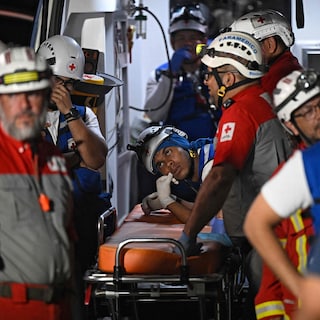
Live - Dodental opgelopen tot bijna 2.600 • Man na acht dagen levend van onder het puin gehaald na dodelijke aardbevingen in Venezuela
de morgen · about 18 hours ago
Erdbeben: IWF und Weltbank bieten Venezuela Hilfe an
orf.at · about 18 hours ago
Venezuela quake death toll rises to nearly 2,600 The death toll from last weeks powerful earthquakes in Venezuela has risen to 2,595, according to acting President Delcy Rodríguez. The two earthquakes, measuring magnitudes 7.2 and 7.5, struck on Wednesday, June 24, causing 189 buildings to collapse. Although thousands of people remain missing, authorities have no plans for mass graves, and search and rescue […]
cphpost · about 18 hours ago

Au Venezuela, la colère de la population face à lincurie de lÉtat: "Si on ne fait rien, personne ne vient nous aider La grogne populaire monte face à linefficacité du pouvoir. Malgré la mise en place de létat durgence et dun deuil national de sept jours, les autorités sont accusées dabandonner la population, qui sen remet à laide internationale, massivement déployée. ...
la libre · about 18 hours ago
📰 6.2 earthquake hits eastern IndonesiaThe tremor hit at a depth of 120 kilometres, roughly 58 kilometres west of Tobelo in North Maluku province, and officials confirmed there is no tsunami threat. #UKNews #Europe
mastodon bot · about 18 hours ago
Relief efforts shift as Venezuela quake survivors seek aid Emergency relief is becoming the focus in Venezuelas La Guaira state as aid stations distribute food.
aljazeera · about 18 hours ago
Venezuelské zemětřesení už si vyžádalo 2595 obětí. Stále jsou pohřešované desítky tisíc lidí Počet potvrzených obětí zemětřesení ve Venezuele vzrostl na 2595, uvedla podle světových agentur ve čtvrtek večer (v pátek nad ránem SELČ) prozatímní prezidentka Delcy Rodríguezová. Pátrání po přeživších po otřesech z 24. června stále pokračuje, dodala politička, podle níž živel zcela zničil 189 domů. Pohřešováno je několik desítek tisíc lidí.
irozhlas.cz · about 19 hours ago
Počet obetí zemetrasenia vo Venezuele stúpol na 2595, nezvestné sú desaťtisíce ľudí Ničivé zemetrasenie vo Venezuele má už najmenej 2 595 obetí a vyše 12-tisíc zranených. Dočasná prezidentka Delcy Rodríguezová potvrdila nárast počtu mŕtvych, pričom pod troskami takmer 60-tisíc budov sú naďalej nezvestné desaťtisíce ľudí.
aktuality.sk · about 19 hours ago
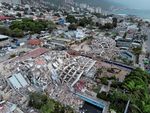
Fast 2600 Tote nach Erdbeben in Venezuela 38.500 Menschen gelten laut einer inoffiziellen Liste als vermisst. Laut Interimspräsidentin Rodriguez ist die Such- und Rettungsarbeiten noch nicht beendet
der standard · about 19 hours ago

Man pulled from rubble in miraculous rescue 8 days after devastating Venezuela earthquakes
news.yahoo.com · about 19 hours ago
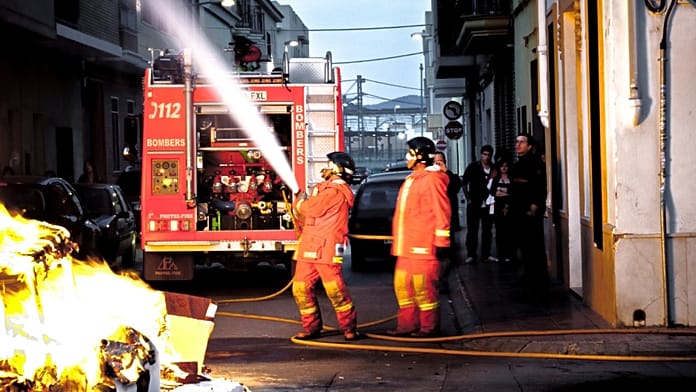
Fire in squatters homes forces evacuation of 80 residents in Valencia A fire that broke out on Thursday in two ground-floor flats forced the preventive evacuation of 80 residents from two blocks in Valencia due to smoke; no injuries were reported, according to municipal sources.
euronews · about 21 hours ago

Après huit jours sous les décombres, Hernán Gil a été extrait vivant au Venezuela Lhomme, âgé de 43 ans, avait survécu à leffondrement dun immeuble de neuf étages lors du terrible tremblement de terre qui a ravagé le Venezuela. Après huit longues journées sous les décombres, il a finalement été libéré par les secouristes, et ses jours ne seraient pas en danger.
courrier international · about 22 hours ago

How Machados Return to Venezuela Got Derailed After U.S. Resistance The opposition leaders plan to return home after devastating earthquakes unraveled in midflight.
wsj · about 22 hours ago
Rescuers pull man alive from Venezuela quake rubble nearly eight days later Rescuers dug out alive a 44-year-old security guard trapped in the ruins of the mall where he worked in the Venezuelan state of La Guaira, more than a…
japantoday · about 22 hours ago
Venezuelan maanjäristykset | Romahtaneessa ostoskeskuksessa kahdeksan päivää ollut mies pelastettiin 44-vuotias mies pysyi raunioissa elossa poikkeuksellisen pitkään.
helsingin sanomat · about 22 hours ago