Loading…
 Tuesday, September 29Tuesday, September 29
3 months · 10 summary articles
Budapest celebrated its first legal Pride march in a generation on Saturday, as thousands took to the streets in sweltering 40°C heat to mark the 31st Budapest Pride under a new government that has reversed Viktor Orbán’s ban on the event. The march, which began at the Opera House at 3 p.m. and wound through the city center toward Vérmező Park, proceeded without police interference despite a law still on the books that was used last year to attempt to block the parade . Budapest Mayor Gergely Karácsony, who received word just minutes before the march started that a criminal case against him for organizing last year’s banned Pride had been dropped, addressed the crowd at the end of the route .
The reversal of fortune for Hungary’s LGBTQ+ community follows the electoral defeat of Orbán’s government and the appointment of pro-European Prime Minister Peter Magyar, whose administration has allowed the Pride march to proceed legally for the first time since 2010 . “Today we celebrate that LGBTQ+ people will have a better life here in Hungary,” Swedish Minister for International Development Cooperation and Foreign Trade Benjamin Dousa told reporters at the Opera House gathering . RFSL Swedish Federation President Lovise Brade called the march “an enormous demonstration that contributed to the political shift in Hungary” .
Despite the heat and the absence of last year’s protest imperative, organizers and participants emphasized that challenges remain. Far-right activists removed rainbow flags from the Elisabeth Bridge ahead of the event and replaced them with Hungarian flags, prompting police to increase security along the route . Hungarian polling cited by RFI researcher Ambre Bruneteau shows that more than two-thirds of the population now supports same-sex marriage, a stark contrast to the rhetoric of the Orbán era .
The Budapest Pride march took place as similar celebrations unfolded across Europe, from Oslo’s rainbow-filled streets—where Mayor Anne Lindboe declared the city “a rainbow city” and vowed to defend queer rights amid rising pressures elsewhere—to Helsinki, where a Pride parade drew praise from participants for its scale and spirit . In Dublin, organizers hosted a weekend of performances and club nights as the city’s streets filled with color and music .
Follow us for live European news
2 further sources not geolocated
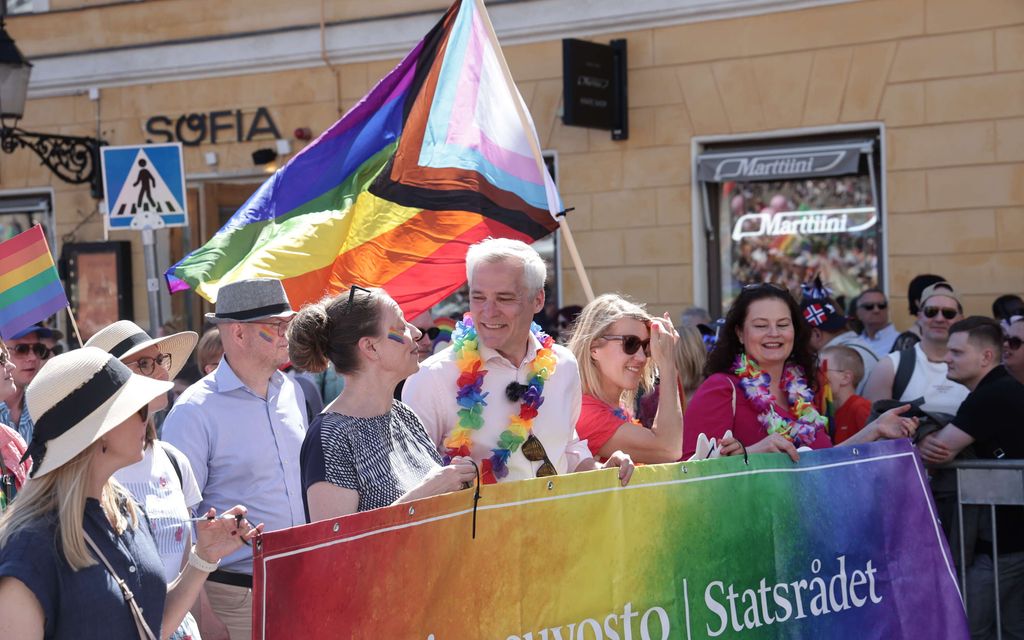
Pride-jättikulkue Helsingin keskustassa sai osallistujilta ylistystä
iltalehti · 3 months ago

Burgemeester Carola Schouten getrouwd in Rotterdam Carola Schouten (48), de burgemeester van Rotterdam, is vandaag getrouwd. Zij en Coert Kleijwegt gaven elkaar het jawoord in het stadhuis in de Maasstad. Op Instagram deelt de burgemeester dat ze daarnaartoe reisde met de tram.
rtl nieuws · 3 months ago
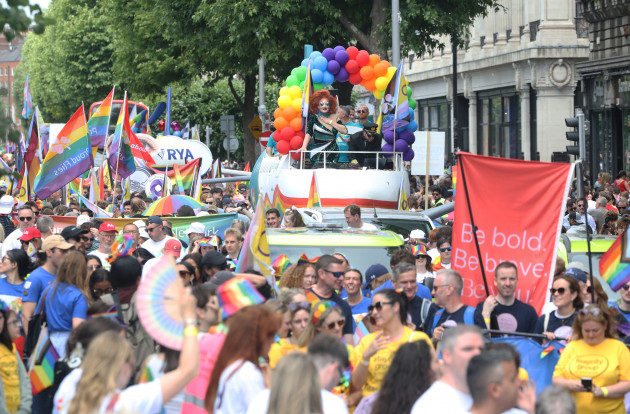
Dublin celebrates Pride with parade, performances and packed city streets A number of events and club nights are taking place across the city.
thejournal · 3 months ago
Förra årets parad förbjöds – i dag hålls Budapest Pride lagligt Förra året förbjöd Orbán-regeringen prideparaden i Budapest. Det här året, efter ett maktskifte i Ungern, ser det annorlunda ut.– Idag kommer vi fira att hbtqi-personer kommer få ett bättre liv här i Ungern, säger Benjamin Dousa (M), Sveriges bistånds- och utrikeshandelsminister, som är på plats för att gå paraden.
expressen · 3 months ago

Megszüntették a 2025-ös Pride megszervezése miatt indított büntetőeljárást Karácsony Gergely ellen Az erről szóló levelet éppen az idei Budapest Pride napján kapta kézhez a főpolgármester.
hvg.hu · 3 months ago
Van pride-verbod naar hoop onder LHBTIers in Hongarije Jarenlang werden ze in Hongarije afgeschilderd als een gevaar voor de samenleving. Premier Orbán deed er alles aan om de LHBTI-gemeenschap in Hongarije te onderdrukken. Onder de nieuwe premier Magyar lijkt hun situatie te verbeteren. Maar de littekens van de afgelopen 16 jaar zijn in de homo-gemeenschap nog aanwezig.
rtl nieuws · 3 months ago
Am Kolosseum vorbei: 80 Jahre Vespa: Rom feiert Kultroller mit Parade In Rom knattern Tausende Vespa-Roller durch das historische Zentrum. Fans aus aller Welt feiern den Kultroller mit einer bunten Parade - vorbei am Kolosseum und durch die Sommerhitze.
tagesspiegel · 3 months ago
Micsoda véletlen! A Pride indulása előtt pár perccel kapott levelet Karácsony Gergely a bíróságtól Az áll benne, hogy a tavalyi felvonulás megszervezése miatt ellene indított eljárást megszüntették.
444.hu · 3 months ago
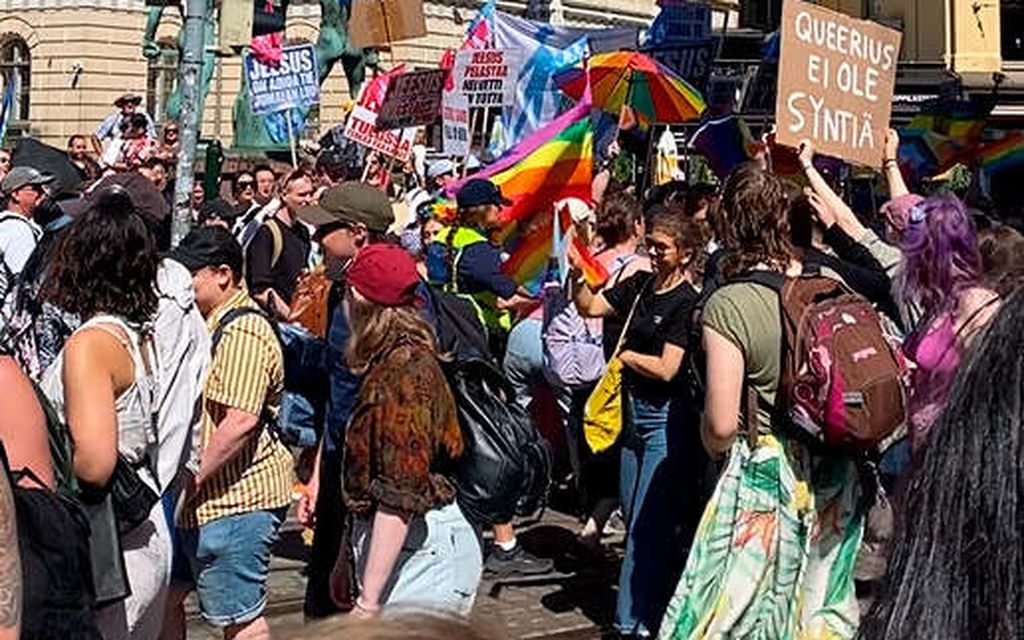
Välikohtaus Pride-kulkueessa: Yhtäkkiä poliisit hyökkäsivät
iltalehti · 3 months ago
Great American State Fair kicks off US 250th anniversary celebrations With a 110-foot Ferris wheel, a rodeo demonstration and an eye-popping array of junk food, The Great American State Fair opened on Washingtons National Mall on Thursday to start a 16-day celebration of the countrys 250th anniversary. While the first couple of days drew sparse crowds, it remains unclear what the July 4th holiday week […]
cyprus mail · 3 months ago
Elindult a Pride, a menetet már nem a kormányváltó düh mozgatja Persze, hogy kevesebben vannak, nem kell már tiltakozni semmi ellen, és baromi meleg van.
444.hu · 3 months ago
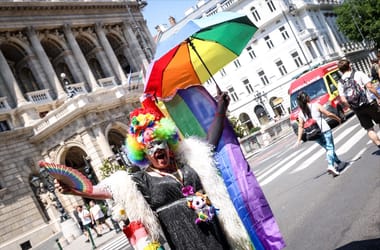
Óriási hőségben kezdődött meg a 31. Budapest Pride Kora délután megkezdődött meg a 31. Budapest Pride gyülekezője az Opera előtt Budapesten. A menet a tervek szerint délután háromkor indul el a Vérmező felé a belvároson keresztül, az esemény végén felszólal Karácsony Gergely főpolgármester is. Az Orbán-kormány tavaly a gyülekezési törvényt is módosította, hogy betiltsa a rendezvényt, amit végül a fővárosi önkormányzat segítségével minden idők legnagyobb magyarországi Pride-ja lett. A törvény ugyan máig érvényben van, de a rendőrség idén nem tiltotta be az eseményt. Kövesse velünk élőben.
hvg.hu · 3 months ago
Pride | Helsingin keskusta täyttyi väristä, kun Pride-kulkue marssi kaupungin läpi Kulkue lähti liikkeelle Senaatintorilta kohti Kaivopuistoa, jossa tapahtuma jatkui puistojuhlalla.
helsingin sanomat · 3 months ago
Efter Orbán – första lagliga prideparaden Prideparaden i Budapest har fått tillstånd från polisen – trots att samma evenemang var olagligt förra året. En enorm manifestation som bidrog till det politiska skiftet i Ungern, säger RFSL:s förbundsordförande Lovise Brade till SvD.
svenska dagbladet · 3 months ago
Budapest pride continues despite heat This Saturday marks Budapests first official Pride march since longtime LGBTQ rights opponent Viktor Orbán left office as prime minister. Thousands of people are expected to take part despite soaring temperatures. While this years parade has been fully authorised, tensions remain. France 24 correspondent Gulliver Cragg reports that several rainbow flags displayed on the Elisabeth Bridge ahead of the event were removed by far-right activists and replaced with Hungarian flags in an effort to prevent potential troubles.
france24 · 3 months ago
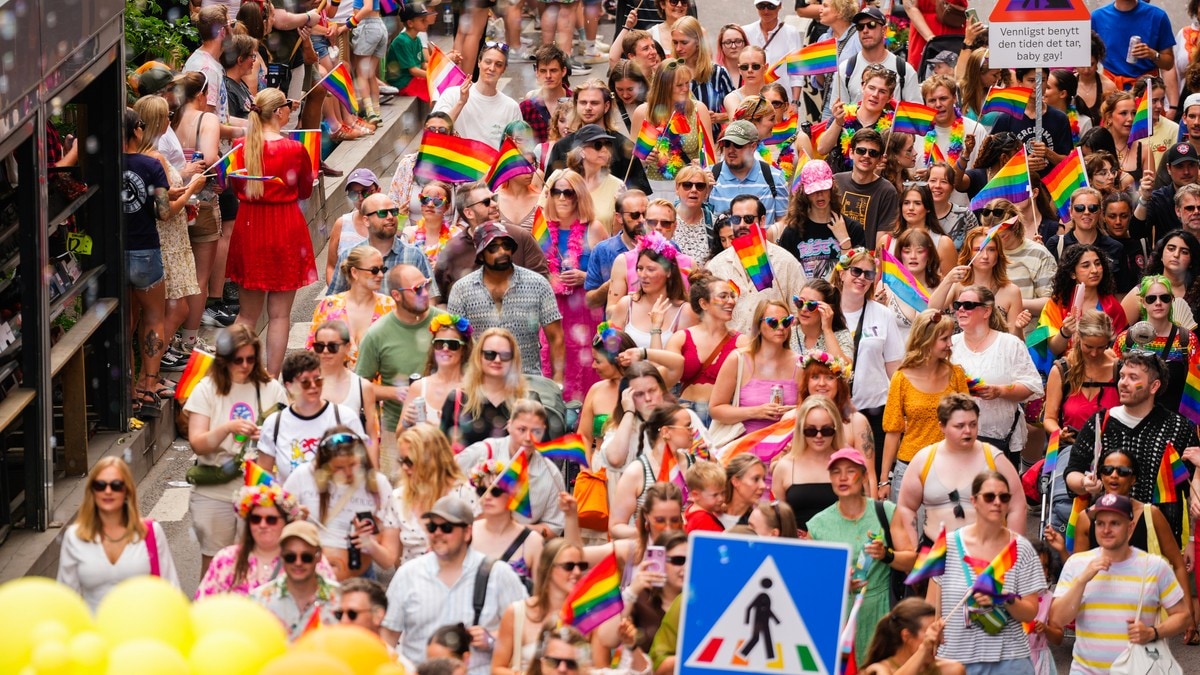
Hovedstaden i høygir Fotball, metal, pride, sol. Kjør!
nrk · 3 months ago
Tavaly örömünnep lett a Pride, de még most is bőven van miért kiállni Azzal, hogy az előző kormányt sikerült leváltani, nem oldódott meg varázsütésre minden probléma.
444.hu · 3 months ago
Maďarsko zavádza mimoriadne opatrenia: Premiér Magyar koordinuje boj s horúčavami počas Budapest Pride Budapeštiansky Pride sa uskutoční aj napriek červenému kódu horúčav a vládnym nariadeniam. Organizátori sľubujú bezpečnosť v meste rozpálenom na 40 stupňov.
aktuality.sk · 3 months ago
Ob mednarodnem dnevu gluhoslepih poudarek na vlogi tolmačev za enakopravno vključenost Ob mednarodnem dnevu gluhoslepih, ki je letos prvič 27. junija, so se zvrstila opozorila o vlogi tolmačev pri zagotavljanju samostojnosti in enakopravne vključenosti gluhoslepih.
rtv slovenia · 3 months ago
Pride | Orpo puolusti Pride-päivänä eheytyshoitojen kieltoa, jota hallitus ei toteuta Hallituspuolueista perussuomalaiset ja kristillisdemokraatit vastustaa eheytyshoitojen kieltoa.
helsingin sanomat · 3 months ago
Pravna mreža: Parkirni odlok ni bil umaknjen zakonito, zato še vedno velja Ljubljanski parkirni odlok ni bil umaknjen zakonito, zato še vedno velja, menijo v Pravni mreži za varstvo demokracije. Posledično se referendum o odloku lahko izvede.
rtv slovenia · 3 months ago
Pride | Pride-kulkue marssi kaupungin läpi Kulkue lähti liikkeelle Senaatintorilta kohti Kaivopuistoa, jossa juhlat jatkuvat puistojuhlalla.
helsingin sanomat · 3 months ago
A Pride előtt kétoldalú találkozót tartott Karácsony Gergely és Hadja Lahbib uniós biztos Az Európai Unió humanitárius segítségnyújtásért felelős biztosa Karácsony Gergely mellett több kormánytaggal is tárgyalt magyarországi tartózkodása során.
444.hu · 3 months ago
173 új tisztet avattak fel a Nemzeti Közszolgálati Egyetem ünnepségén + képek Az NKE idei végzősei közül a rendőrségnél 99-en, a Nemzeti Adó- és Vámhivatalnál 36-an, a katasztrófavédelem szerveinél 13-an, a büntetés-végrehajtási szervezetnél 21-en, illetve az Országos Idegenrendészeti Főigazgatóságnál négyen kezdik meg szolgálatukat.
hvg.hu · 3 months ago

Are you going to any Pride events this weekend? Parades are taking place across the country this weekend.
thejournal · 3 months ago
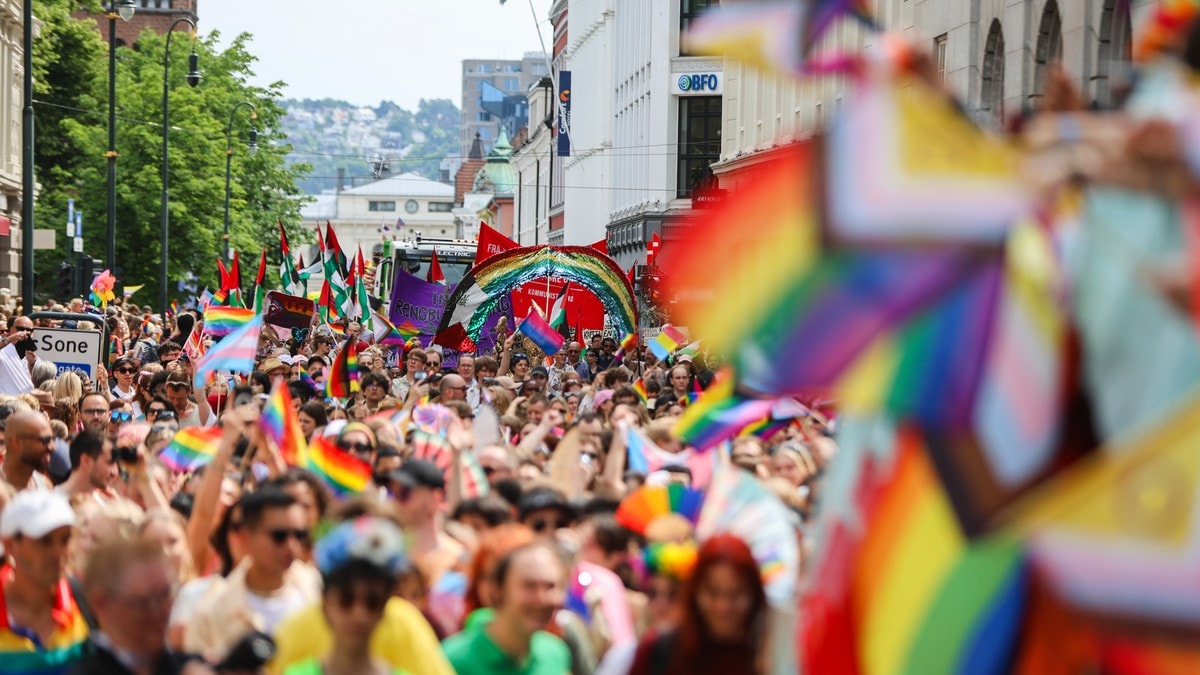
Nå er pride-paraden i gang: – Oslo er en regnbueby Årets pride-paraden er i full gang og flere tusen mennesker skal ta seg fra Grønland til pride Park på Kontraskjæret i Oslo. Bilder viser gater som er fulle av folk og er prydet med pride-flagg. Forrest går Anne Lindboe (H) som er ordfører i Oslo. – Oslo er en regnbueby, og vi er både glade og stolte av den skeive befolkningen i byen vår, sier hun. Hun forteller at skeives rettigheter er under press, både i Norge og internasjonalt. – Da skal vi vise i Oslo at vi står opp mot det. Her skal alle være trygge og få elske den de vil, få elske seg sjøl og være stolte av den du er, legger hun til. I fjor deltok rundt 100.000 mennesker i paraden og politiet melder at de forventer flere tusen mennesker som både deltar og er tilskuere. Der blir det full fest med både konserter og et rekordstort program med arrangementer over hele byen. Det er forventet at paraden vil vare rundt 1,5 timer fra start til slutt og trafikken i området rundt vil være stengt.
nrk · 3 months ago
Pride | Pride-kulkue liikkuu kohti Kaivopuistoa Kulkue lähti liikkeelle Senaatintorilta kohti Kaivopuistoa, jossa juhlat jatkuvat puistojuhlalla.
helsingin sanomat · 3 months ago
Regnbuefesten tar av i Oslo – her er Pride-paraden
aftenposten · 3 months ago
Koning Willem-Alexander woont ingekorte Veteranendag bij in Den Haag Koning Willem-Alexander (59) heeft zaterdag in Den Haag de ingekorte festiviteiten ter ere van Veteranendag bijgewoond. Gekleed in een warm militair uniform nam hij plaats in de Koninklijke Schouwburg, waar premier Rob Jetten (39) een speech gaf.
rtl nieuws · 3 months ago
Kevesebb pénz, több feszültség: felezik, harmadolják az európai Pride felvonulások költségvetését Most üt vissza a nemzetközi konzervatív lobbi, Madridtól Athénig kevesebb pénz jut a Pride-felvonulásokra, az aktivisták a felszínes marketing kampányok helyett valódi érdekvédelmet sürgetnek.
hvg.hu · 3 months ago