Loading…
 Tuesday, September 29Tuesday, September 29
3 months · 2 summary articles
EU slashes duty-free steel import quotas by nearly a third, doubles tariffs on excess volumes
EU adopts US trade tariff commitments with safeguards before Trump deadline
The European Union on Wednesday began enforcing sweeping new limits on tariff-free steel imports, slashing duty-free quotas by nearly a third and doubling the tariff on excess volumes to 50 percent as part of a broader push to shield domestic producers from global overcapacity. The measures, agreed in Brussels on 30 June 2026, take effect immediately and apply to 12 partner countries including Switzerland, the United Kingdom and Canada, while China faces the most severe reductions under the new regime.
Under the revised market-access rules, the EU’s combined duty-free steel quota for partner countries will fall from 27.3 million tonnes to 18.3 million tonnes annually, a 33 percent cut confirmed by a European Commission official . Any imports above these levels will now face a 50 percent duty, up from the previous 25 percent rate. Norway, Iceland and Liechtenstein—members of the European Economic Area—are exempt from the restrictions, but Switzerland’s request for an exemption was denied .
The United Kingdom’s steel sector will be among the hardest hit, with Brussels reducing its duty-free quota by nearly a quarter compared to 2025 volumes. British steelmakers have called for further negotiations to secure more generous country-specific allowances . The EU’s move follows similar protective steps taken by the UK, the United States and Canada, reflecting a coordinated effort to counter what Brussels describes as “systemic overcapacity,” particularly from China .
In a parallel trade shift, the EU on Wednesday also began eliminating tariffs on a range of US industrial goods, fulfilling a commitment made in last year’s EU-US trade accord. The elimination of duties on American products, including consumer items such as lobsters, takes effect on 2 July 2026, ending a long-standing irritant in transatlantic relations that had been exacerbated by threats from Washington earlier in the year .
The dual policy shift underscores the EU’s balancing act between defending its industrial base and maintaining strategic trade relationships. While Brussels seeks to de-escalate tensions with Washington, it is simultaneously tightening the screws on Chinese steel imports, with EU trade chief Valdis Dombrovskis warning in Brussels on Monday that Brussels would set an October 2026 deadline for tangible results in negotiations with Beijing . Analysts say the new steel quotas and tariffs mark a decisive turn toward managed trade in strategic sectors, with long-term implications for supply chains across Europe and beyond.
Follow us for live European news

Montenegró EU-csatlakozása nagyjából egy euróba kerül majd minden uniós adófizetőnek 2028-ban csatlakozhatnak.
444.hu · 3 months ago
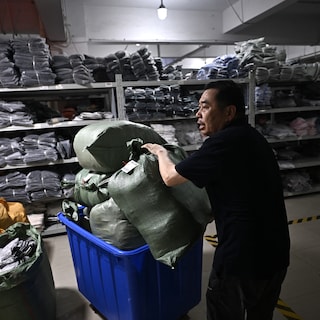
Strengere EU-regels moeten stroom van miljarden pakketjes uit Azië afremmen
trouw · 3 months ago
Welthandel: US-Hummer & Co. kommen zollfrei in die EU Werden bestimmte US-Produkte für Verbraucher in der EU künftig deutlich günstiger? Das wird sich ab diesem Mittwoch zeigen.
handelsblatt · 3 months ago
UE elimină de miercuri taxele vamale pentru produsele americane, în baza acordului comercial cu Washingtonul Uniunea Europeană va elimina începând de miercuri, 2 iulie, taxele vamale asupra produselor americane, aşa cum s-a angajat în acordul comercial negociat anul trecut cu Washingtonul.
digi24 · 3 months ago
Österreichs Außenhandel rutschte 2025 tief ins Minus
orf.at · 3 months ago
Industrie: EU verdoppelt Schutzzölle für Stahl Zum Schutz der heimischen Stahlhersteller halbieren die Europäer zugleich ihre Einfuhrquote. Das hat viel mit China zu tun – und mit Donald Trump.
sueddeutsche · 3 months ago
EU-Haushalt: Deutschland fordert EU-Kommission zum Kürzen auf Der Vorschlag für das künftige Budget sei „unbezahlbar und unausgewogen: Die Bundesregierung fordert Einsparungen von 400 Milliarden Euro.
sueddeutsche · 3 months ago
EU reduces duty-free import quota for Swiss steel Switzerland can now import less duty-free steel into the European Union than before. The duty-free import quotas into the EU for partner countries with an agreement are around 33 lower than before, said a European Commission official. This affects Switzerland and 11 other countries. From July 1, the EU will implement stricter protective measures on steel. Duty-free import quotas will be reduced by 47 to 18.3 million tonnes per year. Imports will be subject to a 50 tariff - up from 25. The countries of the European Economic Area (EEA) – Norway, Iceland and Liechtenstein – are exempt from the measure. Switzerland sought an exemption, which was not granted. Translated from German, sub-edited by mga
swissinfo · 3 months ago
EU to increase steel tariffs on trading partners Decision to slash duty-free quotas and double rate to 50 follows similar moves by the UK, US and Canada
financial times · 3 months ago
EU slashes import quotas on UK steel by nearly a quarter British steelmakers push ministers to continue talks with Brussels to realize more generous country-specific quotas.
politico.eu · 3 months ago
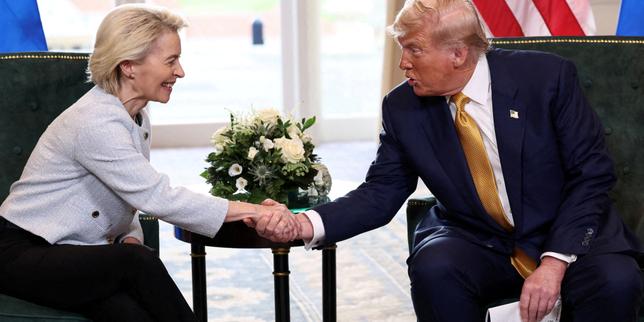
EU to implement trade deal with US starting Wednesday The European Union had previously agreed to remove duties on US industrial goods with Washington, but Trumps threats to Greenland earlier this year delayed the implementation of the accord.
le monde · 3 months ago

The EU has reached deals with a dozen close trading partners for smaller reductions in tariff-free steel import quotas, while China and other countries will bear the brunt of cuts under a new market access regime.
bluesky_Politico Europe · 3 months ago

The EU has announced it will cut tariff-free import quotas for U.K. steel by nearly a quarter of last years volumes, with new 50 percent tariffs applying above those quotas.
bluesky_Politico Europe · 3 months ago

Key US complaints against Canada ahead of trade review reut.rs/4eDQ8Zv
bluesky_Reuters · 3 months ago
România, pe primul loc în UE la taxarea salariilor. Doar alte șase state depășesc pragul de o treime din salariul brut reținut prin contribuții România ocupă primul loc în Uniunea Europeană în ceea ce privește ponderea salariului brut reținută prin taxe și contribuții sociale, potrivit datelor Eurostat pentru anul 2025, publicate la jumătatea anului 2026.
adevarul · 3 months ago
Nestlé elimina i coloranti artificiali da tutti i suoi prodotti: La svolta entro la fine dellanno La multinazionale aveva già provveduto a levarli dal mercato statunitense. Stessa via intrapresa anche da Mars con gli M&ms
corriere · 3 months ago
EU senkt Einfuhrquoten für Stahl deutlich
orf.at · 3 months ago
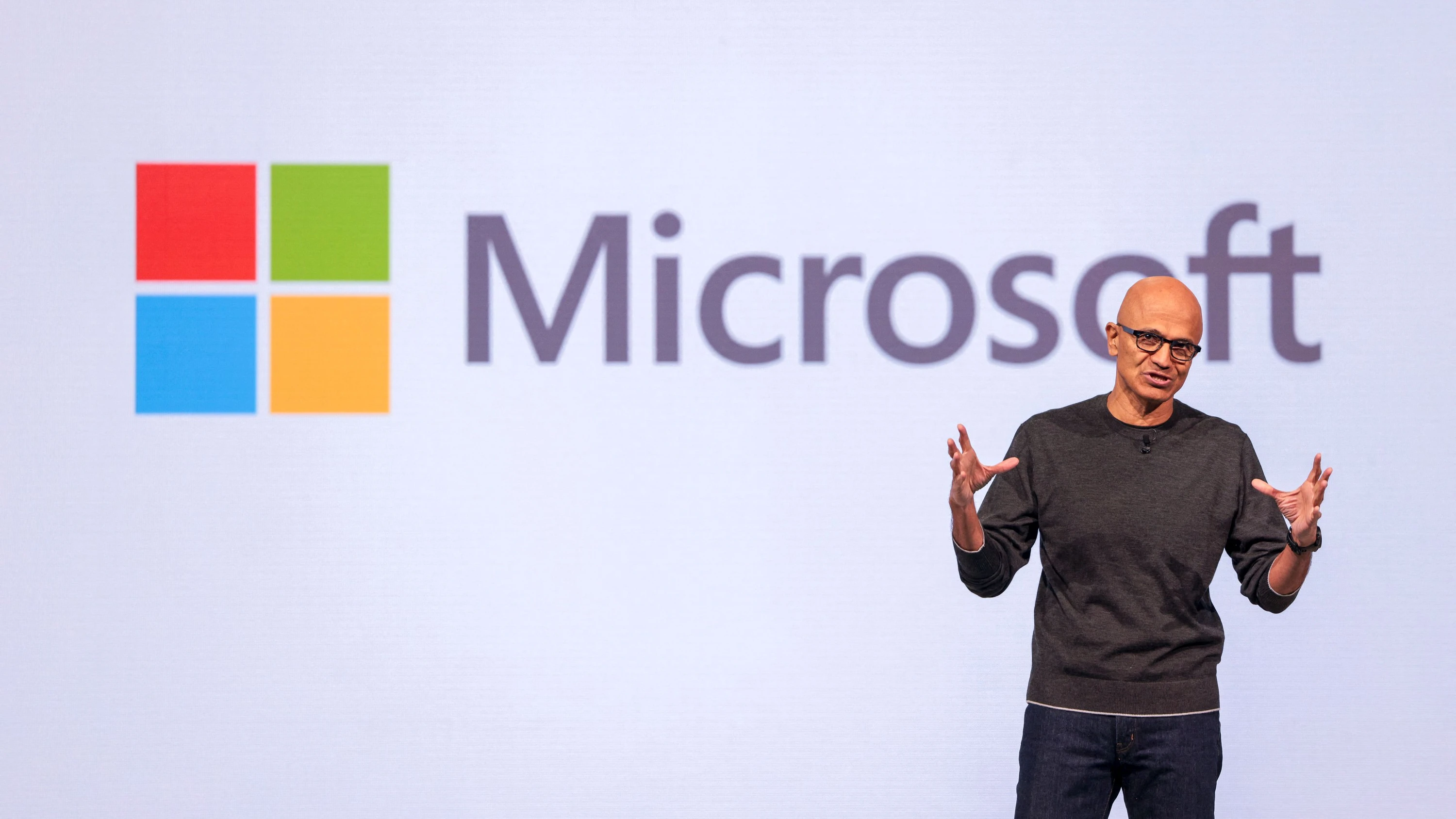
Software-konzern: Microsoft zahlt 6,3 Milliarden Dollar Steuern in der EU Milliarden fließen nach Irland, Deutschland bekommt nur ein kleines Stück vom Steuerkuchen. Was steckt hinter Microsofts Steuerstrategie in Europa?
faz · 3 months ago
Tariffs are not the solution | Neue Zürcher Zeitung - Switzerland
eurotopics.net · 3 months ago

EU to Limit Tariff-Free Steel Imports, Hike Duties When They Apply The European Union will limit the amount of tariff-free steel its member states can import from Wednesday, as part of efforts to protect the blocs steel industry from overcapacity.
wsj · 3 months ago
EU sets October deadline to get tangible results with China
gdeltproject.org · 3 months ago
Austria Urges Anthropic to Move to EU to Avoid US Controls
gdeltproject.org · 3 months ago
Listen: Whats stopping the EU from being tougher against China? – EUobserver
gdeltproject.org · 3 months ago
UK automotive sector at risk over ZEV mandate, EU tariffs and soaring energy costs
gdeltproject.org · 3 months ago
EU-Grenzsystem EES: Technikprobleme, Schlangen, Chaos zu Beginn der Urlaubszeit Europas neues Einreisesystem kämpft zum denkbar ungünstigsten Zeitpunkt mit fehlender Hardware, überhitzten Scannern und Wartezeiten bis zu dreieinhalb Stunden. (EU, Security)
golem.de · 3 months ago

EXCLUSIVE: US working on ban targeting Chinese energy inverters, sources say reut.rs/3SV6jJj
bluesky_Reuters · 3 months ago
![La orden de embargo del Instituto Cervantes en Utrecht: el Gobierno neerlandés ordenó dejarla sin efecto y España la ha recurrido
📲 ¡Pincha aquí y sigue el canal de WhatsApp de Maldita.es para que no te la cuelen!
El origen de la orden de embargo está en Eurus Energy, que ganó una demanda contra España ante un tribunal internacional por los recortes retroactivos que hizo el Gobierno español a los incentivos económicos que ofrecía a los inversores en renovables en el país. El tribunal obligó a España a pagar 106,2 millones de euros más intereses a Eurus Energy. El 19 de marzo de 2026, el Tribunal de Distrito de La Haya autorizó que se pudiera cobrar esa deuda, lo que permitió a un agente judicial holandés aprobar la orden de embargo (medida de ejecución) sobre el edificio de la sede del Instituto Cervantes en Utrecht, por ser una propiedad del Estado español en Países Bajos. Eurus Energy explica a Maldita.es que la empresa no tiene ninguna implicación en las actuaciones relativas al edificio y que la sentencia del caso Eurus Energy contra España fue asignada a Blasket Renewable Investments, un fondo de inversión, el mismo que reclamó al Tribunal de Distrito de La Haya cobrar la deuda que tenía España con Eurus Energy. El Ministerio para la Transición Ecológica explica que fondos como Blasket Renewable Investments han comprado los laudos (sentencias de tribunales arbitrales) contra España y tratan de ejecutarlos. Hemos preguntado al bufete de abogados que ha representado a Blasket si el fondo ha comprado el laudo del caso de Eurus Energy contra España, pero a 29 de junio de 2026 no hemos recibido respuesta. La orden del levantamiento del embargo por parte del Gobierno neerlandés se explica por un mecanismo legal que no existe en España, donde solo un juez puede revocar un embargo. En Países Bajos, el agente judicial (o bailiff) es quien ejecuta materialmente los embargos tras la autorización de un tribunal, pero no forma parte del juzgado. La ley que regula su actividad permite al Ministerio de Justicia declarar que una actuación de un agente judicial es contraria a las obligaciones internacionales del Estado (por ejemplo, si afecta a bienes de un Estado extranjero protegidos por la inmunidad soberana, como ocurre con sedes diplomáticas o culturales). Esto impide que la actuación se lleve a cabo o, si esta ya se ha realizado, revocarla [Artículo 3a]. España ha emprendido acciones legales en Países Bajos para impedir que se ejecute la orden, argumentando que pagarla es contrario al derecho de la Unión Europea y que el edificio del Instituto Cervantes en Utrecht, al ser propiedad del Estado, tiene inmunidad y no puede ser embargado, según explica el Ministerio de la Presidencia: Se defiende la inmunidad de ejecución del inmueble, mediante un procedimiento sumario ante el Tribunal de Distrito de Róterdam en el que la Comisión Europea interviene apoyando la posición española. El Tribunal de Distrito de Róterdam ha explicado a Maldita.es que la vista está fijada para el 30 de junio de 2026 y que la decisión se emitirá en un plazo máximo de dos semanas. El Ministerio de la Presidencia explica que España también estudia recurrir la decisión judicial del Tribunal de Distrito de La Haya, que autorizó cobrar la deuda, por considerarla contraria al derecho europeo.El Ministerio de la Presidencia explica que la resolución del Gobierno neerlandés que ordenó levantar la orden de embargo y que reconoce la inmunidad del edificio del Instituto Cervantes en Utrecht fue recurrida por el propio agente judicial que la ordenó. Según explica el mismo Ministerio, el asunto sigue pendiente ante el Tribunal de Distrito de los Países Bajos Centrales en Utrecht. El Ministerio señala que ningún tribunal ha dictado ninguna resolución judicial que cambie la titularidad, posesión o uso del edificio, y el Instituto Cervantes afirma que la actividad del centro continúa con total normalidad.](https://files.maldita.es/uploads/images/2026/06/6a43d1783895220260616-paises-bajos-embarga-instituto-cervante-png.png)
La orden de embargo del Instituto Cervantes en Utrecht: el Gobierno neerlandés ordenó dejarla sin efecto y España la ha recurrido 📲 ¡Pincha aquí y sigue el canal de WhatsApp de Maldita.es para que no te la cuelen! El origen de la orden de embargo está en Eurus Energy, que ganó una demanda contra España ante un tribunal internacional por los recortes retroactivos que hizo el Gobierno español a los incentivos económicos que ofrecía a los inversores en renovables en el país. El tribunal obligó a España a pagar 106,2 millones de euros más intereses a Eurus Energy. El 19 de marzo de 2026, el Tribunal de Distrito de La Haya autorizó que se pudiera cobrar esa deuda, lo que permitió a un agente judicial holandés aprobar la orden de embargo (medida de ejecución) sobre el edificio de la sede del Instituto Cervantes en Utrecht, por ser una propiedad del Estado español en Países Bajos. Eurus Energy explica a Maldita.es que la empresa no tiene ninguna implicación en las actuaciones relativas al edificio y que la sentencia del caso Eurus Energy contra España fue asignada a Blasket Renewable Investments, un fondo de inversión, el mismo que reclamó al Tribunal de Distrito de La Haya cobrar la deuda que tenía España con Eurus Energy. El Ministerio para la Transición Ecológica explica que fondos como Blasket Renewable Investments han comprado los laudos (sentencias de tribunales arbitrales) contra España y tratan de ejecutarlos. Hemos preguntado al bufete de abogados que ha representado a Blasket si el fondo ha comprado el laudo del caso de Eurus Energy contra España, pero a 29 de junio de 2026 no hemos recibido respuesta. La orden del levantamiento del embargo por parte del Gobierno neerlandés se explica por un mecanismo legal que no existe en España, donde solo un juez puede revocar un embargo. En Países Bajos, el agente judicial (o bailiff) es quien ejecuta materialmente los embargos tras la autorización de un tribunal, pero no forma parte del juzgado. La ley que regula su actividad permite al Ministerio de Justicia declarar que una actuación de un agente judicial es contraria a las obligaciones internacionales del Estado (por ejemplo, si afecta a bienes de un Estado extranjero protegidos por la inmunidad soberana, como ocurre con sedes diplomáticas o culturales). Esto impide que la actuación se lleve a cabo o, si esta ya se ha realizado, revocarla [Artículo 3a]. España ha emprendido acciones legales en Países Bajos para impedir que se ejecute la orden, argumentando que pagarla es contrario al derecho de la Unión Europea y que el edificio del Instituto Cervantes en Utrecht, al ser propiedad del Estado, tiene inmunidad y no puede ser embargado, según explica el Ministerio de la Presidencia: Se defiende la inmunidad de ejecución del inmueble, mediante un procedimiento sumario ante el Tribunal de Distrito de Róterdam en el que la Comisión Europea interviene apoyando la posición española. El Tribunal de Distrito de Róterdam ha explicado a Maldita.es que la vista está fijada para el 30 de junio de 2026 y que la decisión se emitirá en un plazo máximo de dos semanas. El Ministerio de la Presidencia explica que España también estudia recurrir la decisión judicial del Tribunal de Distrito de La Haya, que autorizó cobrar la deuda, por considerarla contraria al derecho europeo.El Ministerio de la Presidencia explica que la resolución del Gobierno neerlandés que ordenó levantar la orden de embargo y que reconoce la inmunidad del edificio del Instituto Cervantes en Utrecht fue recurrida por el propio agente judicial que la ordenó. Según explica el mismo Ministerio, el asunto sigue pendiente ante el Tribunal de Distrito de los Países Bajos Centrales en Utrecht. El Ministerio señala que ningún tribunal ha dictado ninguna resolución judicial que cambie la titularidad, posesión o uso del edificio, y el Instituto Cervantes afirma que la actividad del centro continúa con total normalidad.
maldita · 3 months ago
Farming sector faces contraction as EU livestock levels drop in 2025 The European Union saw a widespread reduction in its livestock populations throughout 2025, according to official statistics released by Eurostat. New data indicates that the bloc held 131.5 million pigs, 71.6 million bovine animals, 55.3 million sheep and 10.2 million goats. Compared with the figures from the previous year, every monitored livestock population registered a […]
cyprus mail · 3 months ago
Schutzmassnahmen im Handel – EU reduziert zollfreie Importmenge von Schweizer Stahl Die EU reduziert die zollfreien Stahleinfuhren für Partner mit Abkommen um rund 33 Prozent. Eine Ausnahme gibt es nicht.
srf.ch · 3 months ago

"Promesse tenue": les produits américains détaxés à partir de mercredi dans lUE LUnion européenne supprimera à compter de mercredi ses droits de douane sur les produits américains, comme elle sy était engagée dans laccord commercial négocié lan dernier avec Washington. ...
la libre · 3 months ago