
President Nicuor Dan appoints Eugen Tomac as Romania's new prime minister
Story Timeline
4 months · 22 summary articles
Romania’s political deadlock ended on Friday when President Nicușor Dan named Eugen Tomac, a centre-right independent MEP, as the country’s next prime minister, tasking him with forming a technical government to break the six-week impasse. The announcement came after Dan met UDMR leader Kelemen Hunor on Friday morning, following failed negotiations with PSD, PNL, and USR that had left Romania without a functioning cabinet since Ilie Bolojan’s interim government collapsed in late April.
Tomac, a former MEP for the People’s Movement Party (PMP) who now sits as an independent, has pledged to propose a non-political cabinet focused on stability and EU funding access. Speaking after his nomination, he told *Le Monde* that his government would prioritise “technical solutions” rather than partisan agendas . The move is widely seen as an attempt to sidestep the deep distrust between Romania’s major parties, particularly PSD and PNL, which have repeatedly clashed over governance and corruption allegations.
PNL leader Bolojan, whose interim government was toppled by a PSD-led censure motion, reacted with scepticism. “We have completely lost trust in PSD,” he told Digi24 on Thursday, accusing the party of preferring a technocratic government precisely because it allows them to evade accountability for the crisis . Bolojan, who has seen his party’s polling improve despite PSD’s attacks, now faces pressure to rebuild PNL’s credibility ahead of the 2028 elections. “We will work on reconstructing the party and crafting a project for 2028,” he told Digi24 on Friday .
The opposition was quick to criticise the nomination. AUR senator Petrișor Peiu dismissed Tomac as “a party activist, not a technocrat,” and called for snap elections instead . Meanwhile, PNL’s Ciprian Ciucu accused Dan of “decriminalising PSD” by bypassing party leaders in favour of an independent, arguing that anti-party rhetoric risks destabilising governance .
Tomac’s nomination also drew international attention, with RFI describing him as a “pro-European” figure whose selection could ease tensions with Brussels over rule-of-law concerns . His past criticism of Serbian President Vučić, including remarks on civilian deaths in Kosovo, further underscores his alignment with EU values .
With parliament set to vote on Tomac’s cabinet next week, the coming days will test whether a technical government can deliver the stability Romania desperately needs—or whether the political infighting will continue unabated.
Follow us for live European news
Articles
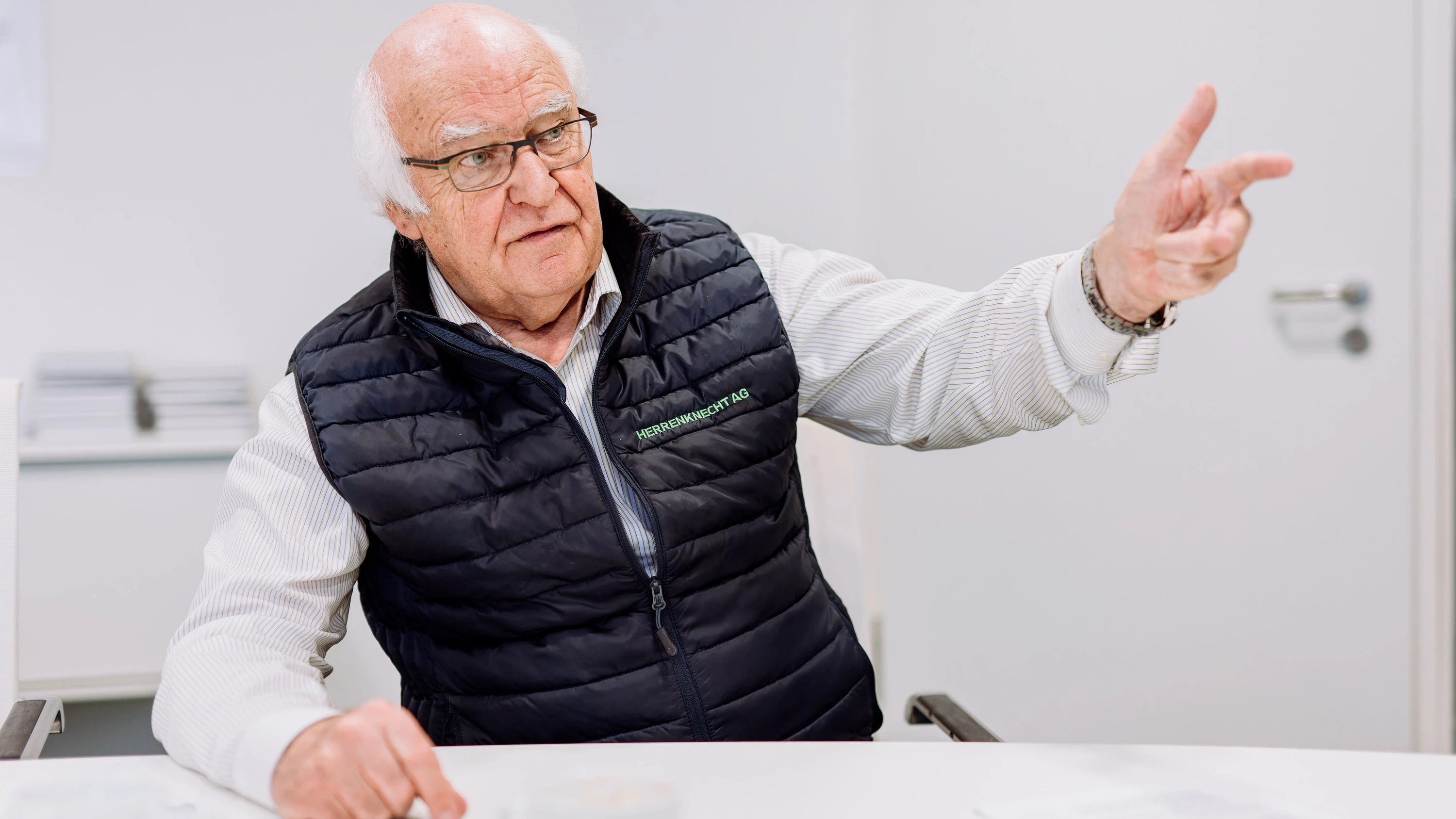
Interview mit Martin Herrenknecht: „Unser Land ist auf dem Weg zu einer Bananenrepublik Der Unternehmer Martin Herrenknecht ist unzufrieden mit der Politik. Ein Interview über die Lage der Nation, das Manko von Friedrich Merz und darüber, warum er eine Übernahme der Commerzbank bedauern würde.
faz · 4 months ago

ÎNTREBAREA SĂPTĂMÂNII: Ce viitor politic mai are Ilie Bolojan după căderea Guvernului? „Paradoxal, Ilie Bolojan a început să crească în sondaje exact în momentul în care a fost atacat de PSD. În România, cea mai sigură metodă de a-ți distruge viitorul politic este să apari în aceeași fotografie cu PSD", spune Florin Negruțiu. Claudiu Pândaru adaugă: „Problema lui Bolojan este că fotografia cu PSD există deja. Iar dacă vrea să aibă un viitor politic, trebuie să reformeze și Partidul Național Liberal."
digi24 · 4 months ago
Keskusta | Puolustusvoimat haluaa valtavasti lisää rahaa – Se ei käy, sanoo Antti Kaikkonen Keskusta on ehdolla seuraavaan hallitukseen, jonka pitää karsia valtion menoja ennennäkemättömällä tavalla.
helsingin sanomat · 4 months ago
Monsieur Roland Lescure, lEtat ne doit plus faire payer aux femmes les fautes de leur mari Si les femmes sont autonomes en droit elles restent injustement dépendantes de leur mari devant limpôt. Dans une lettre ouverte au ministre de lEconomie, un collectif demande den finir avec la solidarité fiscale entre époux.
liberation · 4 months ago
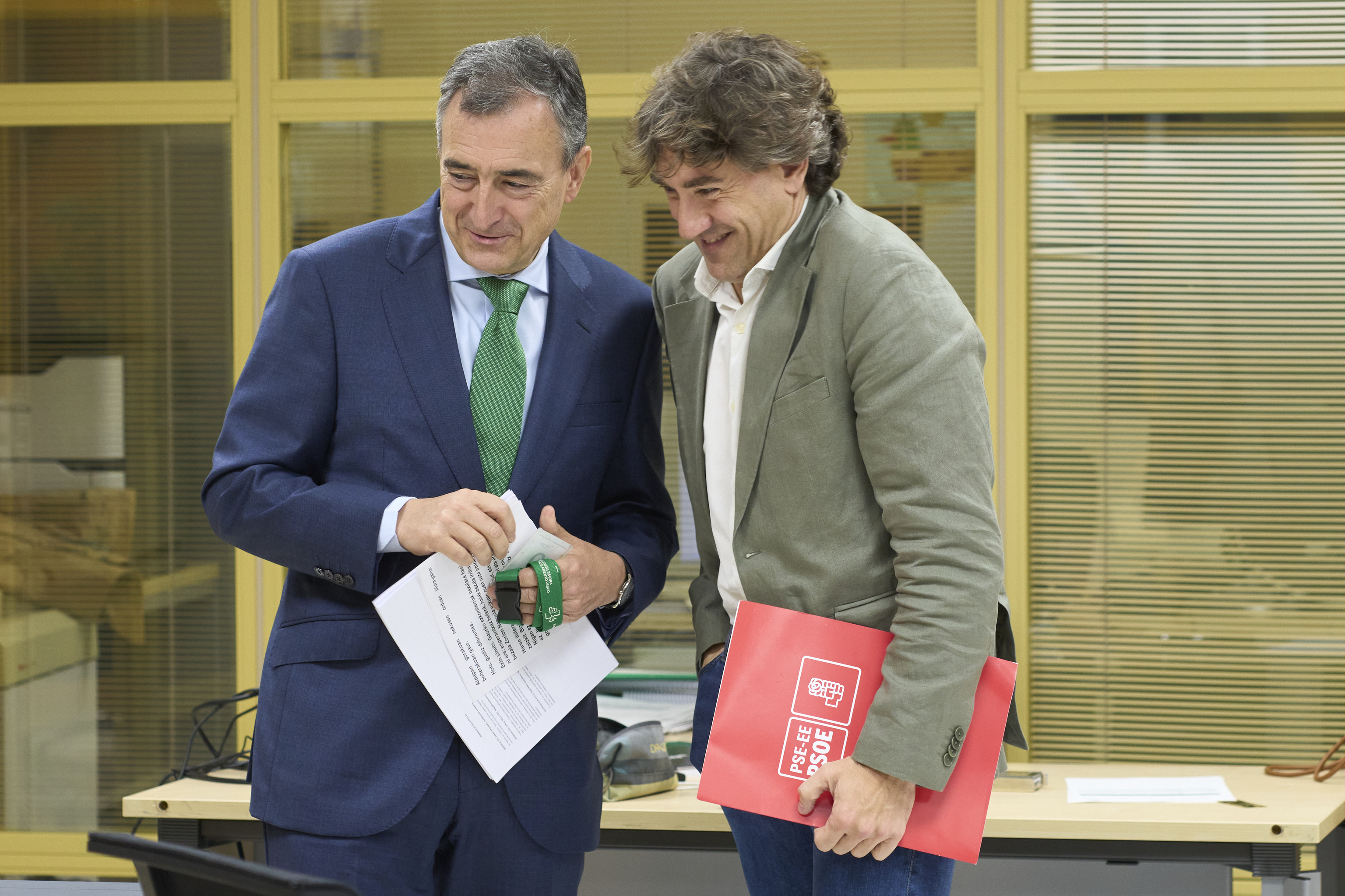
El PNV aparca ahora las elecciones anticipadas y le da aire a Sánchez Aitor Esteban obvia la exigencia de comicios generales en 2026 y traslada el foco hacia el PP para rechazar de plano apoyar una hipotética moción de censura instrumental Leer
elmundo · 4 months ago
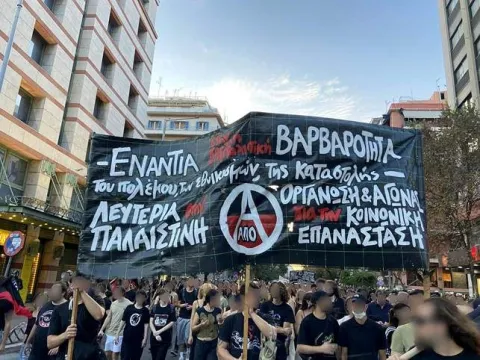
Interview with APO (Anarchist Political Organisation, Greece) at the IFA Congress Interview with AΠΟ – Αναρχική Πολιτική Οργάνωση, Ομοσπονδία Συλλογικοτήτων – Anarchist Political Organisation – Federation of collectives (Greece), member of IFAby Ouzo, Fédération Anarchiste Marseille – groupe OaïOuzo (FA) : Morning comrades, this interview follows the 13th Congress of IFA which you organised here in Athenes. Can you share with us the story of your organisation that is 10 years old this year ? From which political context it emerged? How are you organised as a federation ?APO :The Anarchist Political Organization – Federation of Collectives (APO), was founded as a federalist organization active in Greece since 2015 and a member of the International Federation of Anarchist Associations (IFA). Currently, three anarchist collectives participate in APO, two from Athens, the anarchist collective Circle of Fire and the anarchist collective Omicron72 and one from Thessaloniki, the collective for social anarchism Black and Red. The collectives & groups are active also through their own squats and self-organized structures. More specifically, the collective Circle of Fire through the squat Lelas Karagianni 37 (founded in 1988) & the collective Omikron.72 through the anarchist – antiauthoritarian center Antipnoia (founded in 2007), the collective Black and Red though the libertarian center No Pasaran (founded in 2023, after the eviction of anarchist squat Mundo Nuevo, which founded in 2015). The autonomous action of the collectives in the cities in which each of them is active and their participation in local actions, processes and projects contribute in the direction of common goals and strategies that emerge within the common project of APO.APO is organized as a federation with its collectives being its cells, co-operating in a horizontal structure. It is constituted on coherent and adequate political agreements between anarchist collectives that shape their unified movement on a nationwide level through collective procedures in which they coexist equally. Since December 2015, A.P.O. publishes the anarchist newspaper Γη και Ελευθερία (in English Land and Freedom) and since December 2020 operates the website of libertarian counter-info Land and Freedom. Since 2017, we formed a specific thematic group against patriarchy by the women comrades of the groups and collectives of A.P.O. and has a stable and constant presence in the struggles against the state-capitalistic-patriarchic authoritarian system.A.P.O. is structured on common political beliefs, principles and positions and aims to acquire more and more coherent political agreements in order to be able to formulate long-term strategies of struggle. It seeks to spread the proposals of the anarchist struggle in the movement and society and to form consciences. To contribute in this way, for its part, to the creation of a coherent, radical movement. A movement that will put a stop to any attempt to manipulate, hijack and mediate social and class struggles and to integrate them by reformism. A movement that will clearly promote social revolution as the only realistic way to their final liberation of the people from below from domination and will connect the partial struggles to the overall revolutionary target of overthrowing the state and capital.The creation of the Anarchist Political Organization – Federation of Collectives ten years ago, is a political and organizational intersection of our functioning and action so far. This choice encapsulates conclusions and experiences from the struggles of yesterday as it is a product of critique and self-criticism while opening new perspectives for the transition from protest and rebellion to the ongoing struggle for social revolution. A.P.O. is the child of the social and class riots of December 2008 (taking under consideration the possibilities and also the limitations that were brought about) and of the great mobilization in 2010-2012. We are inspired by the libertarian movement of CNT-FAI, that through tough struggles, riots and mostly the class, social, political organization managed to make into practice the idea of general subversion of the state and capitalism and the development of social self-management.Ouzo (FA) : Thank you for this. I know that you are involved in many struggles, the students, the squat, palestine, trials support… How do you manage to impose your anarchist agenda within these struggles that are too often co-opted by authoritarians, Marxist, leftists… ?APO :For us, A.P.O. is the vehicle of struggle for our constant and consistent intervention in the battles of the social and class war, from the struggles against class exploitation, state repression, fascism and war, against the plunder of nature, against patriarchy and gender violence to the struggles for the defense of public spaces, of the public character of education and health care and the struggles in solidarity with refugees and immigrants and political prisoners. For the more effective diffusion of the anarchist vision of a society of equality, justice, freedom and solidarity, for social and class emancipation, for the organization of the struggle for social revolution and the creation of a bridge between everyday struggle and the vision of anarchy and libertarian communism.We seek to participate and intervene continuously and actively in the social and class struggles that are antagonistic to the state-capitalist plans, with the aim of radicalizing their content, the processes that frame them and the means of struggle. To interact with social and class projects, in every field of social life, in the workplaces, in schools, universities, neighborhoods, promoting the development of unmediated, anti-hierarchical and anti-institutional struggles.Within these fields, we are constantly in confrontation with reformism, a perception antagonistic to the revolutionary perspective. Its actors – whether they come from the forces of the parliamentary left, or from the bureaucratic trade union leaderships or from extra-parliamentary bodies and alternative organizations – systematically attempt to mediate social and class struggles and their people, through the assignment of initiatives to experts, thus limiting the scope and forms of the struggle, and ultimately leading to denervation, their distortion and slander.Therefore, it is our constant concern to fight against these reformist logics and perceptions within the struggles and to be constantly awake to prevent attempts to assimilate social and class resistances. Our distinct participation in the open processes of social and class struggle, with full respect for their autonomy, allows us to defend the self-organization and the unconstrained participation of all people in them and the choice of the means of struggle according to their capabilities. Through this vital interaction and the continuous enrichment of our political experiences, we constantly update our political discourse regarding the situation and the prospects of the social and class struggles today. At the same time, we promote the formation of stable structures of resistance in every social and class field, seeking to disseminate our anarchist positions and proposals, not only in the direction of highlighting the limitations of the partial struggles in the present, but promoting their continuous radicalization and connection with the overall prospect of Social Revolution. Ouzo : How do you feel about IFA after this congress you organised ? Meeting each others was a strong moment of international anarchist cooperation. What are your perspectives as a federation within the IFA ? APO :At this point we would like to say that we have not completed our assessment as APO for the Congress of the International of Anarchist Federations that took place in early April 2026 in Athens. This process will be completed in the immediate future, where we have scheduled our organizations Congress in early June 2026. For our part, however, we can submit a preliminary conclusions of this process, which we believe moved in a positive and productive context towards producing an international position on issues such as the intensification of state and capitalist brutality, the threat of generalization of war, fascism and internationalist solidarity among the oppressed, while offered interesting exchanges of experiences on the intensification of patriarchal violence and the plundering of nature and local peoples worldwide. We hope that this positive direction will continue, with joint agreements on additional issues and with initiatives that will have the horizon of strengthening anarchist positions, discourse and action.Especially in a period where military operations are expanding abroad and state repression is intensifying at home, we believe that the need for the anarchist movement to be able to form its political value and ideological framework is even more acute, both to influence the consciences of those from below and to defend its positions against the attempts to impose foreign perceptions of the anarchist struggle and the internationalist struggle solidarity. On the one hand, the very dynamics of the changes and overthrows sought by the rulers require the rapid reconstruction of the current at an international level, the urgent need to expand the network of contacts and communication of anarchists at an international level is proven, with the main aim of exchanging experiences, informing about how authoritarian politics is shaped in every geography and the social resistances that are manifested in every part of the planet. In addition, the debate at the international level on the war treaty and the generalized threat of war is crucial.It is literally a matter of life and death both for the movement and for societies and the oppressed, to be able to form and adopt as coherent as possible a stance amongst anarchists towards militarism, the threat of war and resistance to world domination. We believe that this can be achieved if the comrades in every geography manage to realize that as long as there are visible historical, political, social or even cultural differences between the individual societies (and therefore the movements) that are necessarily formed under the shadow of the nation state, which must be respected, at the same time todays anarchist analysis ascertains a single state and capitalist condition that dominates and oppresses the entire planet. The deepening of the relevant debate and the corresponding cooperation of anarchists at an international level are basic prerequisites for the strengthening of the anarchist struggle, that is, the strengthening of the very social and class resistances that can protect societies from the threat of war and the intensification of exploitation and oppression.Ouzo : Efcharisto para poli sidrofoi. Do you have something else to say ? A slogan to share ?Thank you very much for this interview and we send our solidarity to the comrades all over the world who are fighting in every corner of the earth for a society of Equals, without exploitation and oppression, without masters and slaves, for the new world that we carry in our hearts!As a closure, we will borrow a phrase from the indigenous Mapuche: MARICHIWEU! (We will win a thousand times)Long live Anarchy!source: IFA #anarchism #europe #greece #resistance
mastodon bot · 4 months ago
:format(jpg)/f.elconfidencial.com%2Foriginal%2Fe06%2F634%2F4a9%2Fe066344a9eebde401e4db9c5f2c29235.jpg)
Leire dispara los nervios en los socios del Gobierno mientras Feijóo aguarda a Ábalos, Zapatero y Begoña Los aliados del Ejecutivo ponen distancia con Sánchez: Junts y PNV insisten en ir a elecciones y los partidos de izquierda reclaman explicaciones. La tensión escala también en el PP, pero Génova quiere medir bien los tiempos
el confidencial · 4 months ago
:format(jpg)/f.elconfidencial.com%2Foriginal%2Ffb7%2Fc4e%2F8c6%2Ffb7c4e8c6b51ec5b97f86bb71be4aef0.jpg)
El PSOE-A se centra en las municipales y ya esboza sus candidaturas con la duda de Sevilla Solo el alcalde de Jaén no tendrá que someterse a primarias, pero hay varias apuestas claras: Josele Aguilar se enfrentará a Paco de la Torre en Málaga y habrá renovación en Huelva, Córdoba, Granada y Almería
el confidencial · 4 months ago
Reform der Pflegeversicherung: Nina Warken verteidigt Sparpaket in der Pflege gegen harte Kritik Wo viel verändert wird, gibt es viel zu kritisieren, sagt die Ministerin zum Widerstand gegen ihre Pläne. Verbände sprechen von »Zynismus« und einer »Bankrotterklärung«.
die zeit · 4 months ago
Prima reacție a lui Ilie Bolojan după ce Eugen Tomac a fost nominalizat premier Ilie Bolojan a declarat, joi seară, că cel mai probabil va fi o discuție a liberalilor cu premierul desemnat Eugen Tomac, luni, săptămâna viitoare. El și-a exprimat rezervele că un Guvern tehnocrat va putea avea rezultate în perioada următoare.
digi24 · 4 months ago
Ciprian Ciucu îl critică pe Nicușor Dan: „Am asistat la deculpabilizarea PSD. Nu mi se pare corect Prim-vicepreşedintele PNL Ciprian Ciucu a criticat, joi, decizia președintelui Nicușor Dan de a nominaliza un „independent pentru funcția de premier, susținând în același timp că „discursul anti-partide este de rău augur. Ciucu mai spune că a asistat azi la „deculpabilizarea PSD, deși e de vină pentru criza politică.
digi24 · 4 months ago
Bolojan: „Ne-am pierdut total încrederea în PSD. Le convine un guvern tehnocrat, pentru că îi ajută să fugă de răspundere Premierul interimar Ilie Bolojan, invitat să comenteze desemnarea lui Eugen Tomac de către președintele Nicușor Dan pentru postul de premier, și-a exprimat îndoiala că un guvern tehnocrat ar putea avea o guvernare cu rezultate și, totodată, a afirmat că el și Partidul Național Liberal (PNL) și-au pierdut total încrederea în ceea ce face PSD. În opinia sa, PSD a fugit de răspundere după ce a depus moțiunea de cenzură care a dărâmat Guvernul.
digi24 · 4 months ago
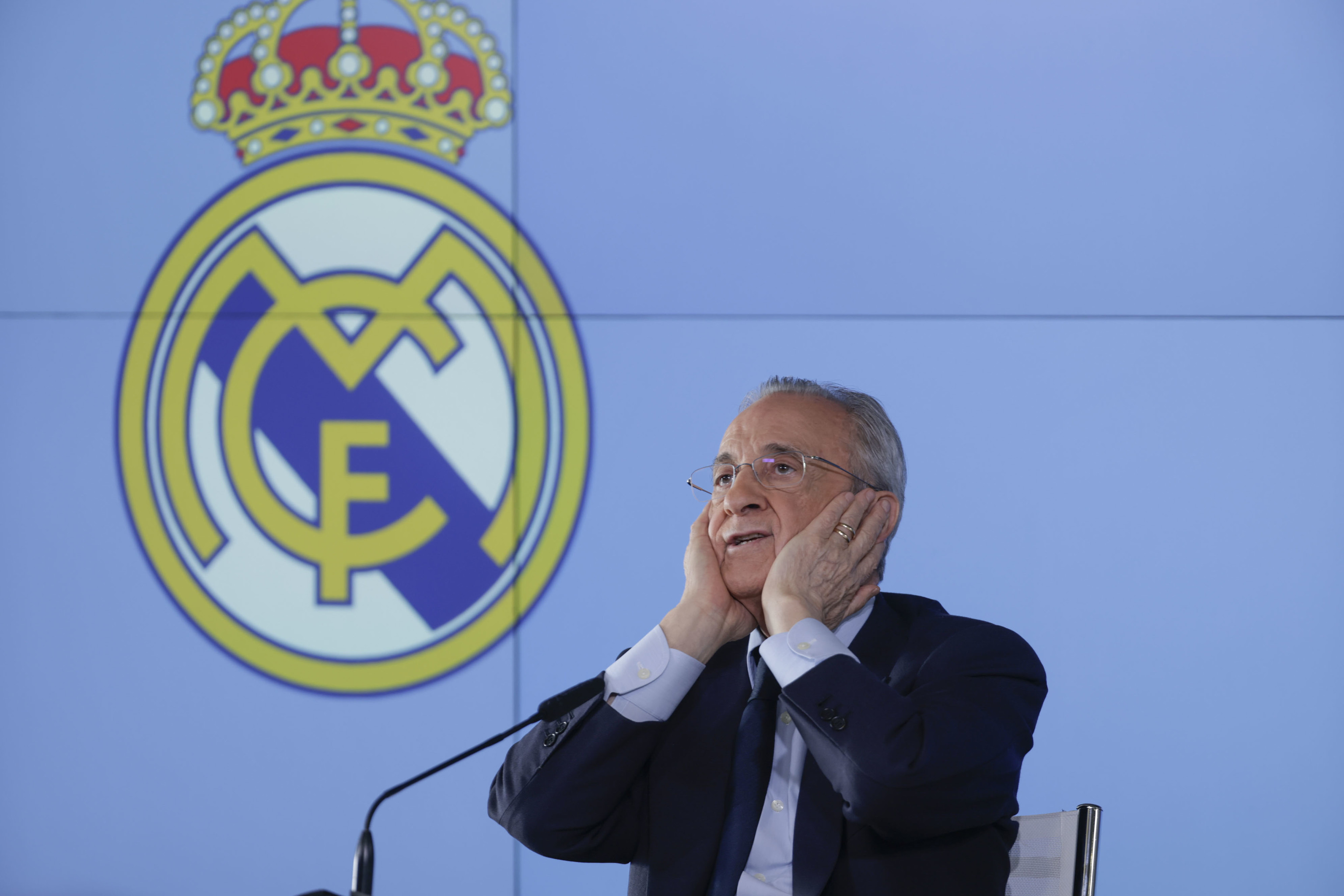
El voto por correo: un factor más importante que Haaland o que Mourinho para ser presidente del Real Madrid Estas papeletas han decidido las últimas tres elecciones al club blanco, las últimas tras un presunto fraude Leer
elmundo · 4 months ago
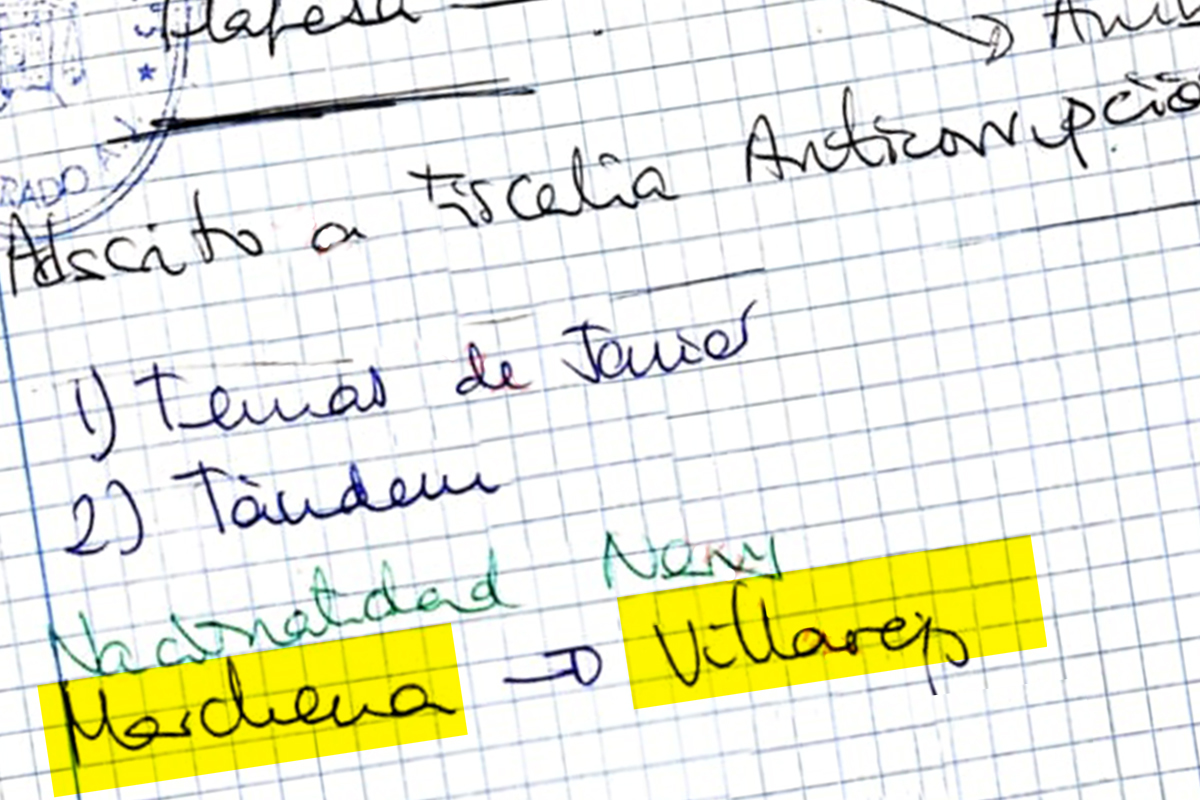
El listado de la cloaca contra los jueces: Lesmes, Marchena o la mujer de Llarena La UCO intervino a la fontanera del PSOE anotaciones con el "estado de situación" de sus maniobras Leer
elmundo · 4 months ago
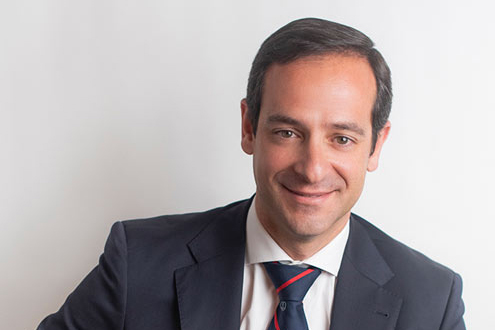
El auditor privado del PSOE comunica a la UCO que rompe con Ferraz y deja de fiscalizar sus cuentas tras entregar documentación Grosclaude ya no audita las cuentas del partido por primera vez en cinco años y facilita a los agentes documentos que pidió al abogado Jacobo Teijelo, sospechoso de facturas falsas del PSOE Leer
elmundo · 4 months ago
Berlusconi, Tescaroli: Doveroso fare quellinchiesta, lintolleranza punta alla delegittimazione Il magistrato dopo larchiviazione per lex premier e DellUtri sulle stragi mafiosi del 93: È come se il responso dei cittadini con la vittoria del no al referendum non fosse stato accettato
corriere · 4 months ago
Ilie Bolojan, despre scenariul alegerilor anticipate: PNL nu va bloca o astfel de ipoteză Ilie Bolojan a declarat că liberalii nu vor bloca alegerile anticipate, fiind o ipoteză constituțională, în cazul în care două Guverne pică la vot în Parlament. Totuși, președintele PNL a adăugat că astfel de alegeri sunt o variantă puțin probabilă.
digi24 · 4 months ago
Ilie Bolojan: „Vom avea o atitudine responsabilă, că vom fi într-o formă de guvernare sau în opoziţie Preşedintele PNL, Ilie Bolojan, anunţă că partidul pe care îl conduce va susţine, indiferent dacă va fi la putere sau în opoziţie, acele proiecte necesare accesării granturilor din fondurile europene, dar şi proiectele care ţin de buna guvernare a ţării.
adevarul · 4 months ago
Roumanie: le pro-européen Eugen Tomac désigné Premier ministre En Roumanie, le président roumain, Nicusor Dan, propose un candidat au poste de nouveau Premier ministre. Le chef de lÉtat espère ainsi mettre fin à la crise politique qui frappe le pays, depuis léclatement de la coalition et la motion de censure du gouvernement libéral dIlie Bolojan. Le nouveau candidat désigné, jeudi 4 juin, se nomme Eugen Tomac, député européen de centre droit. Cette nomination promet une certaine continuité avec lactuel Premier ministre. Le président espère que le choix dun Premier ministre « indépendant » facilitera les négociations avec les parlementaires. Mais sa prise de fonction est loin dêtre garantie.
rfi.fr · 4 months ago
Peiu (AUR): Tomac e un „activist de partid. Alternativa este organizarea de alegeri anticipate Liderul senatorilor AUR, Petrişor Peiu, a criticat joi desemnarea ca premier a lui Eugen Tomac, pentru că acesta nu ar fi un tehnocrat, ci „un activist de partid şi a susţinut că soluţia ar fi alegerile anticipate.
digi24 · 4 months ago
Bolojan, despre legea salarizării: Este o gravă eroare să creezi așteptări care nu pot fi onorate Ilie Bolojan a declarat că dezbaterile privind noua lege a salarizării au generat așteptări pe care bugetul actual nu le poate susține. Premierul interimar a arătat că promisiunile referitoare la majorări semnificative ale salariilor din sectorul public nu au fost corelate cu constrângerile financiare ale statului și cu angajamentele asumate de România prin Planul Național de Redresare și Reziliență (PNRR).
digi24 · 4 months ago
Bolojan: Vom lucra în perioada următoare la reconstruirea PNL. Trebuie gândit un proiect pentru 2028 Ilie Bolojan, liderul liberalilor și premier interimar, a declarat că PNL va adopta o atitudine responsabilă atât la guvernare, cât și în opoziție, și a subliniat necesitatea reconstruirii formațiunii și a unui proiect politic solid pentru alegerile din 2028.
digi24 · 4 months ago
Reform der Pflegeversicherung: Nina Warken verteidigt Sparpaket in der Pflege gegen breite Kritik Wo viel verändert wird, gibt es viel zu kritisieren, sagt die Bundesgesundheitsministerin zum Widerstand gegen ihre Reformpläne. Jens Spahn verteidigt ihr Vorhaben.
die zeit · 4 months ago

Pacto para el relevo en las Nuevas Generaciones del PP: Ignacio Dancausa, afín a Ayuso, será el presidente Quien iba a ser su rival en la carrera por la dirección, el murciano Landáburu, será el vicepresidente de las juventudes populares Leer
elmundo · 4 months ago