 Monday, May 18Monday, May 18
The U.S. Senate confirmed Kevin Warsh as the new chair of the Federal Reserve on Wednesday, May 13, 2026, in a highly partisan 54-45 vote. Warsh, a former Federal Reserve governor (2006–2011) and close ally of President Donald Trump, received unanimous Republican support but only one Democratic vote—from Senator John Fetterman of Pennsylvania—marking the most politically divided confirmation in the Fed’s history. His appointment follows the end of Jerome Powell’s term and comes amid intense scrutiny over the central bank’s independence, particularly given Trump’s repeated demands for lower interest rates to stimulate economic growth .
Warsh assumes leadership at a critical juncture, with inflation resurging due to geopolitical tensions, including the Iran war, and consumer sentiment reaching recessionary levels despite low unemployment and solid GDP growth. Trump has publicly pressured the Fed to cut rates, and Warsh has previously argued for rate reductions based on a 1990s-style supply-side economic boom. However, recent inflation data and a resilient labor market complicate the case for immediate cuts, setting up potential conflicts with the Fed’s rate-setting committee, which makes decisions collectively. Warsh has also signaled skepticism toward the Fed’s current communications strategy, including forward guidance and frequent press conferences, suggesting broader institutional reforms may follow .
Critics, including Senator Elizabeth Warren, have accused Warsh of being a "sock puppet" for Trump, raising concerns about the Fed’s independence under his leadership. These fears are amplified by ongoing legal and political challenges, such as a pending Supreme Court case over whether Trump can fire Fed Governor Lisa Cook and Powell’s decision to remain on the Board of Governors—contrary to precedent—to counter perceived threats from the administration. Warsh’s confirmation also breaks with tradition, as he secured the role with the least bipartisan support of any Fed chair in history. His tenure will test whether he can deliver on promises to reduce inflation and reshape the Fed’s role in the economy while navigating Trump’s demands and internal Fed resistance .
Warsh’s prior tenure at the Fed, where he worked closely with then-Chair Ben Bernanke during the 2008 financial crisis, ended in 2011 amid disagreements over quantitative easing. Since then, he has become a vocal critic of the Fed’s post-crisis policies, blaming the institution for allowing inflation to surge in 2021–2022. His confirmation underscores a shift toward a more politically aligned Fed, with Warsh inheriting an economy marked by high inflation, affordability crises, and a president who has openly criticized the central bank’s policies. While Warsh has broad authority to reshape the Fed’s staff and communications, his ability to enact sweeping changes may be limited by the staggered terms of other governors and reserve bank presidents .

Senate confirms Trump pick Kevin Warsh as Federal Reserve chair The US Senate on Wednesday confirmed Kevin Warsh – Trumps top pick – as the new Federal Reserve chair in the most partisan vote ever for the role. Warsh takes over as policymakers warn persistent price pressures could complicate President Donald Trumps push for lower borrowing costs.
france24 · 4 days ago
Senate confirms Warsh to succeed Powell as Fed chair Vote brings to an end one of the most fraught processes of selecting a central bank chief in decades
financial times · 4 days ago
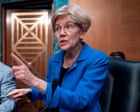
Top Democrat calls newly confirmed Fed chair Kevin Warsh a sock puppet for Trump – live Elizabeth Warren condemns confirmation of Trumps pick to lead the Federal Reserve; John Fetterman was lone Democrat to support the nomination Sign up for the Breaking News US emailDonald Trump touched down in Beijing at around 7:50pm local time/7:50am ET.The president will be greeted by Chinas vice-president, Han Zheng, along with David Perdue, US ambassador to a China. Continue reading...
theguardian · 4 days ago
Kevin Warsh confirmed as Fed chair, ushering in new era for central bank He enters the job at a fraught moment, with President Donald Trump aggressively pushing for the Fed to sharply lower interest rates.
politico.eu · 4 days ago

Warsh wins confirmation as Fed chair, with inflation on the march
news.yahoo.com · 4 days ago
JUST IN - U.S. Senate confirms Ronald Lauders son-in-law, Kevin Warsh, as Federal Reserve chair for a 4-year term. Read here: @disclosetv
telegram bot · 4 days ago
Kevin Warsh confirmed as new US Federal Reserve chair amid controversy Senate confirms Trump pick Kevin Warsh as Federal Reserve chair amid growing concerns over independence.
aljazeera · 4 days ago
US Senate confirms Kevin Warsh as Federal Reserve chair, replacing Jerome Powell Warsh will serve four-year term as chair, taking over amid rising inflation and pressure from Trump to lower ratesThe US Senate confirmed Kevin Warsh as chair of the Federal Reserve, one of the most powerful roles in the federal government that holds enormous sway over the economy.The 54-45 Senate vote on Wednesday was split along party lines, with the exception of Democratic senator John Fetterman from Pennsylvania, who joined the Republican majority. Warsh was confirmed for a four-year term as chair and a 14-year appointment on the Feds rate-setting board. Continue reading...
theguardian · 4 days ago
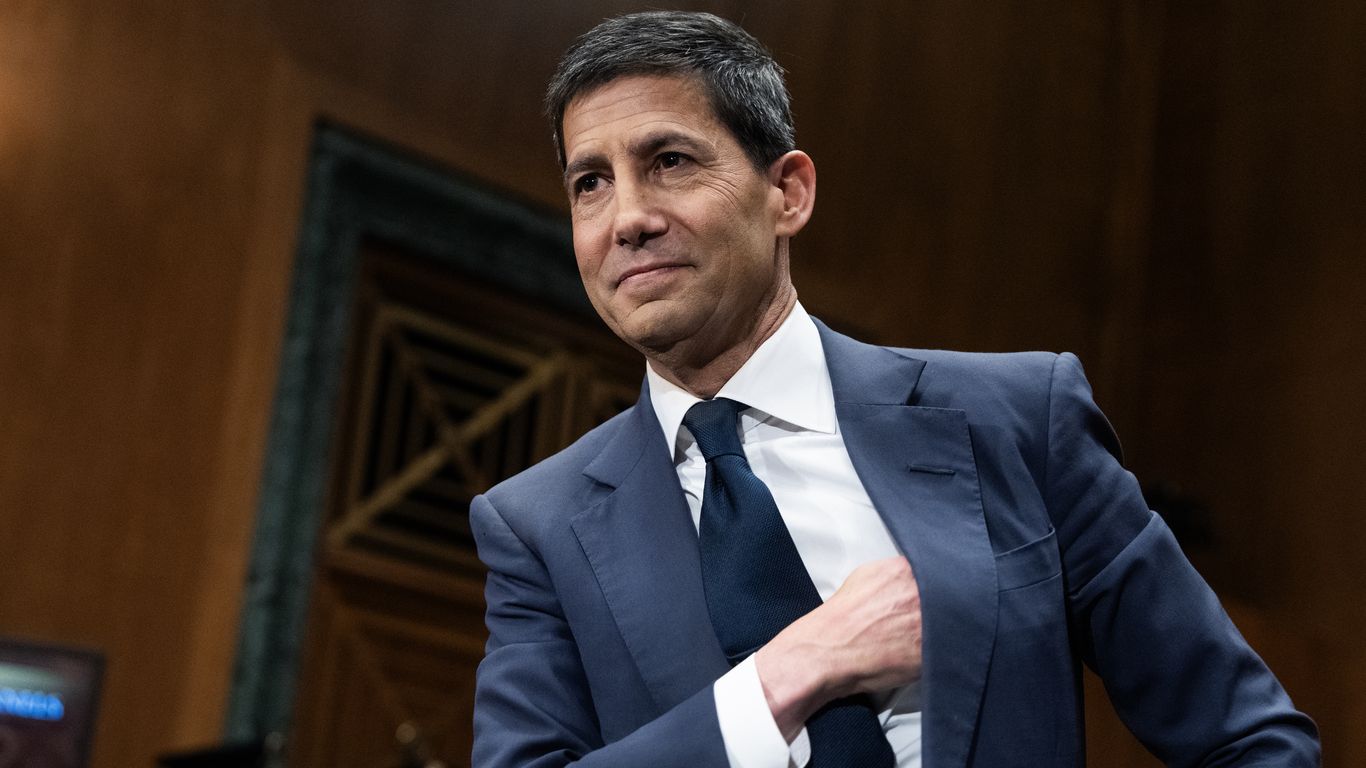
Kevin Warsh confirmed to lead Federal Reserve Kevin Warsh has been confirmed as the 17th leader of the Federal Reserve, becoming Americas economist-in-chief at a moment of resurgent inflation, public discontent with the economy and unprecedented attacks on the Feds independence.Driving the news: Warsh was confirmed to a four-year term as Fed chair Wednesday by a 54-to-45 Senate vote. He received unanimous support from Republicans but only one aye vote from a Democrat, John Fetterman of Pennsylvania.Warsh takes the helm of the central bank after Jerome Powells term ends Friday. The big picture: Warsh has promised sweeping change at an institution that he argues has grown too unwieldy and inclined to intervene in the economy.He inherits buoyant financial markets and an AI-driven growth surge — as well as the legacy of five straight years of elevated inflation that has spiked again due to the Iran war.High prices and affordability concerns have driven consumer sentiment indicators to recessionary levels, despite a low unemployment rate and solid GDP growth.Friction point: President Trump has demanded that the Fed cut interest rates, and Warsh has previously laid out an intellectual case for doing so premised on a 1990s-style boom in Americas supply potential.But in recent weeks — including April inflation data the last two days — evidence has pointed toward price pressures being resurgent and the labor market holding up, which undermines the case for rate cuts.Indeed, if he seeks rate cuts anytime soon, Warsh will face an uphill battle with his fellow members of the Fed policy committee, who jointly make those decisions.Zoom out: The debate over interest rates will occur against a backdrop of historically unique threats to the Feds ability to act without regard to political influence.A Supreme Court case over whether Trump can fire Biden-appointed governor Lisa Cook is pending.Powell is remaining on the Fed Board of Governors, contrary to modern precedent, due to what he sees as an ongoing threat by the Trump administration to re-open a criminal investigation over the Feds building renovations.Warsh also takes the helm with less bipartisan support than any previous leader of the central bank, as Democrats expressed doubt he will be sufficiently independent from the White House.Catch up quick: Warsh was a Fed governor from 2006 to 2011 — then the youngest on record — and was a close ally of chair Ben Bernanke in fighting the financial crisis.Warsh stepped down in 2011 amid misgivings about the Feds post-crisis efforts to stimulate the economy through quantitative easing.In the years since, he has become an increasingly sharp critic of the institution he once helped lead, accusing it of mission creep and of massive policy failure in allowing inflation to surge in 2021-2022.The intrigue: An open question is how quickly he will seek to act in remaking the institution.He is largely stuck with the top leadership — the other governors, who serve staggered terms, and the 12 reserve bank presidents around the country. But he has broad authority to make changes to the staff at the Board of Governors.He has also flagged possible changes to the Feds communications approach, including skepticism of its forward guidance for signaling future actions, and frequent press conferences.Between the lines: Warsh got the job in part by attacking the way the Fed has operated over the last dozen years.Now the question is whether he can deliver economic outcomes — particularly a return to price stability — that prove more satisfying to the American people than the status quo.And as Powell learned the hard way, he may have to do it with an impatient president second-guessing him along the way.The bottom line: Its Warshs economy now.
axios · 4 days ago
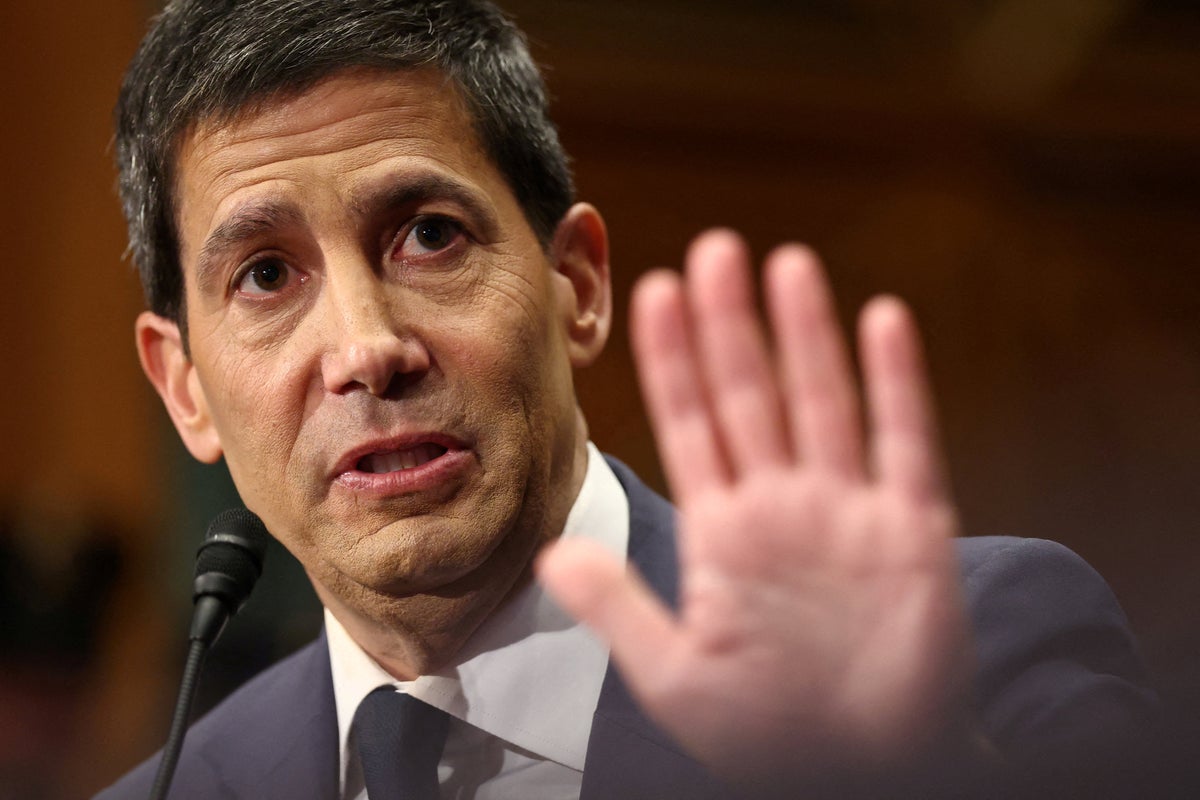
Trump Fed chair nominee Kevin Warsh is confirmed by Senate as Jerome Powell vows to stay on board Kevin Warsh stressed that the president did not make him pledge to cut interest rates to secure his nomination to head the Federal Reserve
independent · 4 days ago
What can we expect from the Fed under Kevin Warsh? Take part in a live Ask an Expert Q&A with the FTs US economics editor, US economics correspondent and US markets editor on Monday May 18 at 4pm BST
financial times · 4 days ago