
Russia kills 30 in Kyivs deadliest strike of 2026 as air pollution spikes

Story Timeline
4 months · 14 summary articles
Russia’s deadliest strike on Kyiv in 2026 killed 30 people and injured 91 overnight on Thursday, as Ukrainian rescuers pulled survivors from the rubble of 130 flattened buildings and officials warned of a hazardous air pollution spike. The attack, which began late on 2 July and continued into the early hours of 3 July, struck residential districts, a hotel on Shevchenko Boulevard and at least 20 educational institutions, according to Kyiv mayor Vitali Klitschko .
Ukrainian President Volodymyr Zelensky said ten people remain missing and search operations are ongoing . The Ukrainian branch of the Red Cross reported its humanitarian warehouse in Kyiv was destroyed, with €1.5 million of aid and equipment lost .
The strikes came as Ukraine’s Unmanned Systems Forces (USF) claimed a 1,150 per cent increase in deep strikes inside Russia since January, hitting logistics, airfields and energy infrastructure . On Wednesday night alone, the USF struck 48 targets in occupied Crimea, including ten energy sites and an anti-aircraft missile system . Ukrainian drones also hit Russian military airfields at Saky and Hvardiiske, destroying or damaging at least seven aircraft, the Security Service of Ukraine said .
Moscow’s air defences intercepted dozens of incoming drones and missiles across multiple regions, but Russian authorities reported civilian casualties in Belgorod and Bryansk from Ukrainian counter-strikes . Analysts at the Center for Strategic and International Studies said Kyiv has “dramatically taken the war to Russian territory in 2026” by orchestrating short-, medium- and long-range strikes to disrupt logistics and supplies .
Kyiv’s authorities urged residents to stay indoors after a sharp rise in air pollution from fires ignited by the strikes . Meanwhile, Ukrainian forces destroyed a Russian electronic warfare system designed to jam Starlink, underscoring the resilience of satellite communications critical to both military operations and civilian internet access .
Western intelligence sources warned Russia may stage a provocative incursion into Poland to test NATO’s response, as Moscow faces mounting pressure from Ukrainian long-range strikes and fuel shortages exacerbated by refinery attacks .
Follow us for live European news
- 2
- 1
- 1
- 1
- 1
- 1
- 1
3 further sources not geolocated
Articles

Five killed in Ukraine a day after deadliest Russian attacks this year Separately, at least 10 people killed in Ukrainian attacks on Russia and Russian-controlled areas.
aljazeera · 3 months ago

#Ukraine pushes Russia to peace.Update from Ukraine | Putin Ha...
mastodon bot · 3 months ago
THERE ARE NO WORDS... The death toll from Russias strike on Kyiv has risen to 25.More than 100 people injured. There may still be people under the debris.These are not just numbers, statistics that international organizations will later put into reports to state that Russian attacks killed more civilians in Ukraine this year than ever before.Behind each number is a person, someones world. An irreplaceable loss, a scar on all of us.#AureFreePress #Ukraine #breakingnews #Kyiv
mastodon bot · 3 months ago
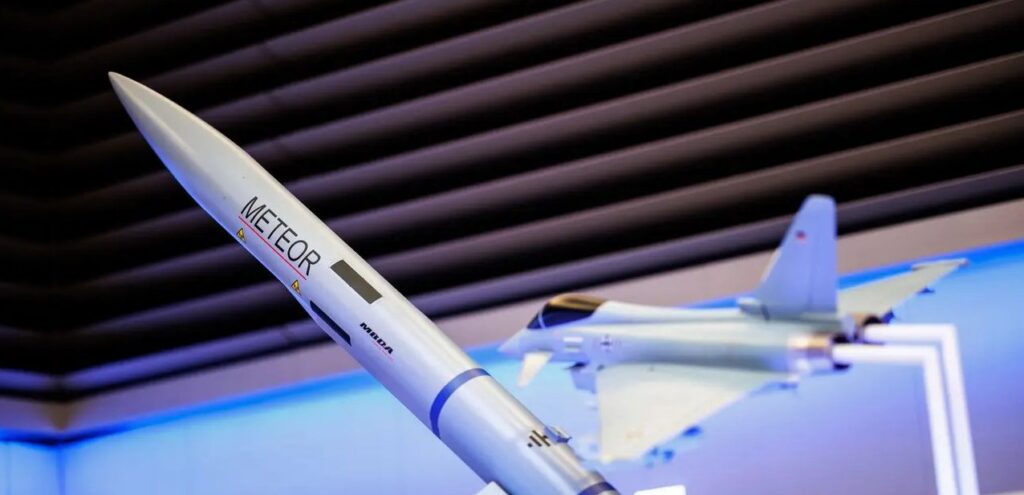
Friday, July 3, 2026 Swedens Meteor missile: The long arm Ukraines air force has lacked . . . . . Moscow will fall; 13 Russian power stations shut down across occupied Ukraine . . . . . Russia allows lower-grade gasoline production as Ukrainian attacks choke fuel supply . . . . . Why this prominent Ukrainian female writer voluntarily joined the army . . . and more
mastodon bot · 3 months ago
Russians attacked 10+ Ukrainian gas stations in frontline regions since early this month using Shaheds, Oko Gora says. Earlier, analysts wrote that Russians hit over 70 gas stations in June in response to Ukrainian strikes on Russian logistics.
telegram_WarTranslated · 3 months ago
Positive progress: What we know about the children injured in Russias latest attack on Kyiv Four children remain in hospital after Russias attack on Kyiv on the night of 1-2 July. A total of 56 people are receiving treatment, while the parents of one injured boy are still missing.
ukrpravda · 3 months ago
Ukraines drone forces have ramped up attacks deep inside Russia 12.5-fold since start of 2026 Robert "Magyar" Brovdi, Commander of the Unmanned Systems Forces (USF) of Ukraine, has said USF has increased strikes deep inside Russia by 1,150 since the beginning of the year.
ukrpravda · 3 months ago
Ukrainian drones hit Russian military airfields Saky and Hvardiiske in occupied Crimea The Security Service of Ukraine (SSU) has said it has carried out a successful drone strike on the Saky and Hvardiiske military airbases in Russian-occupied Crimea. The SSU has not yet released any official photos or videos of the attack.
ukrpravda · 3 months ago
"Crimean switch": Ukraine hits 10 energy sites overnight Ukraines Unmanned Systems Forces (USF) struck 48 targets in the rear of Russian forces on the night of 2-3 July, including 10 energy facilities in temporarily occupied Crimea and an anti-aircraft missile system.
ukrpravda · 3 months ago
Russian attack damages Kyiv Zoo: glass shards fall on turtles and crocodiles – photos Kyiv Zoo was damaged during the Russian large-scale attack on the Ukrainian capital on the night of 1-2 July, with the entrance area, aquaterrarium and aviary among the facilities affected.
ukrpravda · 3 months ago
Three people injured in Russian drone strike on Kharkiv Three people have been injured in the Kyivskyi district in the city of Kharkiv as a result of a Russian drone strike on 3 July.
ukrpravda · 3 months ago
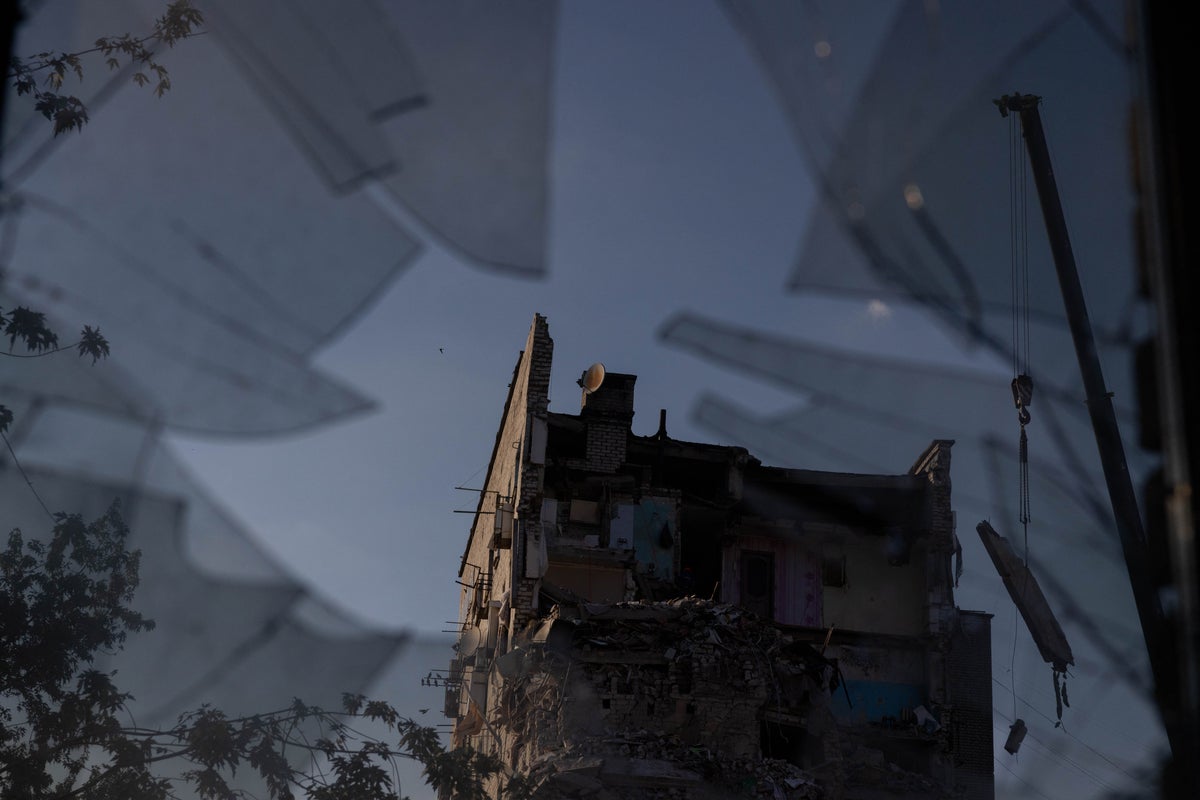
Ukraine-Russia war latest: Moscow launches wave of attacks after deadliest strike on Kyiv this year It came as Kyiv observes a day of mourning after 30 killed, 91 wounded and more than 130 buildings destroyed in deadliest strike
independent · 3 months ago
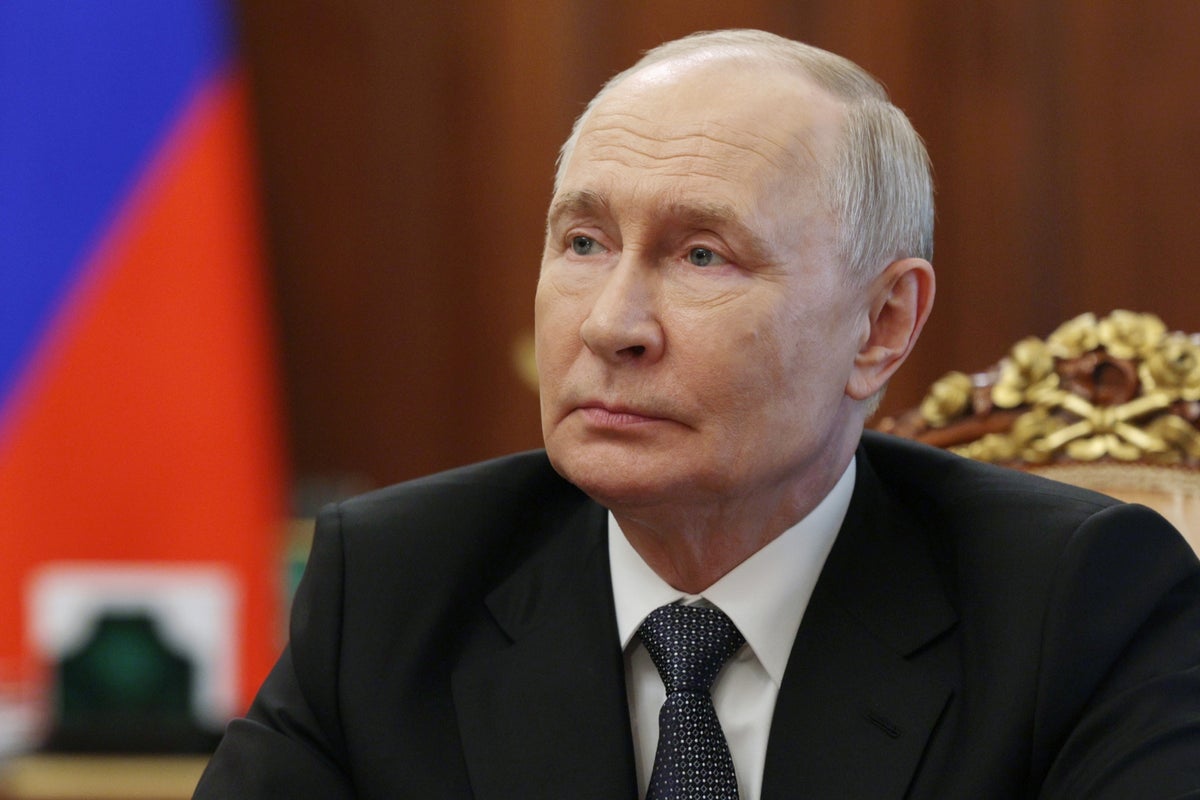
Russia plotting attack on Poland to test Natos resolve, US claims Vladimir Putin could use an attack on Nato as a bargaining chip for the war in Ukraine, sources told Polish media
independent · 3 months ago
Estonian diplomat: Life in Kyiv goes on despite major Russian strikes Life in Kyiv continued Thursday as close to normal as possible despite a major missile and drone strike by Russia, an Estonian diplomat based in the Ukrainian capital said.
news.err · 3 months ago
Kyiv urges residents to stay inside as massive Russian attack causes air pollution spike Authorities in Kyiv asked residents to stay indoors as much as possible on Friday due to a spike in air pollution caused by massive Russian strikes the day before which started fires across the city.
france24 · 3 months ago

Four Reasons Crimea Has Become Crucial in the Ukraine War Escalating drone strikes, fuel shortages and power cuts in the region Russia annexed are among the factors turning up the heat on President Vladimir V. Putin.
new york times · 3 months ago
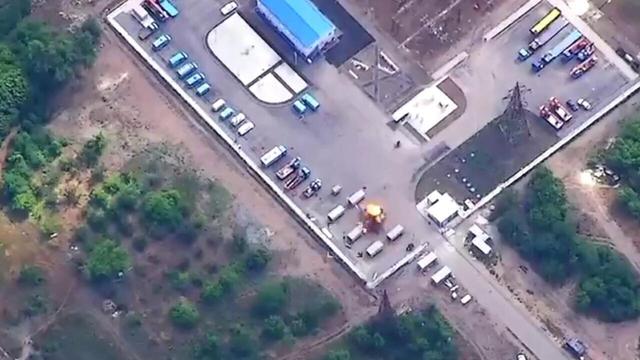
⚡ NEWSUkraine destroys Russian Starlink jamming systemFootage shows Ukrainian forces destroying a Russian electronic warfare system designed to jam Starlink. The satellite network remains crucial for Ukraines high-speed internet access and military communications, proving difficult to disrupt.📰 #Military #Geopolitics #GeoWire
mastodon bot · 3 months ago

Putin seeks revenge! Russia tries to wipe out Ukrainian cities with missiles & drones #Ukraine - YouTube
mastodon bot · 3 months ago

⚡️Terror is their only argument: Russias attacks on Ukraine continue, 2 children killed, 10 others injured. The attacks killed at least 17 people and injured 125 others over the past day, local authorities reported. A 2-year-old girl and a 7-year-old girl were among those killed.
bluesky_Kyiv Independent · 3 months ago
Ten people still missing after Russian strike on Kyiv, search continues Ten people are still missing following Russias latest attack on Kyiv, with search and rescue operations continuing at the site of the destroyed high-rise residential building.
ukrpravda · 3 months ago
Russian jet-powered drone destroys petrol station in Sumy: seven injured – photos Russian forces have attacked a petrol station in Sumy with a jet-powered drone, injuring seven people. The oblast authorities are developing a protocol for petrol station operations under conditions of constant Russian threat.
ukrpravda · 3 months ago
Russian attacks cause power outages in six regions, worst disruption in Donetsk Oblast Russias latest massive attack caused new power outages in five Ukrainian regions as of the morning of 3 July.
ukrpravda · 3 months ago
Russia Ukraine missile strikes kill civilians as war escalates Russia and Ukraine exchanged long-range missile and drone strikes across multiple regions, leaving civilians dead and injured on both sides. Officials in Kyiv and Moscow reported rising casualties as air defence systems intercepted dozens of incoming drones, while infrastructure and residential areas were hit in renewed overnight attacks.
yenisafak · 3 months ago
Russian drone strike on private home in Sumy region kills two women In the Romny community of Sumy region, two people were killed and one was injured when a Russian drone struck a private home.
ukrinform · 3 months ago
Drone attack in Sumy region: Death toll rises to four, including child The death toll from the Russian armys nighttime strike on the Romny community in Sumy region has risen to four, including a child under the age of two.
ukrinform · 3 months ago
Ten people wounded in Dnipropetrovsk region due to Russian attacks Russian invaders have attacked the Dnipropetrovsk region more than ten times using drones, missiles, and artillery. Ten people were wounded as a result of the enemy strikes.
ukrinform · 3 months ago
ADF neutralizes missile and 82 Russian drones launched in overnight attack on Ukraine Ukraines air defense forces neutralized one Kh-59/69 guided air-launched missile and 82 drones used by Russian forces in an overnight attack that began on the evening of July 2.
ukrinform · 3 months ago
Russian attacks on Sumy region leaves five killed, 34 injured over past day Russian forces carried out nearly 110 attacks on populated areas across Ukraines Sumy region between the morning of July 2 and the morning of July 3, killing five people and injuring 34 others.
ukrinform · 3 months ago
Russian drone strikes gas station in Sumy, leaving four injured Russian forces struck a gas station in Sumys Zarichnyi district with a jet-powered drone early on July 3, leaving four people injured.
ukrinform · 3 months ago
Zelensky: Ten people remain missing for after massive attack on Kyiv, search operation continues President Volodymyr Zelensky said that Russian forces have struck Kryvyi Rih, Kharkiv region, Kherson, and Sumy region in recent days, while search and rescue operations continue in Kyiv following the massive attack. Ten people remain unaccounted for, and 30 deaths have been confirmed.
ukrinform · 3 months ago