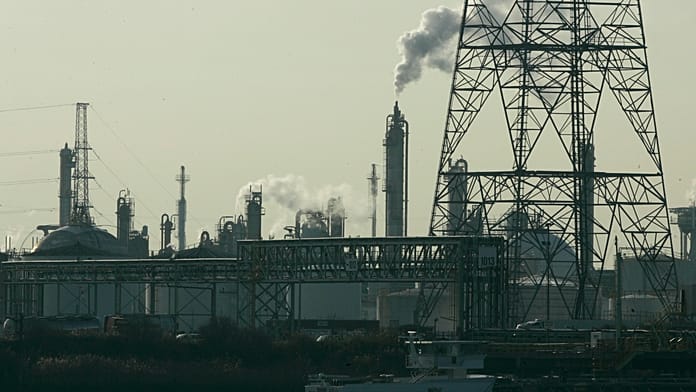

Norway's Supreme Court ruled on Friday that three North Sea oil licences are invalid because the government failed to adequately assess their climate impact.
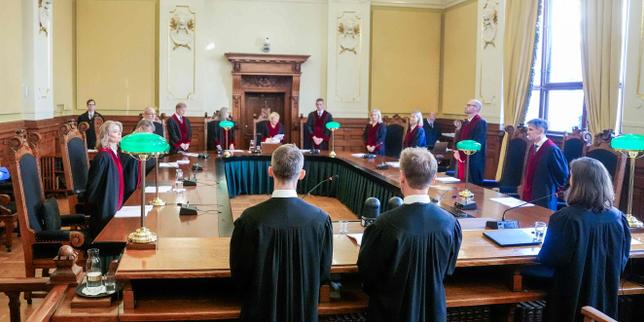
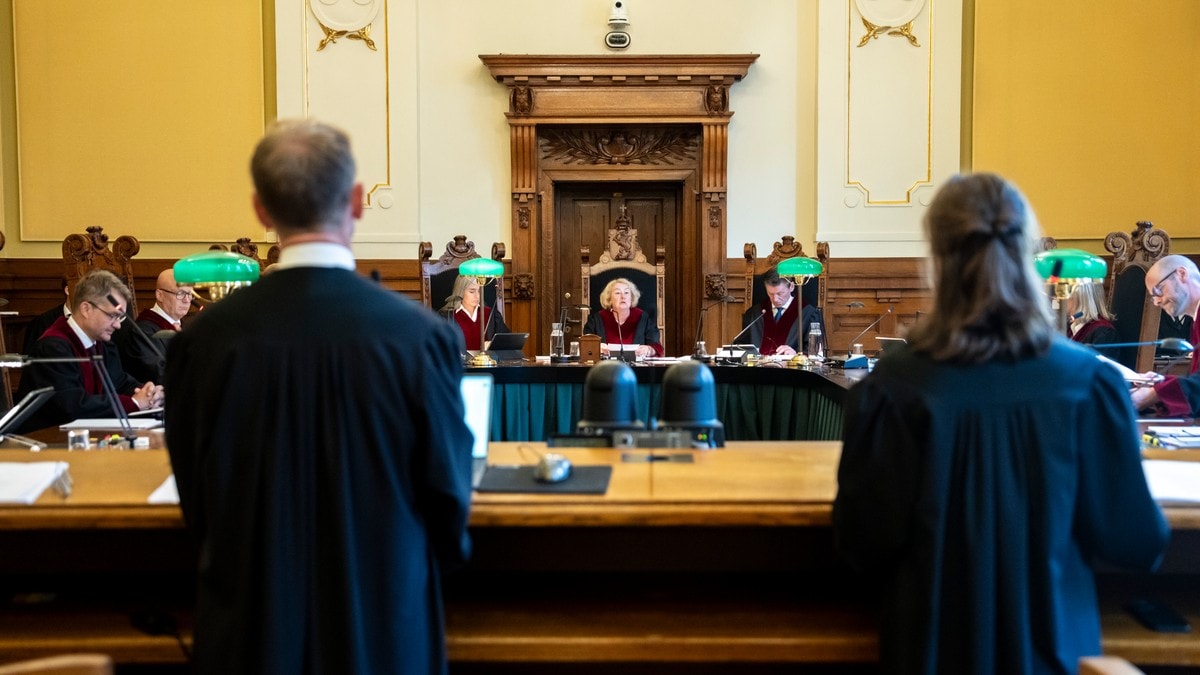
The court found permits for the Tyrving, Breidablikk and Yggdrasil fields must be reassessed. Six of eleven judges supported the ruling. Five judges dissented. The state must pay just over five million kroner in legal costs. The case was brought by Greenpeace and Natur og Ungdom. It had been in Norwegian courts for three years.
The majority held that the state must consider emissions from the three fields together with emissions from the rest of the Norwegian continental shelf. The government had conducted assessments after approving the fields. The court said these only partially repaired earlier decisions. Government lawyer Fredrik Sejersted said the new requirement is to assess emissions in context with all other existing activity on the shelf.
Greenpeace leader Haldis Tjeldflaat Helle said: "We have changed Norwegian oil policy forever." Natur og Ungdom leader Sigrid Hoddevik Losnegård said: "All the permits are invalid, and the state has made mistakes." Environmental lawyer Jenny Sandvig called it "a colossal victory" that "creates legal history."
Energy Minister Terje Aasland said Norwegian oil policy remains fixed as decided by the Storting. He said the ruling clarifies stricter assessment requirements for future permits. "We have received stricter procedural requirements, clarified through the Supreme Court," he said.
The ruling does not bind oil companies directly. Supreme Court judge Thomas Chr. Poulsen said it imposes a duty on the state to reassess. He said operations can continue. Aker BP said production from Tyrving continues. Work on Yggdrasil continues. The company plans to start Yggdrasil production in summer 2027. Aker BP expects to spend 195 billion kroner on the Yggdrasil development.
The case was heard in the Grand Chamber with eleven judges because of its special importance. Before approving new fields, the state must assess combustion emissions abroad. It must assess their impact on global temperature. It must assess whether they breach national and international obligations. The ruling does not require emissions to align with the 1.5-degree target.