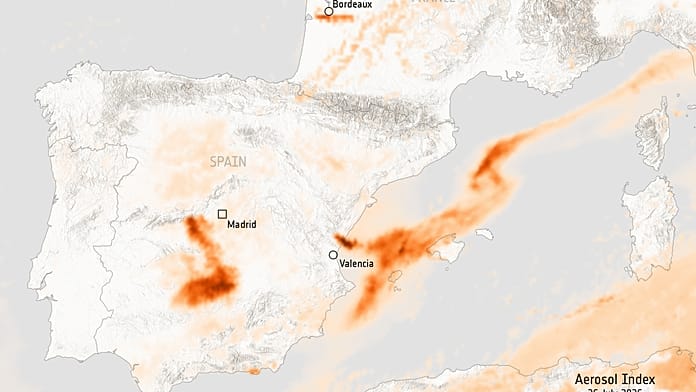

Nearly 40% of the global population was exposed to extreme ozone pollution in 2026, driven by heatwaves and wildfires, according to a report published Wednesday by the European Union’s Copernicus Atmosphere Monitoring Service.
The analysis, covering the first eight months of the year, found that 34% of people worldwide breathed air with “extremely poor” ozone levels, well above World Health Organization guidelines. Asia was the hardest hit, with 53% of its population exposed to extreme ozone, while in Europe, 45% faced poor to extremely poor air quality .
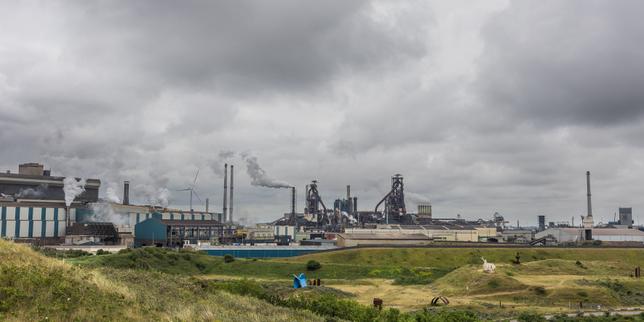
Ground-level ozone forms when emissions from vehicles, industry, and wildfires react with sunlight and heat. Record-breaking heatwaves and fires in Europe, North America, and Southeast Asia amplified its spread, with smoke and dust storms worsening air quality across continents, Copernicus said .
CAMS director Laurence Rouil noted that “air pollution does not stop at borders,” traveling thousands of kilometers to affect regions far from its source . In Europe, stricter regulations reduced other pollutants, but ozone levels remained stubbornly high, with southern regions exceeding EU limits for over 30 days this summer .