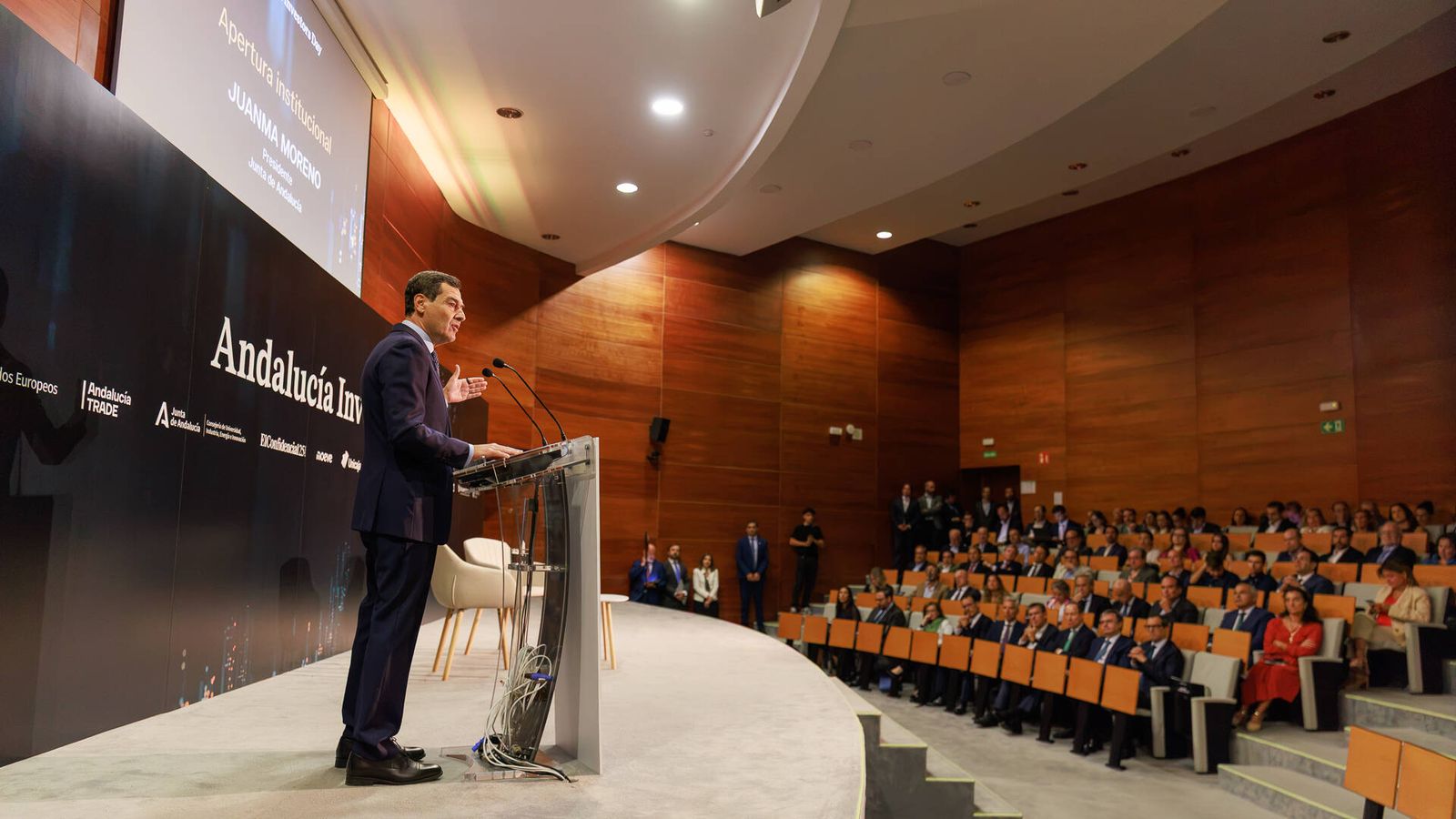
Poland’s Energy Days conference in Katowice concluded Friday with debates centered on the costs, security and industrial competitiveness of the country’s energy transition, as officials and industry leaders warned of the risks of mismanaging the shift away from coal.
Energy Minister Miłosz Motyka opened the event by framing the gathering as a moment of decision, stating that his ministry is now finalizing initiatives launched over the past year, including atomic energy and future capacity plans. He emphasized that Europe is revisiting its approach to the Emissions Trading System and energy policy, with a renewed focus on nuclear power, electrification and competitiveness, adding that Poland would support energy-intensive industries and boost energy sovereignty through renewables, storage and nuclear .
Borys Budka, chair of the European Parliament’s Industry, Research and Energy Committee, argued that Europe’s electrification must be driven by its own industry, not external economies, and warned against repeating past mistakes, such as Germany’s hasty nuclear phase-out or solar investments without domestic panel production. “Europe is starting to speak with our voice,” he said, stressing that the transition must not come at the expense of industrial competitiveness .
The conference agenda reflected these concerns, with sessions on infrastructure, grid flexibility and the integration of new capacities—including offshore wind, nuclear and storage—to replace retiring coal plants without disrupting supply. Dorota Jezierowska of the Energy Ministry noted that Poland’s grid investment needs could exceed 440 billion złoty by 2040, with over 330 billion złoty earmarked for distribution networks alone .