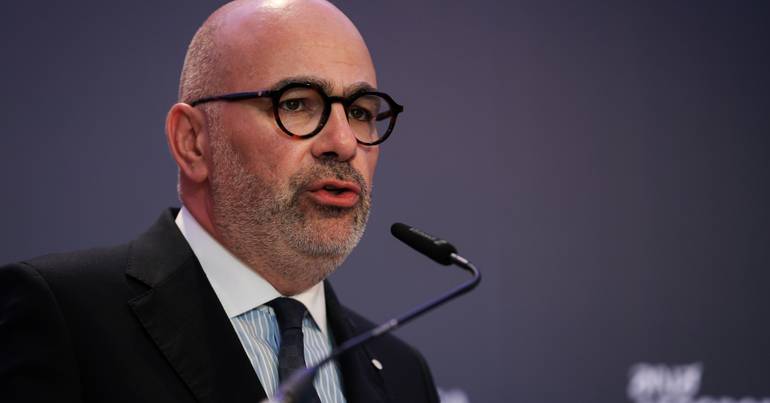

Benjamim Pereira, president of Portugal’s public housing authority IHRU, sparked a political backlash on Thursday by questioning whether today’s youth are willing to make the same “level of sacrifice” as past generations to secure housing.
Speaking to journalists in Vila Nova de Gaia, Pereira cited his own family’s history, noting his grandparents emigrated to Brazil and Argentina and his father worked abroad for 20 years to afford a home. He suggested young people could form housing cooperatives, as previous generations did, but denied advising emigration. “I’m not saying that,” he said, while urging collective effort to address the crisis .
The remarks drew swift condemnation. Infrastructure Minister Miguel Pinto Luz called them “absolutely unhappy” and insisted young Portuguese already make immense sacrifices, adding the government wants them to stay in the country. State Secretary for Housing Patrícia Gonçalves Costa echoed this, stating the government aims to eliminate the need for such sacrifices .
The Socialist Party (PS) criticized Pereira’s comments as “jocose” and intolerable from a public official. Deputy Luís Testa said the party empathized with Pereira’s family history but prioritized the struggles of young Portuguese, who face structural housing challenges .
Left Bloc (BE) deputy Fabian Figueiredo demanded Pereira’s resignation and requested an urgent parliamentary hearing. He argued the IHRU president, tasked with implementing national housing policy, should not shift responsibility onto young people, citing Eurostat data showing Portuguese youth leave home at 28.8 years on average—2.5 years later than the EU mean. Figueiredo also noted Lisbon’s median rent for new contracts reached €17.79 per square meter in Q2 2026, a 10.2% annual rise .
The Federation of Lisbon Academic Associations (FAL) joined the criticism on Friday, calling Pereira’s comments “profoundly unhappy” and rejecting the normalization of youth sacrifice for housing access. FAL president Pedro Neto Monteiro argued the debate should focus on systemic solutions rather than individual hardship .