
US-mediated talks between Ukraine and Russia entered their second day in Abu Dhabi on Wednesday while Ukrainian strikes cut 30 percent of Russia's oil refining capacity and Moscow claimed to intercept 146 drones.
The trilateral negotiations, mediated by US special envoys Steve Witkoff and Jared Kushner, resumed in the United Arab Emirates capital on Wednesday. The two-day talks mark the first serious negotiations since February. Ukrainian Foreign Minister Andrii Sybiha said Kyiv had proposed halting attacks on Black Sea shipping and energy infrastructure, awaiting Moscow's response. The delegations also discussed a prisoner exchange involving more than 1,000 captives, according to President Volodymyr Zelenskyy.
Ukrainian drone attacks since late October disrupted nine of Russia's 35 major refineries, cutting refining capacity by about 30 percent, Reuters reported citing industry sources. The strikes caused fuel shortages across Russia and targeted energy infrastructure including the Kirishi refinery in the Leningrad region.
Russia claimed to have shot down 146 drones over the Leningrad region overnight, Governor Aleksandr Drozdenko said on Telegram. Drone debris killed two people in the Smolensk region, TASS reported, while a separate attack caused a fire at the Ust-Luga port on the Baltic Sea.
The attacks prompted Latvia, Lithuania and Estonia to warn residents to seek shelter, with NATO fighter jets scrambled in response to airspace violations. Zelenskyy's hometown of Kryvyi Rih also suffered power outages from drone strikes, Ukrainian officials said.
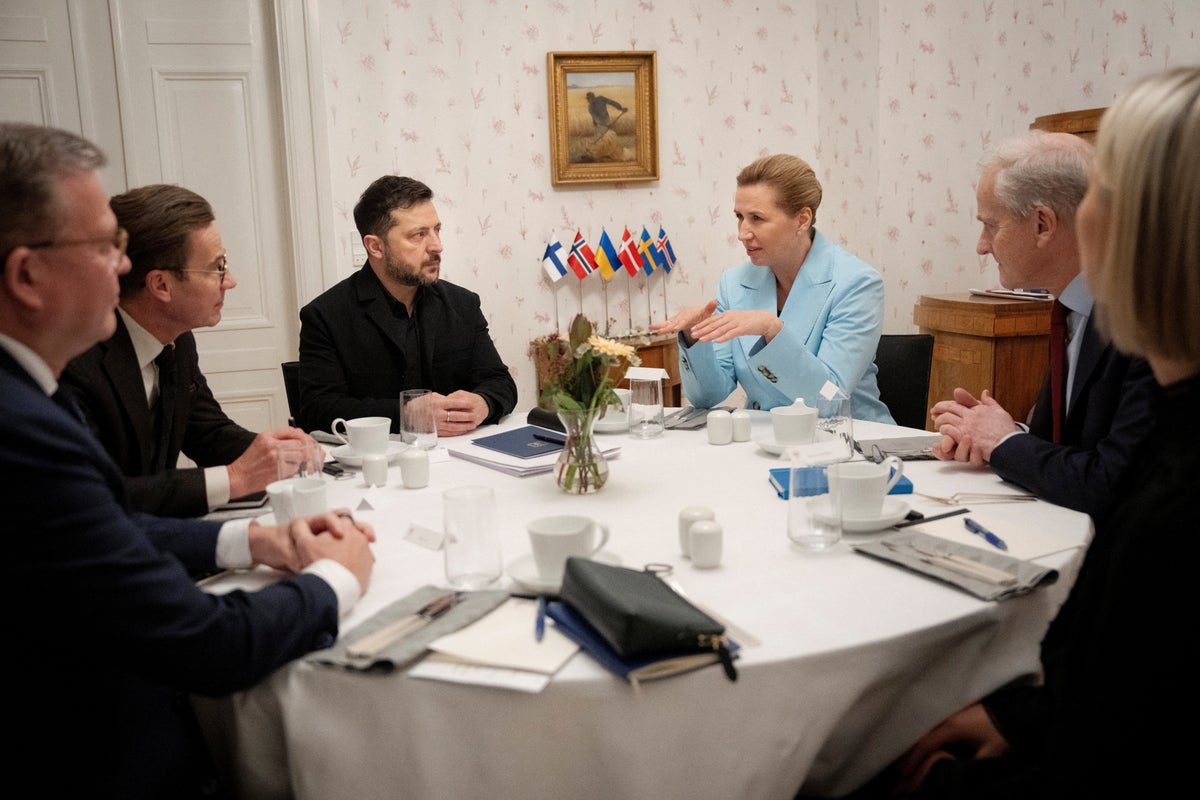
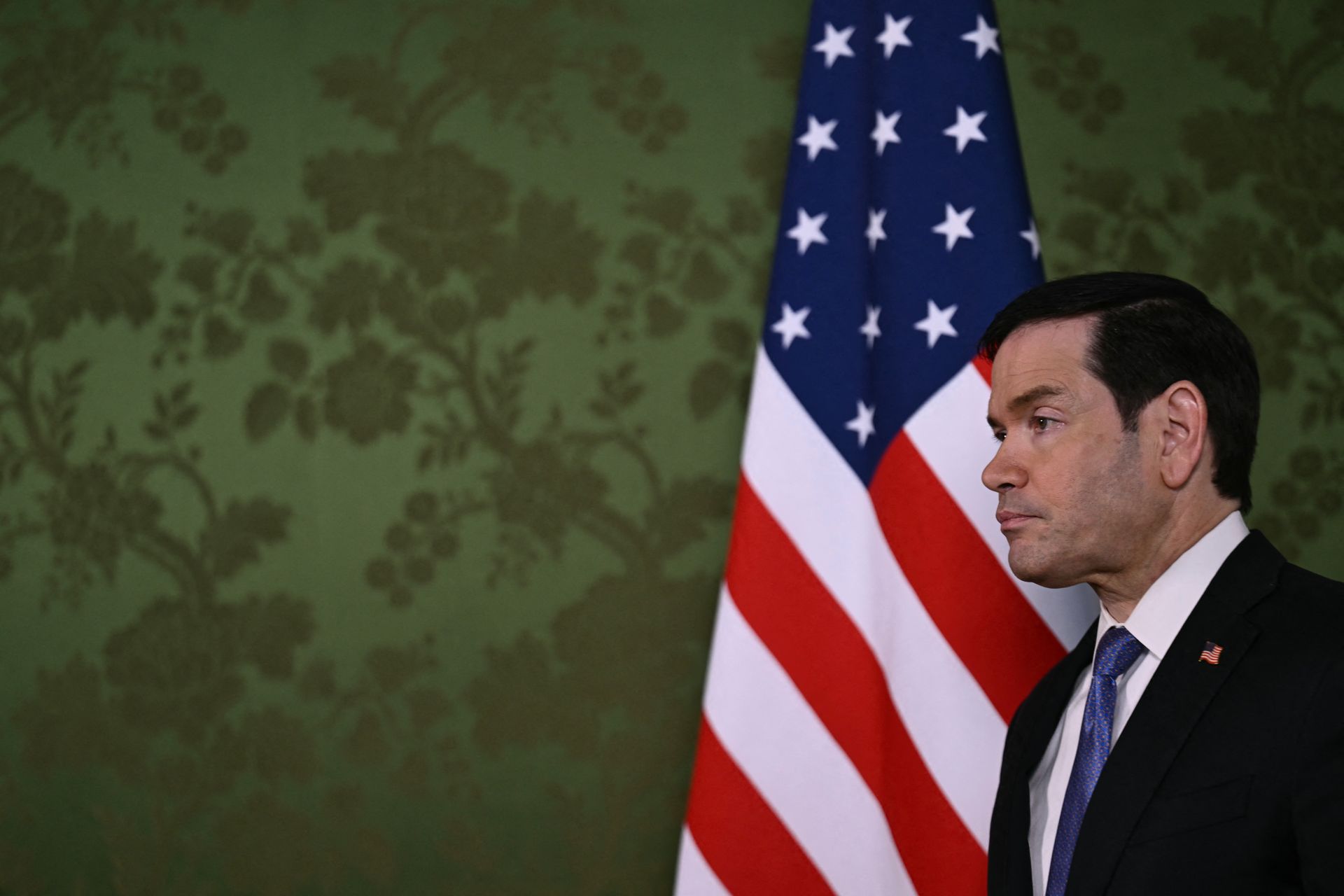
Zelenskyy called the first day of talks "constructive and quite substantive" but said Putin lived in a "different reality" after Russian negotiators claimed Moscow occupied half of the Donbas region. US Secretary of State Marco Rubio described the first day as "very productive" and said Europe should join future negotiations.
Washington called for a "new" security framework on the first day, while Zelenskyy urged European countries to choose a representative for the peace process this month. Russian Foreign Minister Sergei Lavrov rejected any ceasefire without a final settlement, saying Moscow would not accept a truce while the future of the conflict remained unclear.